





What are the 7 steps of dry cleaning?
2026/02/06
Share:

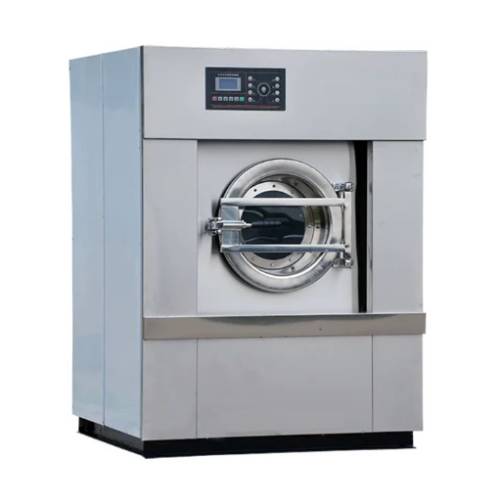
This article examines the overall dry cleaning workflow in detail, explaining every key stage of the process. By understanding how dry cleaning works and the purpose, function, and precautions of each step, readers can gain a comprehensive view of this specialized garment care method.
Why It Is Called “Dry Cleaning”
Before discussing the specific steps involved, it is important to understand the origin of the term “dry cleaning.” Unlike conventional laundering, which relies on water and detergents, dry cleaning uses organic chemical solvents to clean garments. Although these solvents are liquids, the process is called “dry” cleaning because no water is used. Water can cause natural fibers to swell, leading to shrinkage, distortion, or color changes, whereas dry cleaning solvents help avoid these issues and keep the garment’s color and texture more stable.
The core principle of dry cleaning lies in using chemical solvents to dissolve oils and stains rather than emulsifying and rinsing them with water. This gives dry cleaning a clear advantage when handling delicate fabrics. Common dry cleaning solvents include perchloroethylene, hydrocarbon solvents, and liquid carbon dioxide. Perchloroethylene was once widely used, but due to health and environmental concerns, it is increasingly being replaced by safer alternatives.
Detailed Dry Cleaning Process
Dry cleaning may appear to be as simple as placing clothes into a machine for a single cycle, but in reality it consists of a series of closely connected professional steps. A relatively complete process can be summarized as garment intake and inspection, pre-treatment and identification, cleaning, solvent extraction and filtration, drying and solvent removal, post-treatment and shaping, and final inspection and packaging. Each step is explained in detail below.
Garment Intake and Initial Inspection
The first step in dry cleaning is garment intake and preliminary inspection. When a customer brings garments to a dry cleaning service, staff must carefully examine each item:
Confirm garment type and care labels: Check fiber composition and care instructions to determine whether the item is suitable for dry cleaning or has special requirements.
Identify stain types and locations: Determine whether stains are oil-based, food-related, ink-based, or of another nature.
Inspect for damage and accessories: Look for tears, loose seams, missing buttons, or decorative elements that may require protection.
Record customer requests: Note any specific stain removal requests or special handling instructions.
This inspection stage is crucial, as it determines the subsequent treatment strategy. Certain stubborn or unusual stains require targeted pre-treatment, and delicate fabrics may need adjusted cleaning conditions.
Pre-Treatment and Stain Removal
After inspection, the next step is pre-treatment. Pre-treatment refers to localized stain treatment before garments enter the dry cleaning machine and is one of the most critical stages of the entire process:
Identify stain types: Different stains require different treatment agents, such as those for oil, blood, ink, or perspiration.
Select appropriate chemicals: Professional cleaners choose pre-treatment agents based on both the stain and the fabric type to ensure compatibility.
Localized application: Treatment agents are applied and gently worked into the stained area to penetrate deeply.
Protect decorative elements: Buttons, beads, zippers, and embellishments are covered or shielded to prevent chemical damage.
Pre-treatment significantly improves cleaning effectiveness and prevents stains from spreading during machine cleaning, forming the foundation of high-quality dry cleaning results.
Dry Cleaning Machine Cleaning Cycle
Once pre-treatment is complete, garments are placed into a dry cleaning machine. While the machine resembles a large front-loading washing machine, its operating principles differ:
Non-aqueous solvent circulation: The machine injects dry cleaning solvent instead of water. As the drum rotates, the solvent circulates through the garments, dissolving oils and contaminants within the fibers.
Precise control of parameters: Temperature, rotation speed, and cleaning duration are carefully controlled to minimize fabric stress.
Effective solvent-fabric interaction: The solvent penetrates the textile structure, suspending stains within the solvent for removal.
This process is similar in motion to household washing, but dry cleaning machines offer far greater precision and fabric protection.
Solvent Extraction and Filtration
After the cleaning cycle, garments still contain solvent mixed with dissolved contaminants. This mixture must be extracted, filtered, and recycled:
Initial extraction: The machine spins at high speed, using centrifugal force to remove most of the solvent from the garments.
Solvent filtration and regeneration: Extracted solvent passes through filtration systems, such as paper filters and activated carbon filters, to remove impurities before reuse.
Environmentally conscious recycling: Modern dry cleaning systems emphasize solvent recovery and reuse to reduce waste and environmental impact.
This step ensures both cleanliness and sustainability while maintaining consistent cleaning quality.
Drying and Solvent Removal
After washing, any remaining solvent must be completely removed from the garments. This stage is a defining feature of dry cleaning:
Gentle drying: Warm air is circulated inside the machine to evaporate residual solvent. Temperature and time are carefully controlled to prevent fabric damage.
Solvent recovery: Evaporated solvent vapor is condensed and captured for reuse.
Residual control: The process continues until solvent residues are reduced to safe levels, ensuring wearer comfort and safety.
Effective drying is essential to both garment quality and user health.
Post-Treatment and Garment Shaping
Once garments are clean and dry, additional finishing work is required to restore their appearance and texture:
Pressing and shaping: Steam pressing and professional finishing equipment are used to remove wrinkles and restore the original silhouette.
Detail refinement: Areas such as collars, cuffs, hems, and pleats receive focused attention.
Accessory reattachment: Any buttons or decorations removed or protected earlier are restored to their original position.
This stage enhances the garment’s overall appearance and ensures a polished final result.
Final Inspection and Packaging
The last step in dry cleaning is final quality inspection and packaging:
Comprehensive inspection: Each garment is checked to confirm stain removal, proper shaping, and absence of damage.
Reprocessing if needed: Items that do not meet quality standards are reworked.
Packaging and labeling: Finished garments are packaged according to standard procedures and labeled for easy identification and return.
At this point, the dry cleaning process is complete, and garments are ready to be returned to the customer.
Significance and Advantages of Dry Cleaning
Through these systematic and scientifically structured steps, dry cleaning achieves deep cleaning while preserving the original condition of garments. Compared with conventional water washing, dry cleaning offers several advantages:
Better fiber protection: Avoids fiber swelling, shrinkage, and deformation caused by water.
Improved color retention: The absence of water reduces the risk of dye bleeding and fading.
Suitability for delicate fabrics: Particularly effective for wool, silk, and other sensitive materials.
Dry cleaning is far more than simply “washing without water.” It is a high-precision, technology-driven textile care process. From garment inspection and pre-treatment to machine cleaning, solvent recovery, drying, finishing, and final inspection, each step serves a specific professional purpose. Together, these stages ensure high-quality results while preserving fabric structure and appearance.
Understanding this process not only deepens appreciation of dry cleaning as a specialized service but also helps consumers communicate more effectively with cleaning professionals and make informed garment care decisions.
Previous: What are medical grade compression stockings?
N e x t : What is the strength test for fabric?
