





What is the strength test for fabric?
2026/02/06
Share:

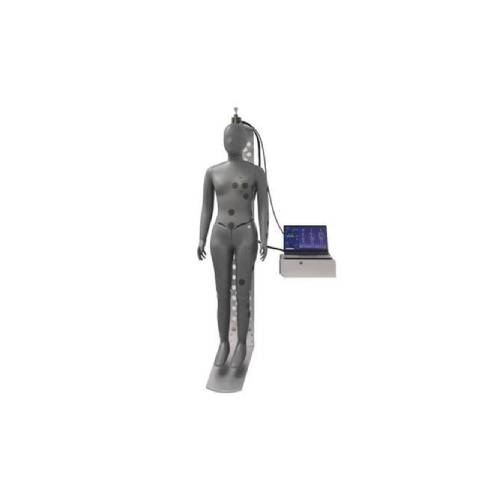
Fabric strength testing is a core component of the textile quality control system. Through a series of standardized physical testing methods, it evaluates the mechanical performance of fabrics under different conditions. These tests not only help manufacturers optimize product design but also enable consumers to understand fabric durability. As such, fabric strength testing is an indispensable part of comprehensive textile performance evaluation.
This article provides a systematic analysis of fabric strength testing, covering its basic concepts, testing objectives, major testing methods, equipment and standards, influencing factors, and practical applications, offering a thorough understanding of this specialized scientific field.
Basic Concept of Fabric Strength Testing
Fabric strength testing refers to the experimental measurement of a textile’s resistance to deformation, rupture, and tearing when subjected to external forces. These mechanical performance indicators are typically expressed in terms of maximum load capacity, elongation at break, and failure mode under specific force conditions. Fabric strength testing includes not only the mechanical properties of the fabric itself but also the performance of seams, stitched areas, and composite structures within finished products.
Strength testing is generally categorized as part of physical performance testing. Together with tests for color fastness, dimensional stability, and abrasion resistance, it forms a comprehensive evaluation system for textile performance.
Why Fabric Strength Testing Is Necessary
The purpose of fabric strength testing goes far beyond meeting industry standards or certification requirements. It plays a critical role in ensuring durability and reliability throughout the product lifecycle. The main objectives include the following aspects:
Product Quality Assurance
Strength testing verifies whether a fabric meets expected durability and resistance to breakage, ensuring that finished products maintain integrity during wear, laundering, and mechanical stress.
Compliance with International and Domestic Standards
Testing enables manufacturers to confirm compliance with international standards such as ISO and ASTM, as well as relevant national standards, facilitating certification and export requirements.
Consumer Safety and User Experience
Insufficient fabric strength may lead to tearing or rupture during normal use, negatively affecting user experience and potentially creating safety risks.
Cost Control and Production Optimization
Strength test data support informed decisions in raw material selection, fabric structure design, and sewing processes, helping reduce rework, minimize waste, and improve production efficiency.
Promotion of Product Innovation
By evaluating the strength performance of different materials, weaving methods, and finishing processes, strength testing provides scientific support for new product development and technological advancement.
Because of these multiple benefits, fabric strength testing has become a fundamental element in textile research, development, and quality supervision.
Core Fabric Strength Test Types
In practical applications, fabric strength testing typically includes multiple test types, each focusing on mechanical behavior under different force conditions.
Tensile Strength Test
The tensile strength test is one of the most fundamental methods for evaluating fabric strength. It measures a fabric’s resistance to breaking under tensile load. In this test, a fabric specimen is clamped into a tensile testing machine and stretched at a constant rate until rupture, allowing measurement of breaking force and elongation at break.
Common tensile testing methods include:
Strip Test: The fabric is cut into strips of specified width, and tensile force is applied across the entire width, providing uniform loading of all yarns and reflecting intrinsic tensile properties.
Grab Test: Only the central portion of the specimen is clamped and stretched, simulating localized stress conditions more representative of actual use.
Test results typically include maximum breaking force and elongation at break, which together reflect fabric toughness and elasticity.
Tear Strength Test
Tear strength testing evaluates a fabric’s resistance to continued tearing once an initial cut or damage exists. Unlike tensile strength, tear strength focuses on the fabric’s ability to prevent small damages from propagating into larger failures.
Common tear test methods include:
Tongue Tear Method: A slit is cut into the specimen, and tensile force is applied to propagate the tear along the slit.
Trapezoid Tear Method: The specimen is cut into a trapezoidal shape and torn using specialized clamps.
Elmendorf Tear Method: A pendulum device rapidly tears the fabric, measuring the force or energy required for tearing.
Tear strength testing is particularly important for evaluating durability against snagging or sharp object contact during use.
Bursting Strength Test
Bursting strength testing assesses a fabric’s resistance to rupture under multidirectional pressure applied perpendicular to the fabric surface. This method is especially suitable for knitted fabrics, nonwoven materials, and composite textiles that experience multi-angle stress.
In this test, the specimen is secured in a bursting tester and subjected to increasing pressure—using air, liquid, or a steel ball—until rupture occurs. Bursting strength is commonly used to evaluate sportswear, infant clothing, and industrial textiles where uniform pressure resistance is critical.
Seam Strength and Auxiliary Strength Tests
In finished textile products, seams are often the weakest points. Seam strength testing measures the resistance of stitched areas to tensile and tearing forces and is essential for assessing overall garment durability.
Additional auxiliary tests may include yarn tensile strength and seam slippage tests, providing a more comprehensive evaluation of fabric and garment performance.
Testing Equipment and Standard Methods
Fabric strength testing relies on specialized equipment and standardized methods to ensure accuracy and repeatability.
Universal Testing Machine
The universal testing machine is a versatile device capable of performing tensile, compression, and bending tests. It is widely used for fabric tensile strength, seam strength, and yarn tensile testing, making it a core instrument in textile strength evaluation.
Specialized Strength Testing Instruments
Different test types require specific equipment, including:
Pendulum Tear Tester: Used for measuring tear resistance through rapid tearing.
Bursting Strength Tester: Designed for bursting strength evaluation.
Grab and Strip Tensile Fixtures: Integrated into universal testing machines or available as standalone units for various tensile test modes.
Testing Standards
Fabric strength testing is typically conducted according to international or national standards, which define specimen preparation, test conditions, and instrument settings. Common standards include tensile strength standards, tear strength standards, and bursting strength standards. These standardized methods ensure data comparability and consistency across laboratories and manufacturers.
Factors Affecting Fabric Strength Test Results
Fabric strength is influenced by multiple factors rather than a single variable:
Fiber Properties
Different fibers exhibit distinct strength and elongation characteristics. Synthetic fibers such as polyester and nylon generally offer higher tensile strength, while natural fibers like cotton may show altered mechanical behavior in wet conditions.
Fabric Structure and Weave
Weave patterns and fabric density significantly affect load-bearing capacity. Tightly woven fabrics typically demonstrate higher tensile and tear strength, whereas looser structures are more prone to deformation.
Finishing Processes
Fabrics that undergo reinforcement, coating, or lamination often display enhanced strength and durability compared to untreated materials.
Environmental Conditions
Temperature, humidity, and exposure to ultraviolet radiation can influence test outcomes. Therefore, strength tests are usually conducted under standardized environmental conditions to minimize external interference.
Importance in Practical Applications
Fabric strength testing plays a vital role across multiple textile sectors:
Fashion and Casual Apparel
For everyday garments, strength testing helps ensure durability during regular wear and repeated laundering, particularly for items such as shirts and denim.
Functional and Professional Clothing
Outdoor apparel, protective clothing, and military equipment must withstand extreme environments and high mechanical loads, making rigorous strength testing essential during product development.
Industrial and Home Textiles
Industrial fabrics such as safety nets, filtration materials, upholstery, and carpets require strength evaluation to prevent failure or premature damage during use.
Certification and Trade Compliance
Strength testing is a key component of export certification and market access requirements. Test data and quality reports directly affect regulatory compliance and brand credibility.
Fabric strength testing is not merely a mechanical experiment but a fundamental means of establishing confidence in textile reliability and durability. From tensile and tear strength to bursting and seam strength, each test provides critical data on fabric behavior under different stress conditions. These scientific insights support product design, material selection, production control, and quality management.
Whether for everyday apparel or specialized functional products, understanding and effectively applying fabric strength testing is essential for improving textile quality and enhancing market competitiveness.
Previous: What are the 7 steps of dry cleaning?
N e x t : What is the drying rate test?
