





What is the purpose of the combustion test?
2026/02/12
Share:

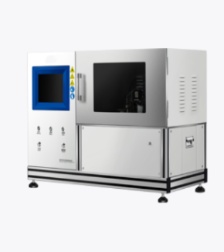
Overview of Combustion Testing
Combustion is the rapid oxidation reaction between a substance and an oxidizer (usually oxygen in the air), releasing large amounts of heat and light energy. This process is typically accompanied by flame formation and the generation of combustion products. Combustion testing refers to the systematic observation and measurement of this process under laboratory or controlled conditions to evaluate the combustion characteristics of materials, the combustion performance of equipment, or the combustion efficiency of fuels. Combustion testing includes, but is not limited to, material flammability testing, calorific value testing, combustion efficiency analysis of equipment, and flue gas composition analysis.
The scope of combustion testing is extremely broad, covering materials science, chemical engineering, energy engineering, fire safety, building safety assessment, and even environmental protection. Regardless of the application, the fundamental objective is to allow this complex chemical reaction to occur in a controlled environment, thereby generating quantifiable data and conclusions that provide a scientific basis for subsequent applications or decision-making.
II. Core Objectives of Combustion Testing
Evaluation of Combustion Performance and Safety of Materials or Products
One of the most traditional and fundamental purposes of combustion testing is to evaluate the burning behavior of materials when exposed to flame or high temperatures. In fields such as building materials, electronic products, textiles, and automotive interiors, it is necessary to determine whether materials are easily ignited, whether flames will spread, how fast they burn, and whether toxic smoke is produced during combustion. Such tests help assess the fire hazard and risk classification of materials, supporting safety certification, quality control, and the development of flame-retardant design standards.
For example, standardized combustion tests for flame-retardant materials can determine whether a material ignites easily, whether it continues to burn after ignition, and whether it generates large amounts of smoke or toxic gases. These indicators are directly related to fire safety. If a material ignites easily and allows rapid flame spread, it may cause severe fire accidents in practical applications. Therefore, strict combustion testing is essential for risk prevention.
This objective is particularly important for building materials. In the event of a fire, the combustion characteristics of construction materials directly affect the rate of fire spread, evacuation time for occupants, and firefighting strategies. Evaluating material combustion performance through testing is therefore fundamental to fire protection design and building safety assessment.
Assessment of Combustion Efficiency and Emission Performance
In addition to evaluating the combustion behavior of materials themselves, combustion testing is widely used to assess the performance of combustion equipment or systems, such as boilers, stoves, engines, and HVAC equipment. The main purpose of such testing is to evaluate combustion efficiency—whether the fuel is fully burned, whether the generated energy is effectively utilized, and whether excessive harmful gases (such as carbon monoxide) are produced during the process.
The level of combustion efficiency directly affects energy utilization efficiency, operating costs, and environmental emission levels. Through combustion testing, the composition of combustion products (such as oxygen, carbon dioxide, and carbon monoxide concentrations) can be analyzed in real time to determine whether combustion is complete and whether equipment requires adjustment or maintenance. This ensures safe operation while achieving low-emission objectives.
This objective has become increasingly significant in the context of energy conservation and environmental regulation. Many countries and regions require periodic combustion testing of building boilers, heating systems, and gas appliances to ensure that combustion efficiency meets regulatory standards and to reduce air pollution.
Measurement of Fuel Energy Value and Heat Release
Combustion is not only a chemical process but also an energy-releasing process. For various fuels, the heat released during combustion—known as the calorific value—is a key indicator of their energy potential and performance. Calorific value testing is used to determine the energy content of fuels.
For example, using a bomb calorimeter to measure the heat of combustion allows determination of the amount of heat released per unit mass of fuel during complete combustion. This data is critical for fuel development, thermal equipment design, and efficiency optimization. By comparing calorific values, different fuels can be evaluated in terms of energy content, guiding fuel optimization and substitution strategies while improving overall energy utilization efficiency.
For petroleum, coal, biomass energy, and other fuels, calorific value data are indispensable for ensuring that fuels meet specific application requirements, improving thermal engine efficiency, and minimizing energy losses.
Support for Product Classification and Regulatory Compliance
Combustion testing is also frequently used to provide a basis for product classification and regulatory compliance. In hazardous materials management, chemicals or materials must be classified according to their combustion characteristics as flammable, combustible, or non-flammable, which directly affects transportation, labeling, storage, and usage requirements.
Test data from combustion testing enable materials or products to be categorized according to specific standards, providing a scientific foundation for hazardous goods classification. Such classification not only influences market access but is also closely related to public safety policies.
In certain industries such as aviation and automotive manufacturing, mandatory combustion tests are required to ensure compliance with safety standards. Some standards specify measurement of ignition time, flame spread rate, and smoke density as critical indicators of material safety performance.
Reduction of Environmental Impact and Health Risk Assessment
Modern combustion testing also considers environmental and health factors. Incomplete combustion often produces harmful gases such as carbon monoxide and volatile organic compounds. These emissions not only reduce energy efficiency but also pose threats to air quality and human health.
Through combustion testing, it is possible to assess not only combustion efficiency but also whether combustion products contain pollutants exceeding regulatory limits or gases harmful to health. This supports the development of environmental regulations, emission standards, and cleaner combustion technologies.
Environmental testing agencies and energy authorities often rely on combustion testing to evaluate whether equipment or fuels meet environmental requirements and to implement necessary control measures to protect air quality and public health.
Important Applications of Combustion Testing in Different Fields
Evaluation of Combustion Behavior in Materials Science
In materials science, testing the combustion behavior of plastics, rubber, composites, textiles, and other materials is an essential step. For example, horizontal and vertical burning tests can assess burning rates and flame spread characteristics under simulated fire conditions. These data guide material improvement, flame-retardant treatment design, and safety classification certification.
Material combustion testing not only evaluates ignition processes but also measures indicators such as smoke density and afterflame time, providing comprehensive combustion behavior data to support product design and improvement.
Optimization of Combustion Equipment and System Performance
In energy systems, boilers, and HVAC equipment maintenance and commissioning, combustion testing is used to determine whether combustion processes are operating optimally. By analyzing flue gas composition, thermal efficiency, and combustion residues, adjustments can be made to burners and air supply systems to improve overall efficiency and safety.
For example, during combustion testing of gas furnaces or boiler systems, combustion analyzers provide real-time flue gas data to determine whether the fuel-air mixture ratio is appropriate and whether incomplete combustion is occurring. Such testing not only ensures safe operation but also extends equipment lifespan and reduces energy waste.
Safety Certification and Regulatory Enforcement
In industries such as construction materials and consumer products, there are clear safety standards and regulatory requirements for combustion characteristics. Combustion test results are often a key factor in determining whether products can obtain safety certification. Some standards require that samples must not continue burning after a specified period or that burning rates must remain within defined limits; otherwise, the material cannot be classified as safe.
Through rigorous combustion testing, regulatory authorities can confirm that products will not pose excessive fire risks under practical usage conditions, thereby enforcing relevant laws and standards.
Experimental Procedures and Data Evaluation in Combustion Testing
Combustion tests are generally conducted under controlled conditions to ensure comparability and repeatability of results. Common procedures include:
Sample preparation and conditioning: Ensuring that sample size, moisture content, and other parameters meet specified test conditions.
Preparation of combustion apparatus: Calibrating equipment according to standard requirements to ensure stable testing conditions.
Ignition and data collection: Igniting the sample using a flame or heat source and recording temperature, gas composition, flame spread rate, and other parameters using sensors and instruments.
Data analysis and evaluation: Analyzing key indicators defined by standards, such as burning rate, smoke generation, and calorific value, and issuing a test report.
Strict adherence to standardized operating procedures throughout the testing process is essential to ensure the comparability and reliability of results.
Practical Significance of Combustion Testing
Combustion testing has significant practical importance:
Enhancing public safety: By evaluating fire risks of materials and implementing control strategies to reduce fire incidents.
Improving energy efficiency and environmental protection: By guiding equipment optimization and emission reduction through combustion efficiency testing.
Promoting product compliance: By providing a basis for safety certification to ensure products meet industry requirements.
Advancing technological progress: By supporting the development of new energy-saving fuels and environmentally friendly combustion technologies.
Combustion testing is not merely a laboratory technique; it is a vital tool for ensuring safety, promoting energy conservation and environmental protection, and driving technological innovation. Through scientific evaluation of combustion processes, it is possible to comprehensively understand how materials or equipment behave under flame or high-temperature conditions, providing solid data support for safety assessment, efficiency optimization, and regulatory compliance. In an era characterized by energy transition and increasingly stringent safety regulations, the importance of combustion testing will only continue to grow.
Previous: What is Spontaneously Igniting Solids Tester?
N e x t : What is Flammability Tester for Aerosol Foams?
