





What is a Gas Hazardous Characteristics Tester?
2026/02/13
Share:

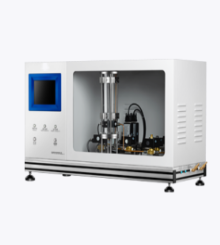
The purpose of hazardous property testing is to objectively evaluate the potential accident risks that gaseous substances may pose during normal production, storage, and transportation, and to classify their hazards according to standard methods so that safety management, emergency response, and regulatory compliance can be properly implemented.
Basic Concepts of Gas Hazards
In internationally recognized hazardous substance classification systems, hazardous substances are defined as materials with explosive, flammable, oxidizing, toxic, infectious, corrosive, radioactive, or other dangerous properties that may cause personal injury, property damage, or environmental pollution. As a physical state, gases may also possess one or more of these hazardous characteristics. The identification of such properties is an essential component of physical hazard testing systems.
From a safety assessment perspective, gas hazards generally include the following categories:
Flammability: The ability of a gas to form a combustible mixture with air under certain conditions and ignite.
Explosiveness: The capacity of a gas–air mixture to rapidly release energy after ignition.
Toxicity and Irritation: The potential of a gas to cause harm to human health.
Oxidizing or High Reactivity: Certain gases can accelerate the combustion of other materials or undergo violent reactions.
The identification of these hazardous characteristics must be conducted under controlled conditions using standardized testing methods.
Significance of Gas Hazardous Property Testing
Testing the hazardous properties of gases is not only a tool for scientific research and chemical engineering design, but also an essential basis for ensuring production and transportation safety.
Development of Safety Operating Procedures: Accurate hazard data can guide ventilation design, explosion prevention measures, and leak response strategies in production processes.
Classification and Transportation of Dangerous Goods: Standardized test data are used to classify dangerous goods appropriately, ensuring proper risk grading and packaging requirements during transportation.
Fire Protection and Emergency Design: Hazard data help evaluate combustion and explosion risks under different conditions, providing quantitative support for protective design.
Regulatory Compliance and Risk Assessment: Scientific testing of hazardous properties ensures compliance with national regulations and international standards, and supports risk analysis and hazard identification.
For example, flammability data are often used to limit the maximum safe operating temperature of equipment and to determine the appropriate types of electrical equipment in hazardous locations.
Standards and Methods for Gas Hazardous Property Testing
Gas hazardous property testing involves multiple international and domestic standards, covering flammability, explosion limits, and combustion characteristics. Typical test parameters include:
Flammability Limits Testing
Lower Flammable Limit (LFL or LEL): The lowest volume percentage of a gas in air that can form a combustible mixture.
Upper Flammable Limit (UFL or UEL): The highest volume percentage at which a combustible mixture can still form.
These two parameters define the concentration range within which a gas can form a flammable mixture in air.
Auto-ignition Temperature
The auto-ignition temperature is the minimum temperature at which a gas will ignite spontaneously without an external ignition source. This parameter is critical for assessing the risk of self-ignition under high-temperature conditions.
Minimum Ignition Energy (MIE) and Maximum Experimental Safe Gap (MESG)
These parameters describe the minimum energy required to sustain combustion in a gas mixture and are crucial for explosion-proof design of electrical equipment.
Limiting Oxygen Concentration (LOC)
For certain gases or vapors, combustion limits under varying oxygen concentrations must be determined to manage risks in inerted environments or when controlling oxygen levels.
Such tests are typically conducted using specialized standard test equipment to ensure repeatable results and compliance with internationally recognized standards.
Introduction to Gas Hazardous Property Testing Instruments
A gas hazardous property testing instrument is a specialized laboratory device used to determine which hazardous characteristics a gas or gas mixture possesses and to quantify relevant parameters. Common test items include:
Measurement of flammable concentration ranges
Determination of combustion rates and flammability limits
Evaluation of the effects of temperature and pressure on hazardous characteristics
For example, certain gas hazard testing instruments are specifically designed to measure the combustion behavior of flammable gas–air mixtures at different concentrations. These systems automatically control the mixing ratio of gas and air and use photoelectric or thermocouple sensors to detect combustion signals in real time, outputting combustion rates and limit values.
Such instruments typically feature automated control systems, including:
High-precision flow control systems for accurate gas–air mixing;
Highly sensitive sensors within the reaction chamber to detect instantaneous flash or explosion phenomena;
Integrated data acquisition and processing systems that generate real-time visual results;
Protective glass and safety measures to safeguard operators from high-pressure and combustion risks.
Core Principles of Gas Hazardous Property Testing Instruments
The core principle of these instruments is based on the conditions required for physical and chemical reactions. By precisely controlling the composition of gas mixtures, the instrument simulates real hazardous combustion or explosion scenarios and quantitatively analyzes the results.
Gas Mixing and Control
To accurately measure hazardous characteristics, the instrument must precisely regulate the ratio of the test gas to air. This is typically achieved using dual-channel digital flow meters, ensuring accurate proportioning. High-speed stirring mechanisms ensure homogeneous mixing.
Photoelectric and Temperature Sensing
During combustion or flash events in the reaction tube, changes in light intensity and temperature occur. High-resolution photoelectric sensors and thermocouples detect these changes in real time and convert them into electronic signals for analysis.
Automatic Determination of Combustion Status
Embedded processors or microcontrollers analyze sensor signals to automatically determine whether the gas mixture has reached a flammable state and calculate parameters such as combustion rate and flammability limits. This automated process reduces the need for manual intervention and enhances both accuracy and safety.
Applications of Gas Hazardous Property Testing
Gas hazardous property testing instruments are widely used across various industries:
Chemical Production and Hazardous Materials Management
In chemical manufacturing, the presence of large quantities of flammable gases makes hazard testing a foundation of safety management. Test data are used to define explosion-proof zones, develop emergency response plans, and establish safe process parameters.
Dangerous Goods Transportation and Packaging
The classification and transport requirements of hazardous materials depend on quantified hazard indicators. Gas hazard testing provides the data necessary for accurate classification.
Safety Engineering Design
Parameters such as flammability limits and ignition energy are critical for designing explosion-proof electrical facilities, ventilation systems, and personnel safety training programs.
Hazardous Environment Monitoring and Assessment
Test results are also applied to assess environmental hazards in storage areas, tank farms, and laboratories, supporting the design of monitoring systems, alarm strategies, and protective levels.
Application of Test Data in Safety Management
Gas hazardous property test data are not merely laboratory information; they are essential for safety decision-making:
Establishing workplace safety standards, including acceptable concentration levels and alarm thresholds;
Dividing explosion-hazard zones according to different hazard levels and specifying appropriate equipment grades;
Developing accident prevention measures by evaluating combustion limits and ignition conditions;
Ensuring compliance with laws and regulations, as hazardous property testing is often a regulatory prerequisite.
Gas hazardous property testing is a critical component of risk identification and safety management. Testing instruments and standardized methods play a vital role in understanding, quantifying, and controlling gas hazards. Through standardized testing procedures and automated equipment, key parameters such as flammability limits, combustion behavior, and ignition conditions can be accurately determined, supporting safe production, dangerous goods transportation, accident prevention, and regulatory compliance. As industrial safety requirements continue to increase, the development and application of gas hazardous property testing instruments will become more widespread and precise, providing strong support for building safer production and living environments.
Previous: What is Flammability Tester for Aerosol Foams?
N e x t : How does auto-ignition temperature compare to the flash point of fluids?
