





What is a Textile Fabric Steam Shrinkage Tester?
2026/04/22
Share:

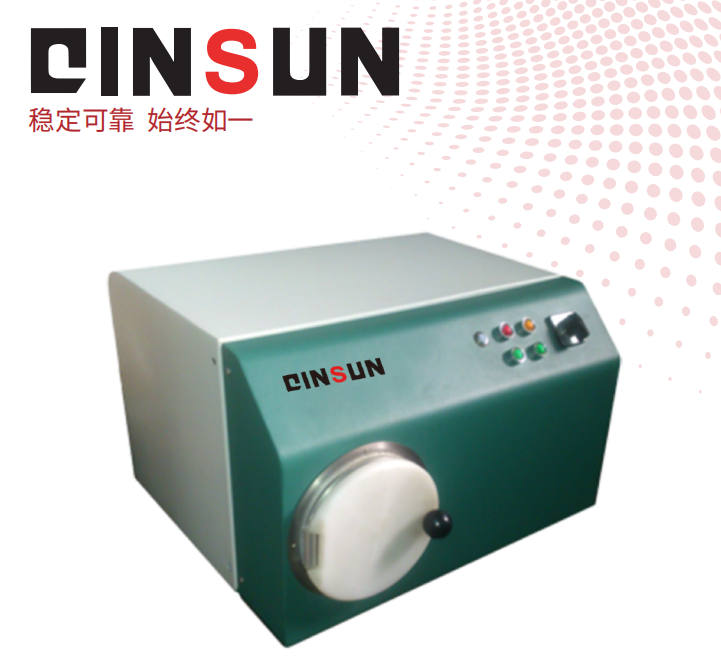
Functions and Applications of the Textile Fabric Steam Shrinkage Tester
The Textile Fabric Steam Shrinkage Tester is a specialized testing device designed to evaluate the dimensional stability of textiles under steam conditions. Its core function is to simulate the state of fabrics during steam ironing or in humid heat environments, and to determine their steam shrinkage rate.
Main Functions
Steam Environment Simulation:
Equipped with a built-in steam generator, the device applies saturated steam to fabric specimens in a sealed chamber under tension-free conditions, accurately simulating real-life humid heat environments.
Automatic Timing Control:
A timer is integrated to precisely control the duration of steam exposure, ensuring the repeatability and consistency of test results.
Direct Shrinkage Reading:
Some models (such as YG742) are equipped with a 250 mm reference marking scale, allowing users to directly read the shrinkage percentage after testing without additional measurement.
Simultaneous Multi-Sample Testing:
Certain devices support testing up to four samples at the same time, significantly improving testing efficiency.
Compliance with International Standards:
Designed in accordance with standards such as ISO 6330. GB/T 8629. and AATCC 150. ensuring that test results are reliable, comparable, and internationally recognized.
Main Applications
Quality Control:
Widely used by textile mills and garment manufacturers to assess the dimensional stability of fabrics—especially shrinkage-prone materials such as cotton, wool, linen, and blended fabrics—before shipment.
Research & Development and Compliance Verification:
Assists R&D departments in optimizing fabric structures and finishing processes, ensuring products meet domestic and international trade standards.
Third-Party Testing:
Applied in quality inspection agencies and commercial laboratories to issue legally valid shrinkage test reports.
Distinction Between Steam and Wash Shrinkage:
Unlike fully automatic shrinkage testers that simulate washing processes, this equipment specifically evaluates shrinkage caused solely by steam. It is particularly suitable for assessing fabric performance after ironing, dry cleaning, or steam setting processes.
Applicable Standards for the Textile Fabric Steam Shrinkage Tester
The Textile Fabric Steam Shrinkage Tester is primarily used to determine the dimensional change rate of fabrics after steam treatment. It is suitable for evaluating the dimensional stability of textiles under conditions such as ironing and steam processing. The main applicable standards for this type of equipment are as follows:
ISO 3005:
A standard method for determining the dimensional changes of fabrics caused by relaxation under steam treatment. This standard is applicable to woven fabrics, but not to dimensional changes resulting from inherent shrinkage or ironing.
BS 4323:
A British Standard that specifies methods for measuring dimensional changes in fabrics caused by free steam treatment. Its content is largely similar to ISO 3005.
NEXT TM 15:
A proprietary test method (likely part of NEXT’s internal quality control procedures) used to evaluate abrasion resistance or specific performance characteristics of textiles.
M&S P8:
An internal standard of Marks & Spencer (M&S), focusing on safety or performance requirements of textiles. This standard may involve criteria such as flame resistance or color fastness.
IWTO 29-76:
A standard issued by the International Wool Textile Organisation, which specifies methods for measuring dimensional changes in wool-containing fabrics after steam treatment.
Testing Principle of the Textile Fabric Steam Shrinkage Tester
The Textile Fabric Steam Shrinkage Tester is used to measure the degree of shrinkage of fabrics after exposure to heat. It is mainly applied to evaluate the dimensional stability of textiles under specific conditions such as washing, drying, or heating. The following provides a detailed introduction to its testing principle, operation method, and significance.
Testing Principle
Sample Preparation:
Representative fabric specimens are selected and cut to specified dimensions according to relevant standards. Before testing, the samples must be conditioned to ensure they are free from initial tension or distortion.
Pre-treatment:
Prior to testing, the fabric samples may undergo pre-treatment processes such as washing and drying to simulate actual usage conditions.
Heating Treatment:
The samples are placed into the heating chamber of the steam shrinkage tester. Steam or hot water is applied to heat the fabric, simulating the thermal exposure encountered during normal use. The heating temperature and duration are set according to the fabric type and intended application, typically following industry standards or manufacturer recommendations.
Cooling and Measurement:
After heating, the samples are rapidly cooled to room temperature to replicate real-life temperature changes. The dimensional changes before and after heating are then measured to determine shrinkage.
Shrinkage Calculation:
The shrinkage rate is calculated using the following formula:
\text{Shrinkage Rate} = \frac{L_0 - L_1}{L_0} \times 100%
Where:
(L_0) = Initial length
(L_1) = Length after heating
Operation Method
Equipment Preparation:
Ensure that the steam shrinkage tester is in proper working condition, with accurate heating and measurement systems.
Sample Placement:
Fix the pre-treated fabric samples correctly onto the test fixtures, ensuring they are flat and free from tension.
Parameter Setting:
Set appropriate heating temperature and duration based on the fabric characteristics and application requirements.
Test Execution:
Start the heating program and monitor temperature and time in real time. After heating, cool the samples promptly and measure dimensional changes.
Result Recording:
Record and analyze the shrinkage data to evaluate the dimensional stability of the fabric.
Importance
Quality Control:
Helps manufacturers ensure products meet quality standards, especially for items requiring dimensional stability such as garments and bedding.
R&D Applications:
During product development, testing shrinkage rates of different materials enables optimization of product design, improving usability and comfort.
Regulatory Compliance:
Textile and apparel industries are subject to regulations requiring that products do not undergo excessive dimensional changes during use. This test assists companies in meeting such compliance requirements.
By using the Textile Fabric Steam Shrinkage Tester, manufacturers and researchers can obtain critical data on fabric performance, enabling more informed decisions in product design and material selection.
Maintenance Recommendations for the Textile Fabric Steam Shrinkage Tester
To ensure proper upkeep and extend the service life of the Textile Fabric Steam Shrinkage Tester, the following maintenance recommendations are advised:
Steam System Cleaning:
After each use, condensed water should be drained promptly, and steam nozzles or spray devices should be cleaned to prevent clogging caused by scale buildup or fiber residues. Some advanced equipment is equipped with automatic cleaning functions; for example, Monfortex 8000 features automatic grinding and dust removal mechanisms.
Inspection of Seals and Pipelines:
Regularly check steam pipelines, valves, and sealing rings for aging, wear, or leakage. This ensures stable steam pressure and reliable system performance.
Calibration and Standardization:
Follow the manufacturer’s recommended calibration cycle (e.g., every 5.000 operating hours or annually). Calibration typically includes temperature, timing, and dimensional measurement systems. Some models support automatic calibration settings for improved accuracy and convenience.
Lubrication of Moving Parts:
Mechanical components such as motors, guide rails, and clamping devices should be lubricated regularly with appropriate industrial lubricants to reduce wear and ensure smooth operation.
Maintaining a Clean and Dry Environment:
The equipment should be installed in a well-ventilated environment with moderate humidity. Excess moisture should be avoided to prevent corrosion of electrical components.
Operational Data Logging:
It is recommended to maintain a detailed equipment log, recording operating hours, fault events, and maintenance actions. This helps track performance trends and supports predictive maintenance planning.
Importance of the Textile Fabric Steam Shrinkage Tester
The importance of the Textile Fabric Steam Shrinkage Tester is reflected in the following key aspects:
Evaluation of Dimensional Stability Under Steam Processing:
Textile products such as garments and home textiles often undergo finishing processes or daily use conditions involving ironing, steam setting, and other heat-moisture treatments. This tester simulates real-world scenarios to accurately measure fabric shrinkage behavior under humid heat conditions, helping to prevent deformation of finished products.
Ensuring Product Quality and Consumer Experience:
Through standardized testing, fabrics that are prone to shrinkage can be identified in advance. This reduces issues such as returns and customer complaints caused by dimensional changes after washing or ironing, thereby improving product durability and wearer satisfaction.
Supporting Process Optimization in Manufacturing:
Test results provide valuable data for textile manufacturers to adjust pre-shrinking, setting, and other finishing processes. This helps reduce production losses and improve yield rates.
Meeting International Standards and Market Access Requirements:
Many export orders and retail brands require third-party shrinkage test reports. Using professional steam shrinkage testing equipment is an essential method to comply with international standards such as ISO and AATCC.
Differentiation of Shrinkage Mechanisms:
The device can effectively distinguish between relaxation shrinkage and felting shrinkage, providing scientific data for targeted process improvements.
In summary, the Textile Fabric Steam Shrinkage Tester is a critical instrument in textile quality control and research. It precisely simulates the effect of steam environments on fabrics, enabling accurate evaluation of dimensional stability and shrinkage performance under specific processing conditions. This plays an irreplaceable role in ensuring product quality and optimizing manufacturing processes.We sincerely welcome industry professionals, researchers, and interested readers to leave comments or inquiries at any time. Feel free to contact us for more detailed technical information, application cases, and customized solutions, and explore how this high-precision equipment can support your quality improvement and innovation development.
Previous: FAQs About Blow-By Test Rig
N e x t : What is a Cargo Compartment Liner Burn-Through Fuel Test System?
