





What is the down proof test method?
2026/05/08
Share:

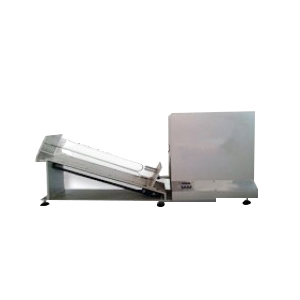
Functions and Applications of the Fabric Down-Proof Impact Tester
The Fabric Down-Proof Impact Tester is a specialized device used to evaluate the down-proof performance of fabrics. Its core function is to simulate mechanical actions such as impact, friction, and compression that occur in real usage conditions, in order to determine whether down or feathers inside a filled textile will escape through the fabric (commonly known as “down leakage” or “down penetration”).
Core Functions
Simulating real-life usage conditions:
The tester applies periodic impacts to fabric samples filled with down by allowing hard rubber balls inside a rotating drum to fall from a certain height. This process simulates compression, collision, and rubbing experienced by garments or bedding during daily use.
Quantitative evaluation of down-proof performance:
After a specified number of rotations, the number of down or feathers escaping from the fabric is counted. This value is used as an indicator to evaluate the fabric’s down-proof effectiveness.
Compliance with standards:
The test is conducted in accordance with relevant standards such as GB/T “Test Method for Down-Proof Performance of Textiles,” ensuring that results are consistent, comparable, and compliant with industry requirements.
Applications
Product quality control:
Widely used by manufacturers of down jackets, down quilts, sleeping bags, and other filled textile products to inspect down-proof performance before products leave the factory.
Research and material development:
Assists in developing new down-proof fabrics or optimizing fabric structures to improve comfort, durability, and performance.
Market access and certification:
Helps products meet mandatory or recommended quality standards required in domestic and international markets, including China, the EU, and the United States.
Industries Applicable to the Fabric Down-Proof Impact Tester
The Fabric Down-Proof Impact Tester is primarily used to evaluate the ability of down-filled textile fabrics to resist feather or fiber leakage during simulated usage conditions. By applying impact and friction through rubber balls inside a rotating drum, the device simulates real-life stresses such as compression and rubbing, enabling quantitative assessment of down-proof performance.
The industries where this equipment is widely applied include:
Down apparel and thermal clothing manufacturing industry:
Used to test the down-proof performance of fabrics in products such as down jackets, down comforters, and down pillows, ensuring product quality and consumer comfort.
Outdoor sports equipment industry:
Applied to high-performance garments such as mountaineering jackets, ski wear, and expedition gear, which require excellent down retention under harsh environmental conditions.
Home textile and household goods industry:
Used for quality control of filled home products such as down mattresses, cushions, and upholstered bedding items.
Textile testing and certification institutions:
Serves as a standard testing instrument in third-party laboratories for compliance testing according to national and international standards.
Down material and fabric manufacturers:
Used during R&D and quality control processes to optimize fabric structures and finishing techniques, improving down-proof performance at the production stage.
Technical Features of the Fabric Down-Proof Impact Tester
The Fabric Down-Proof Impact Tester is a specialized instrument designed to evaluate the down or feather leakage resistance of filled textile fabrics. Its core principle is to simulate mechanical actions such as impact and rubbing experienced during real-world use, thereby assessing the degree to which down or feathers penetrate through the fabric.
The main technical features of this equipment are as follows:
Impact simulation mechanism:
The device adopts a pinned bar and pinned plate structure. Cylindrical specimens filled with down are placed on an inclined track and subjected to reciprocating motion. Repeated compression and rebound simulate real-life impact and friction conditions.
Variable compression zone:
Because the travel distance of the pinned plate is either greater or smaller than the specimen’s circumference, each impact acts on different areas of the sample. This prevents localized over-wear and improves test uniformity and representativeness.
Quantitative penetration counting:
After testing, the number of down or feathers that have penetrated from the interior of the specimen to the exterior is counted manually or automatically. This serves as the key index for evaluating the fabric’s down-proof performance.
Compliance with international standards:
The equipment is designed in accordance with BS EN standards, ensuring test consistency, repeatability, and international comparability.
Automation and repeatability:
Some models allow preset impact cycles and can perform continuous automated testing, reducing human error and improving efficiency and repeatability.
Durable structural materials:
The main body is typically made of corrosion-resistant materials such as 316 stainless steel, ensuring long-term stability and safe operation.
Visual observation window:
Equipped with a transparent polyacrylonitrile safety cover, allowing operators to monitor the testing process in real time.
Working Principle of the Fabric Down-Proof Impact Tester
The Fabric Down-Proof Impact Tester operates based on simulating the compression, friction, and impact forces experienced by down-filled products during actual use, in order to evaluate the fabric’s resistance to down or feather penetration.
Rotational impact simulation:
The instrument is equipped with a forward and reverse rotating chamber, typically made of acrylic material. Inside the chamber are hard rubber balls (such as butyl rubber balls with a hardness of 45±10 and a weight of 140±5 g) along with fabric specimens formed into bags and filled with a specified amount of down.
Impact process:
The rotating chamber operates at a speed of approximately 45 r/min in alternating forward and reverse directions. Under centrifugal force, the rubber balls repeatedly fall from a certain height, continuously impacting the inner surface of the fabric. This process simulates the pressure and abrasion exerted on the fabric by down during wearing or usage.
Performance evaluation:
After testing, the number of down or feathers that have penetrated from the inside to the outside of the fabric is counted. The fewer the particles observed, the better the down-proof performance of the fabric.
Operating Procedure of the Fabric Down-Proof Impact Tester
Step-by-step operation
1. Specimen preparation
The fabric sample is made into a sealed bag (typically 30 cm × 30 cm, or as specified by relevant standards).
A specified amount of clean down or feathers (e.g., 500 g) is filled into the bag.
2. Equipment preparation
Ensure the tester is placed on a stable and level surface.
Confirm the power supply is properly connected (AC 220 V ± 10%, 50 Hz).
Check that the inside of the rotating drum is clean and free from residual down or foreign materials.
Place 10 rubber balls into the drum (approximately 50 mm in diameter, hardness 45±10. weight 140±5 g, made of butyl rubber).
3. Loading the specimen
Place the prepared down-filled specimen bag into the rotating drum.
Close the safety protective cover (typically transparent acrylic to ensure both safety and visibility during operation).
4. Parameter setting
Set the number of rotations (typically 1000–9999 cycles, depending on standards or customer requirements).
Set the rotation speed to 45 r/min with alternating forward and reverse rotation.
Ensure the LED counter is reset or preset to the target value.
5. Start testing
Start the motor; the drum rotates alternately in forward and reverse directions at 45 r/min.
Rubber balls are lifted by rotation and then freely fall from a certain height, repeatedly impacting, compressing, and rubbing the specimen.
This simulates mechanical stresses experienced during real usage.
6. Completion and evaluation
Once the preset number of cycles is reached, the machine stops automatically and triggers an alarm.
Remove the specimen and open the bag.
Under standard lighting conditions (e.g., north-facing natural light or 400–700 lux artificial light), inspect for any down or feathers that have escaped.
Record the number of escaped down/feathers as the evaluation index of down-proof performance: the fewer the particles, the better the performance.
Importance of the Fabric Down-Proof Impact Tester
The Fabric Down-Proof Impact Tester plays a critical role in quality control of down-filled products such as down jackets and down comforters, as well as in ensuring consumer comfort and product reliability. Its importance is reflected in the following aspects:
1. Simulating real usage conditions to evaluate down-proof performance
The tester uses rubber balls inside a rotating drum to repeatedly impact and rub fabric specimens filled with down, simulating compression and friction experienced during wearing, washing, and handling. By counting the number of down feathers that penetrate the fabric per unit area, the device provides a quantitative assessment of down-proof performance—an indicator that cannot be accurately judged by visual inspection or tactile evaluation alone.
2. Ensuring compliance with national standards and improving market conformity
The equipment is used in accordance with the national standard GB/T (Test Method for Down-Proof Performance of Textiles). Testing with this device is a necessary step for ensuring products meet mandatory or recommended quality requirements before entering the market, helping manufacturers avoid recalls or legal risks caused by quality issues.
3. Guiding material development and process optimization
By comparing the performance of different fabrics, structures, and finishing processes under impact testing, manufacturers can identify more effective down-proof materials such as high-density fabrics or coated textiles. This helps optimize material selection for products like down jacket linings and reduces feather leakage problems.
4. Enhancing consumer trust and brand reputation
Poor down-proof performance can lead to feather leakage, affecting appearance, warmth retention, and user experience. Strict quality control using this equipment significantly reduces after-sales complaints and improves consumer trust and satisfaction, thereby strengthening brand reputation.
5. Supporting supply chain quality management
Across the production chain—from fabric suppliers to garment manufacturers—the tester can be used for incoming inspection and process control. This ensures consistent material performance at every stage and enables full-chain quality management.
The Fabric Down-Proof Impact Tester is not only a basic quality inspection instrument but also a key component in the down textile industry. It ensures product integrity, compliance with standards, and competitive advantage in the market. By providing accurate and reliable testing data, it supports product durability, safety, and performance, playing an irreplaceable role in improving customer satisfaction and maintaining brand credibility.
Previous: What is the Comprehensive Engine Oil Filter Test Bench?
N e x t : What is a shoe tester?
