





Why is the Anti-glare Panel Falling Weight Tester important?
2026/05/13
Share:

In today’s electronics industry, glass materials have long surpassed the basic function of “protection.” From smartphones and tablets to automotive display systems and high-end home appliances, the visual experience and tactile feel of glass panels have become key factors influencing user perception. In particular, anti-glare glass, with its advantages such as anti-reflection, anti-fingerprint, and anti-glare performance, is increasingly favored by manufacturers.Against this backdrop, the Anti-glare Panel Falling Weight Tester is introduced. It is a specialized mechanical testing device designed to evaluate the impact resistance of anti-glare panels and belongs to the category of falling weight impact testers. This article will provide a comprehensive overview of the equipment from multiple perspectives, offering valuable reference information for readers.
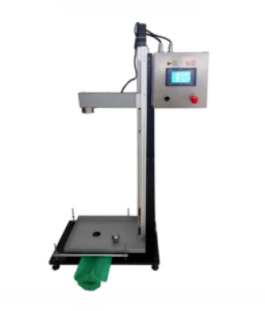
Technical Features of the Anti-glare Panel Falling Weight Tester
Core Technical Features
Simulation of real impact conditions:
A standard-weight impact hammer is freely dropped from a specified height to simulate mechanical impacts that may occur in real-world use (such as tool drops or hard object collisions), enabling evaluation of the anti-glare panel’s impact resistance.
Compatibility with AG surface structures:
The impact head is designed to accommodate the micro-rough surface of AG panels, preventing abnormal stress concentration caused by surface texture and ensuring that test results accurately reflect true impact resistance performance.
Adjustable impact parameters:
Supports adjustable impactor mass (e.g., 500 g, 1 kg, etc.) and drop height (e.g., 10 cm–100 cm), meeting the requirements of different product standards and application scenarios.
Integrated optical and mechanical evaluation:
After impact, the system can simultaneously assess changes in light transmittance, haze increase, coating peeling, or “sparkle” effects, providing a comprehensive evaluation of optical performance degradation.
Compliance with international testing standards:
Designed in reference to standards such as IEC 60068-2-5 (Environmental testing – Light exposure testing) and ASTM coating impact resistance standards, ensuring comparability of results across the industry.
Safety protection and automation control:
Equipped with a transparent safety shield, electromagnetic release mechanism, and data acquisition system to ensure operator safety and improve testing repeatability.
Industries of Application for the Anti-glare Panel Falling Weight Tester
The Anti-glare Panel Falling Weight Tester is a specialized device used to evaluate the impact resistance and breakage performance of anti-glare panels. Its applications are mainly concentrated in industries that require high standards of optical clarity, safety, and durability.
Applicable Industries
Consumer Electronics Manufacturing:
Used to test the impact resistance of protective glass for smartphones, tablets, smartwatches, and other devices, ensuring that the anti-glare coating remains intact under drops or impacts.
Industrial Control and Instrumentation:
Industrial control panels and CNC machine displays must maintain visibility and structural integrity in harsh environments, and falling weight testing is used to verify their reliability.
Automotive Industry:
Applied to automotive instrument clusters and center control displays, which must meet both anti-glare and impact-resistance requirements, especially under strong light exposure and vibration conditions.
Medical Equipment:
Touchscreens in portable medical devices require both anti-glare performance and high impact resistance to ensure safe operation in hospital or mobile environments.
Transportation and Outdoor Facilities:
Used for highway anti-glare panels, outdoor advertising screens, and similar installations that must withstand wind loads, temperature variations, and accidental impacts; the test evaluates structural stability.
Construction and Home Applications:
Anti-glare glass used in shower enclosures, partitions, and furniture must comply with safety glass standards, where falling weight testing is an essential quality control procedure.
This tester is typically designed in accordance with international standards such as IEC and GB/T, enabling quantitative evaluation of material impact resistance under specified drop heights and weights, ensuring safety and reliability in real-world applications.
Functions and Applications of the Anti-glare Panel Falling Weight Tester
The Anti-glare Panel Falling Weight Tester is a specialized device used to evaluate the impact resistance and material durability of anti-glare panels (such as AG glass and anti-glare films) under impact loading conditions.
Functions
Simulation of real impact conditions:
A standard-weight impactor (drop hammer) is freely released from a preset height to apply a controlled impact force onto the anti-glare panel.
Measurement of impact strength:
Records whether the panel develops cracks, peeling, breakage, or other failure modes under impact, thereby assessing its mechanical strength.
Compliance with international/national standards:
Testing can be performed in accordance with ISO, GB, and other relevant standards, ensuring comparability and regulatory compliance of results.
Applicable to multiple materials:
Suitable for testing thin sheet materials such as plastic films, paper, anti-glare coated glass, and optical films.
Applications
Product quality control:
Used for sampling or full inspection of impact resistance in anti-glare panels applied in displays, smartphones, automotive rearview mirrors, museum protective glass, and similar products.
R&D and material comparison:
Helps researchers analyze how different AG treatment processes (such as spray coating or etching) affect the impact resistance of materials.
Certification and compliance testing:
Provides standardized impact performance data to support certifications such as UL and CE.
Failure analysis:
Investigates damage causes in real-world usage scenarios such as drops or collisions, supporting design optimization and material selection.
Operating Procedure of the Anti-glare Panel Falling Weight Tester
Equipment Overview and Purpose
Anti-glare Panel: Refers to display panels or glass surfaces with anti-reflection and anti-glare coatings, commonly used in monitors, tablets, automotive dashboards, etc.
Falling Weight Tester: A device used to evaluate material impact resistance by allowing a standard-weight hammer to freely fall from a preset height onto a specimen, assessing damage such as cracking, peeling, or functional failure.
Operating Steps
1. Specimen Preparation
Secure the anti-glare panel onto the testing platform, ensuring the surface is clean and free of dust.
Record environmental conditions such as temperature and humidity (typically 23 ± 2°C, 50 ± 5% RH).
2. Test Parameter Setting
Drop weight: Commonly 1 kg, 2 kg, or as specified by relevant standards.
Drop height: According to product specifications, e.g., 0.5 m, 1 m, etc.
Impact head type: Typically a steel hemispherical head with a diameter of 25.4 mm.
3. Test Execution
Activate the release mechanism to allow the impact weight to fall freely onto the center or designated area of the panel.
Observe and record whether cracks, coating peeling, or functional abnormalities occur.
4. Result Evaluation
Determine pass/fail results according to relevant standards (e.g., ISO standards).
Optical testing equipment may be used to evaluate whether anti-glare performance has degraded.
Precautions
Ensure the panel has undergone any required preconditioning (such as thermal cycling or humidity exposure) to simulate real-world usage conditions.
After each test, inspect or replace the impact head to maintain consistency and accuracy of results.
Always operate the equipment with a safety shield in place to prevent injury from flying fragments.
Importance of the Anti-glare Panel Falling Weight Tester
The importance of the Anti-glare Panel Falling Weight Tester lies in its ability to scientifically evaluate the structural integrity, safety performance, and functional reliability of anti-glare panels under dynamic impact loads. It plays a critical role in ensuring product quality, meeting regulatory requirements, improving user experience, and supporting design optimization.
1. Ensuring Structural Safety and Stability
Anti-glare panels are widely used in consumer electronics displays and highway anti-glare installations, where mechanical strength is fundamental to safety. The falling weight test simulates accidental impacts that may occur during transportation, installation, or daily use (such as drops or collisions), directly assessing impact resistance, deformation resistance, and fracture behavior.
Structural integrity evaluation:
The test verifies whether the panel develops cracks, breaks, or permanent deformation under impact, ensuring that the structural system remains functional even under extreme conditions.
Prevention of safety hazards:
For large-scale or outdoor applications (e.g., highway anti-glare boards), structural failure may lead to secondary accidents. Falling weight testing is essential for evaluating overall mechanical performance such as impact and wind-load resistance, ensuring long-term stability and safety in complex environments.
2. Verifying Durability of Anti-glare Functionality
The core value of anti-glare panels lies in reducing reflection and improving visual clarity through specialized surface treatments (such as AG coatings).
The falling weight test not only evaluates structural damage but also assesses whether optical performance is affected after impact.
Protection of functional layers:
Anti-glare performance depends on micro-structured surfaces or coatings. Impact may cause micro-cracks, scratches, or coating delamination, which can degrade light diffusion and increase glare. The test helps identify products that maintain required optical performance after impact.
Long-term performance assurance:
By simulating severe conditions, the test predicts whether anti-glare functionality will degrade during the product lifecycle, providing reliable durability data.
3. Meeting Market Access and Compliance Requirements
In industries such as automotive, transportation, and consumer electronics, mechanical safety and reliability are often mandatory certification requirements.
Compliance with industry standards:
Falling weight testing is a key requirement in many international, national, and industry standards for building materials, display devices, and transportation components. Passing the test is often essential for market approval.
Supporting regulatory documentation:
Test reports provide objective and quantitative evidence that products comply with safety standards (such as impact resistance grades or safety glass regulations), helping reduce legal and commercial risks.
4. Guiding Product Design and Material Optimization
The falling weight tester provides precise data on impact energy, force response, and deformation behavior, making it an essential tool in the R&D stage.
Material selection optimization:
By comparing materials such as standard glass, tempered glass, polymers, and composite structures, engineers can determine the optimal balance between strength, weight, and cost.
Structural improvement:
Test results help identify weak points, guiding improvements in thickness design, reinforcement structures, edge treatments, and mounting systems to achieve higher reliability at lower cost.
5. Enhancing Brand Reputation and User Experience
Product quality directly influences consumer trust and market competitiveness.
Strengthening user confidence:
Products that pass strict impact testing demonstrate higher durability and safety, significantly enhancing brand reputation.
Improving user experience:
For consumer electronics, durable anti-glare panels reduce the risk of screen damage during daily use, maintaining long-term visual clarity and touch performance.
In summary, the Anti-glare Panel Falling Weight Tester is a vital tool connecting product design, manufacturing, quality control, and end-use applications. Its importance spans the entire product lifecycle—from ensuring safety and maintaining functional performance to meeting regulatory requirements and driving design innovation—ultimately enhancing product competitiveness in the market.We sincerely welcome your inquiries or messages for more detailed product information.
Previous: What is HD2 Pneumatic Foam Fatigue Tester?
N e x t : How Does Seatbelt Fabric Pilling Tester Work?
