





What is the fire-resistant paint for structural steel?
2026/05/22
Share:

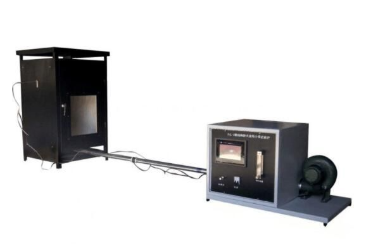
Functions and Applications of Steel Structure Fireproof Coating Sample Test Furnace
The Steel Structure Fireproof Coating Sample Test Furnace is used to evaluate the thermal insulation efficiency and fire resistance limit of fireproof coatings applied to small steel substrates such as I-beams and steel plates under the standard fire temperature rise curve. The test is conducted in accordance with relevant GB standards to assess the fire protection performance of the coating.
Functions:
The equipment is capable of simulating a standardized high-temperature fire environment under single-sided exposure, with a maximum temperature of approximately 1200°C for up to 360 minutes. It automatically controls the furnace temperature curve and internal pressure (20 ± 3 Pa), while simultaneously monitoring multi-point temperatures on the unexposed side of the specimen.
The fire resistance limit is determined based on standard criteria, typically when the average back-face temperature rises ≥ 538°C or any single point reaches ≥ 649°C, at which point the test is automatically terminated. All relevant data is recorded in real time.
Applications:
This equipment is used to support the research and development, production quality control, and third-party certification testing of steel structure fireproof coatings. It ensures that coatings can effectively delay temperature rise and extend structural load-bearing time in real fire scenarios of building steel structures, meeting the mandatory requirements of national GB standards for thermal insulation efficiency and fire resistance performance.
Applicable Industries of Steel Structure Fireproof Coating Sample Test Furnace
The Steel Structure Fireproof Coating Sample Test Furnace is mainly applied in the following industries:
1. Construction and Engineering Testing Institutions
These organizations use the equipment to test the fire resistance limit and thermal insulation efficiency of steel structure fireproof coatings in accordance with GB/T standards. The results provide technical support for fire acceptance inspections and material certification.
2. Fire Protection Product Manufacturers
In R&D and quality inspection processes, manufacturers use the furnace to verify the fire resistance performance of various types of coatings, including ultra-thin, thin, and thick fireproof coatings, ensuring compliance with CCC certification requirements and national standards.
3. Construction and Installation Companies
Contractors perform sampling inspections on incoming fireproof coating materials to ensure compliance and fire safety requirements for steel structures in high-rise buildings, industrial plants, and commercial complexes.
4. Research Institutes and Universities
Used for studying fire-resistant material performance, validating testing standards, and developing new coating technologies.
5. Third-Party Testing and Certification Laboratories
Provides fire resistance testing services with CMA/CNAS accreditation, covering infrastructure projects in construction, transportation, energy, and other industries.
Technical Features of Steel Structure Fireproof Coating Sample Test Furnace
The Steel Structure Fireproof Coating Sample Test Furnace is generally designed in accordance with GB/T (small-chamber method) or similar rapid evaluation methods, rather than the formal fire resistance limit testing for steel structures, which requires large-scale specimens and furnaces. Its technical features are as follows:
1. Small Specimen, Rapid Screening
Small substrates (typically around 300 × 150 × 5 mm, such as plywood or asbestos boards) are coated with the test material. Ethanol is used as the ignition source (rather than propane or natural gas). The test is conducted in a sealed small combustion chamber (approximately 337 × 229 × 794 mm) at a 45° inclination.
Performance is evaluated based on flame spread, char volume, and mass loss, rather than fire resistance limit (time–temperature curve) testing.
2. Applicable Standards Limited to Decorative Fireproof Coatings
The method mainly follows GB/T 12441-2018 Appendix B and is applicable to decorative fireproof coatings. It is not suitable for thick-type or ultra-thin steel structure fireproof coatings, which require large specimen furnaces specified in GB 14907-2018.
3. Simple Structure and Lower Cost
The furnace body is typically made of 304 stainless steel and equipped with a fixed brass combustion burner (6 mL capacity), an inclined specimen holder, and a basic exhaust system.
However, it does not include high-precision temperature control or thermocouple arrays. Usually, only 1–2 K-type thermocouples are installed with an accuracy of ±1–2°C. It does not simulate ISO-standard heating curves.
4. Lower Level of Automation
Most operations are manual, including ignition, timing, and observation. Some models are equipped with a 0.1 g electronic balance for measuring mass loss, but they lack PLC control, pressure monitoring, and automatic gas shut-off systems, which are typically found in large-scale fire resistance furnaces.
5. Application Purpose: R&D and Quality Screening
It is mainly used for comparative evaluation of flame retardancy in coating formulations and production consistency checks. It cannot replace full-scale fire resistance furnaces or standard steel structure fire testing systems that require large steel beam specimens and standard heating curve testing.
Operating Procedure of Steel Structure Fireproof Coating Sample Test Furnace
1. Specimen Preparation
Apply the fireproof coating onto standard steel substrates such as 150 × 150 × 6 mm or 100 × 100 × 5 mm Q235 steel plates at a thickness of 1.0–2.5 mm.
Cure the specimens under normal conditions for 7 days, or dry them according to the coating specification (e.g., 60 ± 2°C for 24 hours). Record the initial condition of the specimen, including surface flatness, bubbles, cracks, and other visible defects.
2. Specimen Installation
Fix the dried specimen onto the test frame (typically with the coated side facing inward and the steel substrate facing outward), and place it at the designated position inside the furnace.
Attach a K-type thermocouple (diameter ≤ 0.5 mm) to the non-exposed surface of the specimen, ensuring the distance between the measuring point and the coating interface is ≤ 1 mm.
At the same time, install standard furnace thermocouples (e.g., 2.2 mm K-type) for furnace temperature monitoring.
3. Preheating and Calibration
Start the furnace system, exhaust system, fuel gas (propane or natural gas), and PLC control system. Preheat the furnace to approach the initial point of the standard heating curve (e.g., 20°C).
Calibrate the furnace temperature system using standard thermocouples and verify that pressure and airflow conditions are stable.
4. Ignition and Test Start
Initiate the heating curve (e.g., reaching approximately 500°C within 0–5 minutes and 750°C within 15 minutes).
Simultaneously activate the negative pressure and airflow system to ensure sufficient flame exposure on the coating surface.
5. Real-Time Monitoring
Automatically record furnace temperature and back-face (substrate) temperature with a sampling rate of ≥ 1 Hz.
The test is automatically terminated when any of the following conditions occur:
Average back-face temperature rise ≥ 140°C
Single-point temperature rise ≥ 180°C
Specimen failure, such as instability or penetration
The fire resistance limit is recorded as the total test duration.
6. Shutdown and Cooling
After the test, immediately shut off the fuel supply and main flame. Keep the exhaust system running until the furnace temperature drops below 100°C.
Remove the specimen and document its condition, including charring, cracking, spalling, and expansion. Photographic records shall be taken for archiving.
7. Data Reporting
Generate a test report including fire resistance limit (in minutes), temperature rise curves, and failure modes.
Compare results with standard limits such as 1.0 h, 2.0 h, and 3.0 h ratings.
Maintenance Recommendations for Steel Structure Fireproof Coating Sample Test Furnace
1. Daily / Post-Test Maintenance
After each test, ensure the furnace temperature drops below 40°C before opening the chamber. Clean residual ash and specimen debris from the furnace chamber.
Inspect thermocouples (both furnace and back-face sensors) for displacement, oxidation, or circuit breakage, and ensure all connections are secure.
Check gas pipelines and joints for leakage using a leak detection solution, discharge any residual gas, and close the main gas valve.
2. Weekly Inspection
Calibrate temperature sensor accuracy by comparison with a standard thermocouple or through third-party verification.
Test the automatic shutdown function to ensure it is triggered under conditions such as:
Back-face temperature ≥ 140°C + ambient temperature condition
Furnace temperature ≥ 180°C + ambient temperature condition
Clean burner nozzles and air–gas ratio valves to prevent carbon buildup that may cause deviation in the heating curve.
3. Monthly Maintenance
Inspect furnace lining refractory materials for cracks or collapse.
Verify proper operation of the exhaust fan and ensure the airflow duct is not blocked.
Calibrate the gas flow meter to ensure accuracy within ±2.5%.
Clean dust from the touchscreen and control system to prevent moisture-related short circuits.
4. Semi-Annual / Annual Maintenance
Have the temperature control system professionally calibrated by an authorized institution.
Test the grounding resistance of the furnace body (should be < 4 Ω).
Replace aging rubber hoses and sealing components.
Record and archive all maintenance and calibration data for traceability and inspection purposes.
Importance of Steel Structure Fireproof Coating Sample Test Furnace
The Steel Structure Fireproof Coating Sample Test Furnace plays a crucial role in enabling efficient and compliant evaluation of the thermal insulation efficiency and flame-retardant performance of fireproof coatings during the R&D and quality control stages. It ensures that steel components receive sufficient fire resistance protection in real fire conditions.
1. Basis for Compliance and Certification
In accordance with GB/T standards, the sample furnace simulates fire conditions using ISO-standard temperature rise curves to determine the fire resistance limit of coatings, typically defined as the time required for the steel substrate temperature to reach 538°C.
This testing process is a mandatory requirement for product type approval and market access certification.
2. Cost and Efficiency Advantages
Compared with large-scale fire resistance testing of structural components—which is expensive and may take several days—the sample test furnace offers a faster and more economical solution.
Testing can be completed within hours using small specimens, enabling rapid screening of coating formulations and optimization of application processes. It provides essential technical support for both R&D and factory quality control.
3. Safety Assurance Function
If the thermal insulation performance of the coating is insufficient, steel structures may lose load-bearing capacity within approximately 15–20 minutes during a fire.
The sample test furnace ensures that each batch of coating meets insulation performance requirements, directly impacting building collapse risk and evacuation time for occupants.
4. Standardization and Data Consistency
By strictly controlling temperature (accuracy within ±2°C), using standardized specimens (e.g., I-beams), and implementing multi-point temperature measurement, the system ensures data comparability and traceability.
This minimizes errors caused by variations in coating thickness or substrate conditions, providing reliable support for third-party testing and engineering acceptance.
In summary, the Steel Structure Fireproof Coating Sample Test Furnace is an essential piece of equipment in material performance evaluation and fire safety research. Its application value and technical innovation deserve high attention.We sincerely welcome inquiries and feedback. Please feel free to leave a message or contact us directly so that we can provide more detailed technical information and customized solutions tailored to your needs.
Previous: How to measure smoke density?
N e x t : How can I test my touch screen?
