





What is the bend test?
2026/06/01
Share:

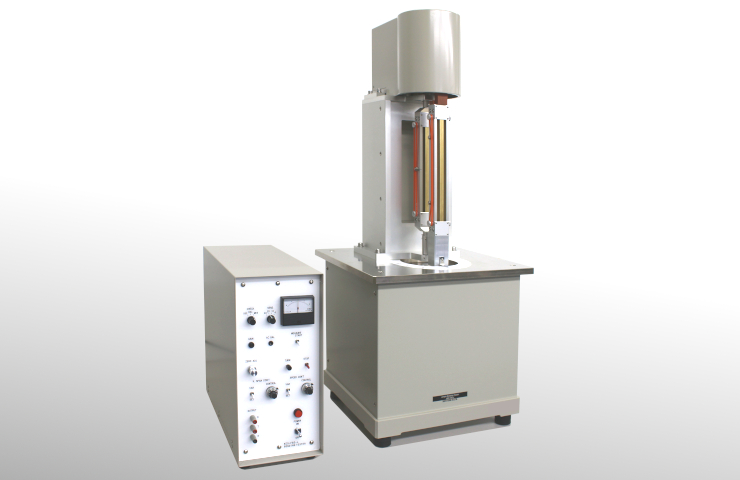
Basic Working Principle of a Bending Testing Machine
Its working principle is actually quite straightforward. Imagine we want to test the bending resistance of a metal rod. The testing machine typically places the rod horizontally on two supporting rollers, forming a simply supported beam structure. Then, a loading head applies a slow downward force at the midpoint of the beam from above. This force gradually increases, causing the rod to bend until it eventually fractures or reaches a specified bending angle.
During this process, precision sensors inside the testing machine record in real time and generate a “load–displacement” curve, or more professionally, a “stress–strain” curve. By analyzing this curve, several key parameters can be obtained:
Flexural Strength: The maximum bending stress the material can withstand before fracture. It directly reflects the material’s resistance to bending failure.
Flexural Modulus: The ratio of stress to strain in the elastic deformation stage. It represents the material’s resistance to elastic bending deformation and can be understood as its “bending stiffness.”
Maximum Deflection: The downward displacement at the center of the specimen when it fractures or reaches the specified load. It reflects the material’s flexibility and plastic deformation capability.
Through these data, engineers and quality inspection personnel can obtain a quantitative and objective evaluation of material performance and determine whether it meets design standards and application requirements.
Main Types of Bending Testing Machines
Manual Bending Testing Machine: This type has a simple structure and relies on manual loading. It is typically used for teaching demonstrations or basic tests that do not require high precision. While it is low in cost, its repeatability and accuracy are relatively limited.
Electronic Bending Testing Machine: Driven by a motor and equipped with precision sensors to measure load and displacement, this type automatically completes the testing process through a control system. It offers high testing accuracy and good data repeatability, and can generate detailed test reports. It is currently the most widely used mainstream model.
Hydraulic Bending Testing Machine: This type uses a hydraulic system to apply load and generally provides a much higher load capacity. It is suitable for testing large components and high-strength metal materials that require high-tonnage bending tests. Although it has a robust structure, it occupies more space and requires higher maintenance.
Specialized Bending Testing Machine: Designed for specific industries or materials, such as cyclic bending testing machines for reinforcing steel bars, or flexural testing machines for brittle materials like ceramics and glass. These machines are usually equipped with dedicated fixtures and tailored testing procedures.
Wide Application Fields of Bending Testing Machines
Bending testing machines are widely used across numerous industries that are closely related to the national economy, public welfare, and cutting-edge technology. Their testing range covers everything from basic raw materials to complex structural components:
Metal Materials Industry: Used to test the bending properties and formability of steel, aluminum alloys, copper alloys, and other metal sheets, bars, and profiles. For example, they are used to evaluate the cold bending performance of construction rebar and to examine the bending toughness of steel pipe welds, which is critical for the safety of bridges, buildings, and pressure vessels.
Non-Metallic and Composite Materials: Materials such as plastics, rubber, ceramics, and fiberglass-reinforced composites rely heavily on bending performance as a key design parameter. Through bending tests, engineers can assess the flexural rigidity of plastic components and the interlaminar bonding strength of composite materials, providing essential data for automotive parts, wind turbine blades, and sports equipment.
Construction Materials Testing: The flexural strength of cement, concrete, mortar, stone, and tiles is a key quality indicator. Bending testing machines are widely used in this field to ensure that floor slabs, pavements, and wall materials have sufficient load-bearing capacity and crack resistance.
Electronics and Precision Components: The bending performance of printed circuit boards, semiconductor packaging materials, and small structural components directly affects the reliability and service life of electronic products.
Scientific Research and Education: In universities and research institutes, bending testing machines are fundamental laboratory equipment used for material studies, new material development, and verification of theoretical models.
Three Key Features of Bending Testing Machines
High Precision: It can accurately measure various parameters during the bending process, such as bending angle and deformation, providing reliable data for test results.
Easy Operation: Equipped with an intuitive user interface, it is easy for operators to use and allows quick setting of test parameters.
Stable Structure: Designed with a robust frame, it maintains stability during testing and minimizes the influence of external disturbances on results.
Five Major Advantages of Universal Bending Testing Machines
Universal bending testing machines play an important role in material mechanical property testing, with the following key advantages:
Versatility: It can perform multiple types of tests such as tensile, compression, and bending, making it suitable for mechanical testing of a wide range of materials.
High Accuracy: With advanced measurement and control technology, it can precisely measure parameters such as stress and strain during bending, ensuring reliable test results.
Adjustability: Test parameters such as loading speed, load range, and test temperature can be adjusted to meet different material requirements and testing standards.
High Level of Automation: Advanced models feature automated control systems that enable automatic test execution and data acquisition, improving efficiency and reducing human error.
Data Analysis Capability: Equipped with data analysis software, it can process and analyze test data, such as generating stress–strain curves.
These advantages make the universal bending testing machine an indispensable tool in fields such as materials science research, product quality control, and new material development.
Key Points for Installation, Operation, and Maintenance of Bending Testing Machines
Proper installation, standardized operation, and regular maintenance are the foundation for ensuring accurate data and extending the service life of a bending testing machine.
Installation Environment: The equipment should be installed on a stable foundation. The environment must be clean and dry, free from vibration sources and corrosive gases, and the room temperature should remain as stable as possible. The power supply must be stable and meet the equipment’s requirements.
Operating Procedures: Operators must be properly trained and familiar with the equipment’s performance and testing standards. Before testing, specimens should be correctly installed, and precise alignment is essential. The appropriate loading speed should be set according to relevant material standards. During testing, the operator should closely monitor the process and stop the machine immediately in case of any abnormal conditions.
Routine Maintenance: The equipment should be cleaned regularly, especially the fixtures and guide rails, to prevent dust and debris accumulation. Transmission components such as lead screws should be lubricated periodically according to the user manual. Avoid prolonged overload operation.
Calibration and Verification: In accordance with national metrology regulations and equipment usage frequency, the testing machine should undergo regular calibration or verification (usually once a year) for its force measurement and deformation measurement systems. This ensures traceability, accuracy, and reliability of test results.
Scientific Value and Selection Considerations of Bending Testing Machines
Scientific Value
The scientific value of bending testing lies in transforming the abstract concept of “material performance” into precise, comparable, and reproducible data. These data directly support:
Quality Control: Serving as a standard procedure for factory acceptance testing or incoming material inspection, ensuring that product batches comply with specifications.
Research and Development (R&D): Helping researchers compare material performance under different formulations and processes, thereby guiding new product development.
Safety Evaluation: Providing key input parameters for structural design and acting as an essential safeguard against accidents caused by material failure.
Standardization: Supporting the implementation of national, industrial, and international standards, and promoting fairness and consistency in trade and technical exchange.
Selection Considerations
For users, selecting and using a bending testing machine requires comprehensive consideration of multiple factors rather than relying on a single parameter.
The primary factor is testing requirements, including the types of materials to be tested, specimen dimensions, applicable testing standards, and the required load range and accuracy.
Measurement accuracy and system stability are the lifeline of data reliability, which depend heavily on the quality of core sensors and the overall structural design of the machine.
Ease of operation and safety are also crucial. An intuitive software interface, complete fixture configurations, and emergency protection systems can improve efficiency while ensuring operator safety.
Scalability and maintenance support are equally important for long-term use. The ability to upgrade accessories easily and receive timely technical support and calibration services directly affects the lifecycle value of the equipment.
In conclusion, as manufacturing continues to evolve toward high-end and intelligent development, the requirements for understanding and controlling material properties are becoming increasingly sophisticated. Future bending testing technologies are moving toward higher precision, greater efficiency, and smarter integration. Although the bending testing machine does not directly produce finished products, it ensures the reliability and durability of countless products under complex stress conditions. It is a silent yet steadfast guardian behind industrial quality.We sincerely welcome you to leave a message or contact us directly so that we can provide you with more comprehensive and detailed product information and support.
Previous: What is the air filter in a gas turbine?
N e x t : What is a Tensile and Shear Tester?
