





What are the applications and features of Porton Thermal Manikin Equipment?
2026/06/02
Share:

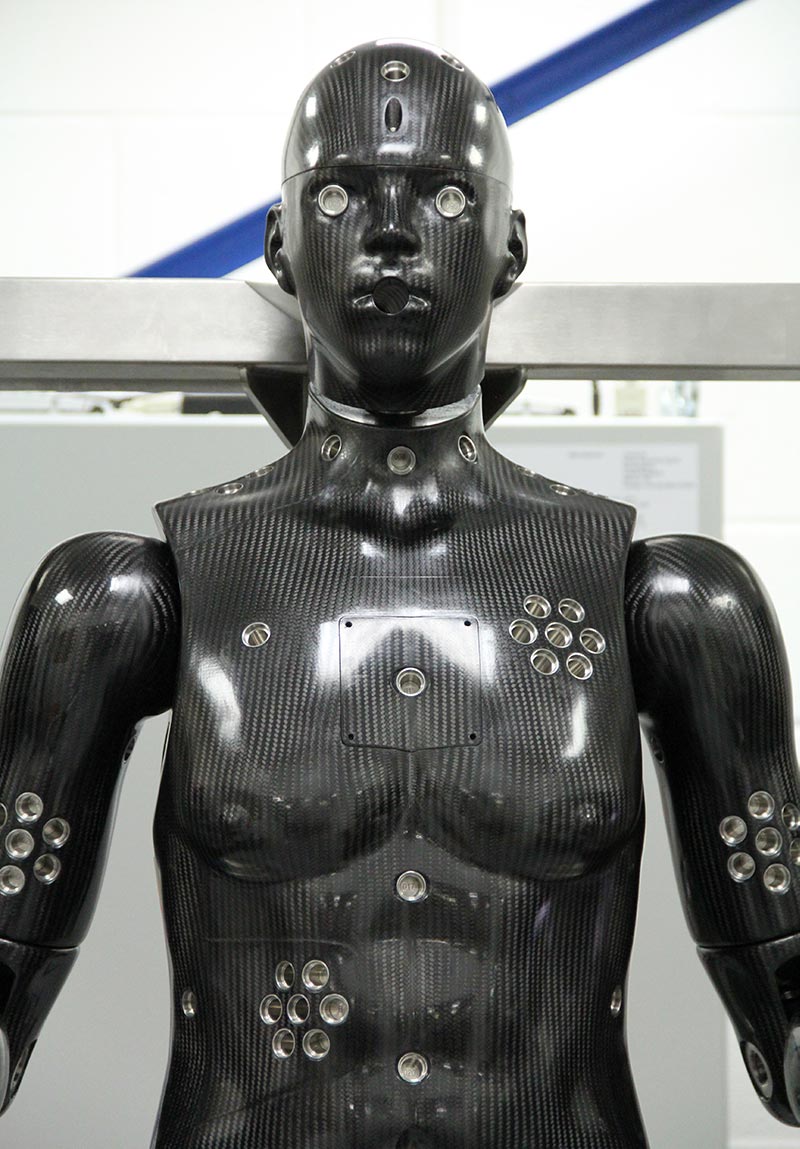
Development Background of the Porton Man Robotic Dummy
Porton Man is an advanced anthropomorphic robotic test dummy jointly developed by the UK Ministry of Defence (MOD) and a British film and animation technology company. It was specifically designed to simulate the realistic movements and physiological characteristics of soldiers during chemical and biological protective equipment testing. Development began in the early 2010s with the goal of replacing traditional static mannequins that could not accurately replicate human motion.
The name “Porton Man” originates from Porton Down, the location of the UK's Defence Science and Technology Laboratory (Dstl). The robot weighs approximately 16 kilograms (35 pounds) and is equipped with more than 100 sensors distributed across its body. Constructed using Formula One-grade carbon-fiber composite materials, it is capable of performing a wide range of human-like movements, including walking, squatting, kneeling, and raising its arms.
Motivation for Development
Traditional protective clothing test dummies lacked dynamic simulation capabilities and were unable to accurately evaluate how protective equipment performed during realistic military movements. As a result, they could not effectively assess factors such as:
Garment fit and seal integrity during motion
Breathability and thermal comfort
Protection effectiveness under operational conditions
Exposure risks during realistic combat-related activities
To address these limitations, the British military sought a higher-fidelity testing platform capable of reproducing real human movements and environmental interactions.
Development Partners
The project was led by the UK Ministry of Defence, while engineering and motion-system development benefited from expertise drawn from the British film and visual-effects industry. Technologies originally developed for motion capture, animation, and realistic character movement were adapted to create a highly lifelike testing robot.
Technical Foundation
Porton Man was developed using anthropometric and movement data collected from approximately 2.500 British soldiers. Engineers combined this extensive human-motion database with lightweight Formula One-inspired carbon-fiber composite structures, enabling the robot to achieve:
High dynamic responsiveness
Realistic human movement patterns
Low overall weight (approximately 16 kg)
Enhanced durability for repeated testing
The robot's integrated sensor network continuously records temperature, humidity, chemical penetration, and other environmental parameters during testing, providing highly accurate performance data for protective equipment evaluation.
Development Timeline
Porton Man was publicly unveiled between 2013 and 2014 and is widely regarded as the UK's second-generation intelligent test dummy. It represented a major advancement over the first-generation hydraulic test dummies developed during the 1990s, which were significantly heavier, less mobile, and limited in their ability to replicate realistic human behavior.
By combining robotics, motion-capture technology, and advanced materials engineering, Porton Man established a new benchmark for military protective equipment testing and helped improve the development of next-generation chemical and biological defense systems.
Testing Principle of the Porton Man Robotic Dummy
To understand the testing principle of Porton Man, it is important to recognize that Porton Man is a full-scale intelligent anthropomorphic test system specifically developed for evaluating the performance of chemical and biological (CB) protective clothing and personal protective equipment (PPE). The system uses computer-controlled actuators to simulate a wide range of human movements under realistic operating conditions. Combined with a distributed network of sensors positioned throughout the body, it enables objective assessment and quantitative analysis of protective equipment performance during dynamic activities. This makes it particularly suitable for the development, validation, and comparative testing of high-risk protective systems.
Dynamic Human Motion Simulation
Porton Man utilizes a computer-controlled drive system to reproduce typical human movements while wearing protective clothing. During testing, the robot performs various realistic activities, including:
Walking
Running
Climbing and descending stairs
Squatting and kneeling
Reaching and arm movements
These dynamic actions closely replicate the physical conditions experienced by military personnel, emergency responders, and hazardous-environment workers in real-world situations.
Real-Time Data Acquisition
Throughout the test process, a network of distributed sensors located across the robot's body continuously collects data from inside the protective suit and from critical exposure areas. The sensors monitor key performance indicators such as:
Temperature distribution
Humidity levels
Airflow and ventilation effectiveness
Potential chemical or biological agent penetration
Suit integrity during movement
Seal performance at critical interfaces
The collected data are transmitted and recorded in real time for detailed analysis.
Performance Evaluation
Unlike traditional static mannequins, Porton Man evaluates protective equipment under realistic dynamic conditions. By analyzing how protective performance changes during movement, researchers can comprehensively assess:
Protective suit sealing effectiveness
Structural integrity of the garment system
Resistance to contaminant penetration
Overall protective capability of the equipment
Comfort and operational suitability during use
This dynamic testing approach provides a more accurate representation of real-world performance and helps manufacturers optimize protective clothing designs while ensuring compliance with military, industrial, and emergency-response safety requirements.
Key Advantage
The primary advantage of Porton Man is its ability to combine realistic human motion simulation with high-precision sensor-based measurement, allowing researchers to evaluate protective equipment under conditions that closely resemble actual field operations. This results in more reliable test data and a more accurate assessment of the protective performance of chemical and biological defense systems.
Key Features of the Porton Man Robotic Dummy
1. Realistic Human Motion Simulation
Porton Man incorporates advanced biomimetic joints and an intelligent actuation system capable of reproducing natural human movements while wearing protective clothing. It can simulate walking, running, sprinting, and tactical maneuvers under the restrictions imposed by protective garments. These capabilities enable testing conditions that closely resemble real battlefield environments, emergency response scenarios, and hazardous incident sites. By replicating critical movements encountered during actual use, the system provides a more realistic evaluation of protective equipment performance.
2. High-Density Distributed Sensor Network
The robot is equipped with more than one hundred miniature sensors distributed throughout its body. These sensors continuously monitor and record key parameters inside the protective suit, including:
Internal pressure conditions
Temperature distribution
Humidity levels
Chemical agent penetration and exposure data
The extensive sensor coverage spans all major body regions, enabling detailed analysis of both localized protection effectiveness and the overall performance of the protective system.
3. Lightweight and High-Strength Structural Design
Porton Man features a lightweight skeletal framework constructed from advanced carbon-fiber composite materials. This design significantly reduces motion inertia while maintaining excellent structural strength and stability. The high-performance composite structure also offers enhanced durability when exposed to chemical contaminants, mechanical stress, and demanding testing environments, ensuring reliable operation throughout repeated test cycles.
4. System-Level Protective Performance Evaluation
Unlike conventional testing methods that focus solely on material properties, Porton Man evaluates the performance of an entire protective system under dynamic conditions. The platform assesses the interaction between:
Protective garments
Respiratory protection equipment
Human movement and body dynamics
By examining how these components function together in realistic operating environments, the system provides a comprehensive evaluation of overall protective effectiveness, particularly under extreme and high-risk conditions.
5. High Repeatability and Enhanced Safety
Porton Man operates through a fully automated testing process, eliminating the need for human subjects to be exposed to hazardous chemical or biological agents. Standardized testing procedures ensure excellent repeatability and consistency across multiple test cycles, making the system ideal for product development, performance verification, and comparative studies. This approach not only improves data reliability but also provides a safe and controlled testing environment while supporting the continuous improvement of high-risk protective equipment.
By combining realistic human-motion simulation, an extensive sensor network, lightweight composite construction, system-level performance assessment, and fully automated operation, Porton Man provides a highly advanced platform for evaluating chemical and biological protective equipment. Its ability to generate reliable, repeatable, and real-world performance data makes it an invaluable tool for the development of next-generation protective systems.
Practical Applications of the Porton Man Robotic Dummy
1. Chemical Protective Clothing Performance Testing
Porton Man is widely used to evaluate the overall protective performance of various types of chemical protective clothing, including:
Gas-tight protective suits
Non-gas-tight protective suits
Positive-pressure protective suits
During testing, the robot simulates realistic wearer movements such as walking, crawling, kneeling, and other operational activities in environments involving hazardous chemical releases. These tests help assess material permeation resistance, seam integrity, and the overall effectiveness of the protective garment under dynamic conditions.
2. Biological and Infection-Control Protective Clothing Evaluation
Porton Man is used to assess the dynamic performance of biological protective clothing and infection-control garments. In simulated epidemic outbreaks, biological contamination incidents, or laboratory exposure scenarios, the system evaluates the ability of protective clothing to prevent the penetration of virus-laden aerosols and biological agents.
Particular attention is given to the durability and integrity of protective garments during continuous movement, friction, and repeated operational activities that may affect protective performance.
3. CBRN Protective Systems Testing
The robot supports comprehensive testing of Chemical, Biological, Radiological, and Nuclear (CBRN) protective systems, including:
Protective suits
Respiratory protection devices
Protective masks
Breathing apparatus interfaces
By performing coordinated dynamic movements, Porton Man helps verify respiratory compatibility, equipment integration, user mobility, and overall protective effectiveness in contaminated environments.
4. Emergency Response and Industrial Protective Equipment Validation
Porton Man is also used to evaluate protective equipment designed for emergency responders and personnel working in hazardous industrial environments, including:
Petrochemical facilities
Chemical manufacturing plants
Pharmaceutical production sites
Hazardous materials response operations
In addition, the system can be used to assess rescue equipment employed during earthquakes, fires, industrial accidents, and other emergency situations, focusing on durability, abrasion resistance, and operational flexibility.
5. Protective Clothing Integrity Assessment During Movement
The robot performs a variety of realistic movements, including:
Walking
Running
Ascending and descending stairs
Squatting
Kneeling
Crawling
These activities allow researchers to evaluate whether protective garments maintain their integrity and protective capabilities while subjected to the stresses of real-world use.
6. Ergonomics, Comfort, and Mobility Studies
Porton Man provides valuable data for human-factors research related to protective equipment. Through activities such as kneeling, climbing, and extended movement exercises, researchers can analyze:
Range-of-motion restrictions
Joint mobility limitations
Wearer comfort
Fatigue-related factors
The results help engineers optimize protective clothing designs to improve usability while maintaining high levels of protection.
7. Comparative Research on Protective Materials and Systems
Research laboratories, universities, and defense organizations use Porton Man to compare different generations of protective materials and equipment under identical dynamic loading conditions. The system provides quantitative data on:
Performance degradation over time
Protective efficiency under repeated use
Material durability
System-level effectiveness
These studies support the development of next-generation protective technologies and evidence-based design improvements.
Importance of the Porton Man Robotic Dummy
The significance of Porton Man lies in its ability to realistically simulate human movement while providing highly accurate measurements of protective equipment performance under operational conditions. As a result, it has become an essential tool for the development and validation of modern chemical and biological protective systems.
Realistic Dynamic Simulation
Unlike traditional static test mannequins, Porton Man can perform complex human movements such as:
Walking
Kneeling
Crawling
Aiming and operational postures
Tactical gestures and movement sequences
This capability enables dynamic evaluation of critical protective-clothing characteristics, including:
Breathability
Seal effectiveness
Garment fit
Mobility and operational performance
High-Precision Sensor Technology
More than 100 integrated sensors continuously monitor key parameters throughout the testing process, including:
Pressure distribution
Temperature variations
Humidity conditions
Chemical agent penetration
Exposure levels at critical body locations
These measurements provide highly detailed, quantitative data that support the optimization and certification of protective equipment.
Enhanced Safety and Reduced Risk
Constructed from lightweight carbon-fiber composite materials and weighing approximately 16–16.5 kg (35–36 lb), Porton Man combines durability with mobility. Most importantly, it eliminates the need for human participants in hazardous chemical and biological testing environments, significantly reducing risks associated with equipment development, validation, and training activities.
Supporting Next-Generation Protective Equipment Development
By integrating realistic human-motion simulation, advanced sensing technology, and automated testing capabilities, Porton Man enables researchers and manufacturers to obtain reliable performance data that would be difficult or impossible to collect using conventional testing methods. This contributes directly to the development of safer, more effective protective systems for military personnel, emergency responders, and workers operating in hazardous environments.
Maintenance and Care Recommendations for the Porton Man Robotic Dummy
Proper maintenance is essential to ensure the long-term reliability, accuracy, and operational performance of the Porton Man robotic dummy. The following recommendations can help maximize service life and maintain testing consistency.
1. Routine Cleaning
Clean external surfaces using a soft dry cloth or a slightly damp lint-free cloth.
Avoid the use of solvents such as acetone, alcohol, or other aggressive cleaning agents, as they may damage sensors, coatings, or composite materials.
If the system includes removable skin coverings or protective outer components, clean them according to the manufacturer's instructions and allow them to dry completely before reinstallation.
2. Joint and Motion System Maintenance
Periodically move the robot's joints manually to check for stiffness, abnormal resistance, unusual noise, or excessive looseness.
Use only approved silicone-based lubricants on exposed rotating shafts and moving components when specifically recommended by the manufacturer.
Do not use conventional machine oil or industrial lubricants, as they may damage internal mechanisms or attract contaminants.
Prevent lubricants from entering sealed electronic or mechanical assemblies.
3. Sensor and Electronic Module Care
For systems equipped with force sensors, acceleration sensors, temperature sensors, or other electronic monitoring devices:
Keep sensor interfaces clean, dry, and free from dust accumulation.
Ensure the operating environment is dry before powering on the system.
Avoid exposure to moisture that could cause electrical short circuits or sensor malfunction.
If abnormal readings, communication errors, or calibration deviations occur, discontinue operation immediately and contact qualified technical support personnel.
4. Structural Inspection and Fastener Verification
Inspect critical fasteners, bolts, and locking mechanisms on a monthly basis.
Pay particular attention to high-load structural areas such as:
Shoulders
Hips
Spine and torso connections
Limb attachment points
Re-tighten components according to the specified torque requirements when necessary.
Avoid over-tightening, which may damage structural components or affect measurement accuracy.
5. Storage Conditions
When the system is not in use:
Store it in a cool, dry environment with an ambient temperature of approximately 10°C–30°C (50°F–86°F).
Keep the robot away from direct sunlight, corrosive chemicals, and sources of strong magnetic or electromagnetic interference.
Disconnect power during long-term storage.
For units equipped with internal batteries, maintain a charge level between 40% and 60% to help preserve battery life.
6. Calibration and Performance Verification
Perform routine static and dynamic calibration at least once every quarter, or after any significant impact, transportation event, or abnormal operating condition.
Use only approved calibration software, tools, and procedures.
Regular calibration helps ensure data accuracy and testing consistency.
Do not attempt to disassemble internal mechanical, electrical, or sensor systems without authorization from the manufacturer.
7. Water and Dust Protection
Unless the system is specifically certified with an appropriate IP (Ingress Protection) rating, avoid exposing it to water, excessive humidity, or dusty environments.
Protect sensors and electronic components from liquid intrusion.
If accidental water exposure occurs:
Immediately dry all accessible surfaces.
Place the system in a well-ventilated area.
Allow at least 24 hours of drying time before operation.
Conduct a functional inspection before returning the unit to service.
Conclusion
Regular cleaning, inspection, calibration, and proper storage are essential for maintaining the accuracy, durability, and reliability of the Porton Man robotic dummy. Following these maintenance practices helps ensure consistent testing performance and extends the operational lifespan of the system.If you would like to learn more about the Porton Man robotic dummy, we warmly invite you to leave a message on our website or contact us directly. Our team will be pleased to provide detailed product information, technical specifications, and professional consultation tailored to your requirements.
Previous: Is there a solar simulator?
N e x t : What is a geosynthetic direct shear drawing friction tester?
