





What is a gas pulse testing machine?
2026/06/10
Share:

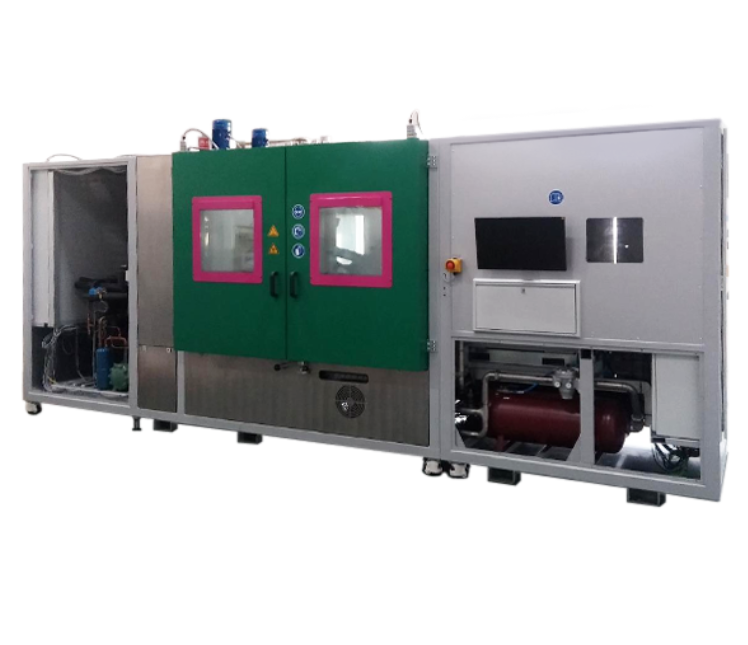
Detailed Definition of the Gas Pulse Testing Machine
The Gas Pulse Testing Machine is a specialized testing system developed for evaluating the durability and reliability of automotive air cooling and pressurized components. It is primarily designed for testing critical parts used in turbocharging systems, charge air cooler assemblies, intercooler pipelines, and other air intake system components.
The equipment is capable of performing a variety of reliability assessments, including alternating positive and negative pressure pulse tests, automatic leak detection, and sealing integrity evaluations. By reproducing cyclic pressure loads similar to those encountered during actual vehicle operation, the system enables manufacturers to assess the long-term performance and fatigue resistance of automotive components under demanding service conditions.
Equipped with an intelligent monitoring and control system, the Gas Pulse Testing Machine can continuously monitor the condition of each test specimen throughout the testing process. Once a specimen fails or exhibits abnormal behavior, the system automatically identifies the failed sample and isolates or terminates the corresponding test channel. This function effectively prevents unnecessary energy consumption and invalid testing, significantly improving both testing accuracy and operational efficiency.
Unlike conventional pressure testing equipment, the Gas Pulse Testing Machine supports coupled high-temperature and high-pressure testing. When integrated with an independent large-capacity environmental chamber and a three-dimensional dynamic motion mechanism, the system can simulate complex service environments involving elevated temperatures, cyclic gas pressure fluctuations, and dynamic displacement.
These combined testing capabilities accurately reproduce the multidimensional stresses experienced by automotive components during real driving conditions, including vibration, thermal expansion, pressure pulsation, and mechanical movement.
To further enhance productivity and flexibility, the equipment is configured with eight independent testing channels, allowing multiple specimens to be tested simultaneously under identical or different testing conditions. This multi-station design meets the diverse requirements of both high-volume production quality control and precision-oriented research and development activities.
Thanks to its comprehensive testing capabilities, high level of automation, and excellent repeatability, the Gas Pulse Testing Machine has become an indispensable tool for:
Automotive component manufacturers conducting product validation and quality assurance;
Original equipment manufacturers (OEMs) establishing supplier qualification requirements;
Third-party testing and certification laboratories providing independent verification services;
Research institutes and university laboratories engaged in automotive reliability studies and advanced material development.
In summary, the Gas Pulse Testing Machine is far more than a conventional pressure testing device. By integrating cyclic pressure loading, leak detection, sealing evaluation, high-temperature environmental simulation, and dynamic motion testing into a single platform, it provides a comprehensive solution for assessing the durability and reliability of automotive air intake and cooling system components.Its ability to replicate real-world operating conditions with high precision makes it an essential piece of equipment for component quality control, product optimization, performance validation, and technological innovation within the modern automotive industry.
Working Principle of the Gas Pulse Testing Machine
The Gas Pulse Testing Machine operates based on the principle of cyclic pneumatic loading, combined with high-temperature environmental simulation and dynamic displacement reproduction, to accurately replicate the fatigue damage process experienced by automotive air system components during long-term service.
By subjecting test specimens to repeated pressure fluctuations under controlled environmental conditions, the equipment enables manufacturers to evaluate the durability, sealing performance, and structural stability of critical components before they are installed in vehicles.
1. Cyclic Gas Pressure Loading Principle
At the core of the system is a pneumatic pulse generation unit that utilizes compressed air as the testing medium.
Through an advanced control system, the equipment precisely generates two commonly used standard pressure waveforms:
Trapezoidal pressure waveforms; and
Sinusoidal-like pressure waveforms.
Within a pressure range of –0.5 bar to 5 bar, the system continuously applies alternating positive and negative pressure pulses to the test specimen.
These cyclic pressure loads simulate the internal pressure fluctuations encountered in actual vehicle operating conditions, including:
Engine start-up and shutdown;
Rapid acceleration;
Deceleration;
Turbocharger boost pressure variations;
Changes in intake airflow conditions.
As a result, the test accurately reproduces the repeated pressure impacts imposed on turbocharger pipelines, charge air cooler assemblies, hoses, and other air circuit components throughout their service life.
2. High-Temperature Simulation Principle
To replicate the harsh thermal conditions found within the engine compartment, the Gas Pulse Testing Machine is equipped with an independent temperature control system capable of simultaneously controlling both the testing medium and the surrounding environment.
The system can achieve dual high-temperature simulation within a range of 30°C to 250°C, enabling specimens to be evaluated under realistic thermal operating conditions.
This capability allows manufacturers to investigate how elevated temperatures influence:
Material fatigue behavior;
Thermal aging characteristics;
Sealing effectiveness;
Mechanical strength retention;
Pressure resistance under heat exposure.
The combined action of temperature and pressure provides a more representative assessment of real-world component performance.
3. Dynamic Displacement Simulation Principle
In actual vehicle operation, air system components are subjected not only to pressure and heat but also to continuous vibration and movement caused by engine operation and road conditions.
To reproduce these mechanical influences, the testing system integrates a robotic three-dimensional motion mechanism capable of generating controlled dynamic displacement.
The motion system can provide:
A maximum displacement amplitude of ±30 mm; and
Adjustable operating frequencies ranging from 0 to 2 Hz.
Through programmed multi-axis movement, the equipment simulates:
Vehicle-induced vibration;
Engine movement;
Tensile and compressive deformation;
Repetitive flexing and mechanical displacement.
This dynamic testing function enables a comprehensive evaluation of component reliability under combined mechanical loading conditions.
4. Real-Time Monitoring and Failure Detection Principle
Throughout the testing process, the system continuously monitors the sealing condition and operating status of each specimen.
Integrated sensors and intelligent diagnostic algorithms detect abnormalities such as:
Air leakage;
Pressure loss;
Structural rupture;
Burst failures;
Seal degradation.
Once a failure is identified, the equipment automatically stops the affected test channel or isolates the failed specimen while preserving the integrity of the remaining tests.
At the same time, all relevant testing data—including pressure cycles, temperature records, displacement parameters, leakage events, and failure times—are automatically recorded and stored for subsequent analysis.
This intelligent protection mechanism minimizes unnecessary testing losses, improves operational efficiency, and ensures the reliability of the test results.
5. Fatigue Life Evaluation Principle
By exposing components to long-term cyclic pressure loading under combined thermal and mechanical conditions, the Gas Pulse Testing Machine accelerates the fatigue process that would normally occur over years of vehicle operation.
The accumulated test data allow engineers to accurately determine:
Fatigue life expectancy;
Sealing durability;
Resistance to pressure pulsation;
Structural integrity and stability;
Failure modes and weak points;
Overall reliability under service conditions.
These objective evaluations provide a scientific basis for product qualification, design optimization, supplier validation, and quality assurance activities.
In summary, the Gas Pulse Testing Machine combines cyclic gas pressure loading, high-temperature environmental simulation, dynamic displacement testing, and intelligent failure monitoring within a single integrated platform. By accurately reproducing the complex operating conditions encountered by automotive air intake and cooling components, the equipment enables comprehensive reliability verification in a controlled laboratory environment.Its ability to simulate real-world service conditions and accelerate fatigue testing makes it an indispensable tool for evaluating the performance and service life of turbocharging systems, charge air cooling assemblies, and other automotive pneumatic components, ultimately supporting the development of safer, more durable, and higher-quality automotive products.
Technical Features of the Gas Pulse Testing Machine
The Gas Pulse Testing Machine is specifically engineered to address the critical challenges encountered in automotive component durability testing. Designed for demanding applications requiring high precision, high-frequency operation, and exceptional stability, the system offers multiple core advantages that provide the industry with an efficient and reliable testing solution.
1. Outstanding Application-Specific Adaptability
The equipment is purpose-built for the testing of automotive air system components and demonstrates exceptional suitability for evaluating critical parts such as:
Turbocharger hoses and pipelines;
Charge air cooler assemblies;
Intercooler systems;
Air intake ducts and connectors;
Other pressurized air circuit components.
It is capable of accurately reproducing the severe conditions associated with high-temperature and high-pressure pulsating environments, effectively addressing the complex challenges involved in assessing component durability under continuous hot-air operating conditions.
This specialized design ensures both the professionalism and technical depth required for automotive reliability validation.
2. Advanced Intelligent Control System
The Gas Pulse Testing Machine features a sophisticated intelligent control platform developed on the Windows operating system, providing a highly automated testing experience.
From test initiation to completion, the system automatically performs:
Test parameter execution and control;
Real-time operating status monitoring;
Automatic acquisition of testing data;
Secure storage of all test records;
Generation of complete testing histories.
All collected data are fully traceable and can be conveniently exported for in-depth analysis and reporting.
Compared with conventional testing methods that rely heavily on manual data recording, this intelligent system significantly reduces operator error, improves consistency, and eliminates efficiency bottlenecks associated with labor-intensive processes.
3. Comprehensive Safety Protection System
Safety is a key consideration in the design of the equipment.
The machine incorporates an advanced protection architecture featuring:
Automatic leak detection functions;
Instantaneous specimen failure identification;
Automatic shutdown mechanisms;
Independent channel isolation capability;
Continuous safety status monitoring.
During testing, the system proactively detects abnormalities and potential hazards. If leakage, rupture, or other specimen failures occur, the affected test channel is immediately shut down or isolated.
This intelligent protection strategy effectively prevents secondary damage to the equipment caused by unexpected specimen failure while fundamentally reducing potential safety risks to both operators and testing facilities.
4. Realistic and Comprehensive Working Condition Simulation
One of the machine's most distinctive advantages is its ability to reproduce complex real-world operating conditions with exceptional accuracy.
By integrating a high-precision three-dimensional robotic motion system, the equipment enables synchronized simulation of multiple environmental and mechanical factors, including:
Cyclic pressure loading;
Temperature cycling;
Dynamic mechanical displacement.
The coordinated interaction of these conditions allows the system to replicate the combined stresses experienced by automotive components during actual vehicle operation.
As a result, the generated test conditions closely resemble real driving environments, making the final evaluation results more representative, meaningful, and valuable for engineering decision-making.
5. Significantly Enhanced Testing Efficiency
The Gas Pulse Testing Machine is designed with an innovative eight-channel independent parallel testing architecture, enabling multiple specimens to be tested simultaneously without mutual interference.
This configuration provides several operational advantages:
Increased testing throughput;
Efficient batch quality inspection;
Simultaneous evaluation of different products or conditions;
Reduced waiting time between test programs;
Improved utilization of laboratory resources.
The multi-station design substantially shortens overall testing cycles and accelerates both product development and quality assurance processes, making it particularly beneficial for manufacturers facing high-volume testing demands and rapid product iteration requirements.
In summary, the Gas Pulse Testing Machine combines specialized application capability, intelligent automation, comprehensive safety protection, realistic multi-factor simulation, and outstanding testing efficiency within a single integrated platform.Its ability to accurately reproduce high-temperature, high-pressure, and dynamically changing service conditions enables automotive manufacturers, testing laboratories, and research institutions to conduct highly reliable durability evaluations with confidence. By delivering precise, repeatable, and efficient testing results, the equipment plays a vital role in component quality control, product optimization, reliability verification, and technological innovation throughout the automotive industry.Ultimately, the Gas Pulse Testing Machine has become an indispensable tool for ensuring that automotive air system components meet the increasingly stringent requirements for performance, durability, and safety in today's global automotive market.
Functions and Applications of the Gas Pulse Testing Machine
The Gas Pulse Testing Machine can be regarded as an "all-round guardian" in the field of industrial testing. It plays an indispensable role in evaluating the performance, durability, and reliability of a wide variety of products. With its ability to simulate cyclic pressure fluctuations and fatigue conditions encountered during actual service, the equipment has found extensive applications across industries such as automotive, engineering machinery, aerospace, pressure vessel manufacturing, heat exchange systems, and fluid control.By identifying potential weaknesses before products enter service, the Gas Pulse Testing Machine helps manufacturers improve quality, reduce failure risks, and ensure long-term operational safety.
1. Applications in the Automotive Industry
In the automotive sector, the Gas Pulse Testing Machine is widely used to evaluate the durability and sealing performance of numerous piping systems and critical components.
Typical automotive test specimens include:
Steering hoses and pipes;
Brake hoses and brake lines;
Air-conditioning hoses;
Fuel lines;
Engine coolant hoses;
Radiator hoses;
Heater hoses;
Air filter connection hoses;
Turbocharger hoses and boost pipes;
Other rigid tubes, connectors, and fittings.
Through precise cyclic pressure testing, the equipment can expose hidden defects that may not be detected during conventional inspections, ensuring that components maintain their safety and stability throughout their service life.
In addition, the machine is capable of testing key automotive components such as:
Brake master cylinders;
Hydraulic cylinders;
Pressure sensors;
Pressure gauges;
Filter housings;
Other pressure-bearing assemblies.
By conducting repeated pressurization tests, pulse fatigue tests, and hydraulic endurance evaluations, manufacturers can verify component performance under complex operating conditions and improve overall vehicle reliability.
2. Applications in Engineering Machinery
Hydraulic hoses serve as essential elements for transmitting hydraulic energy in construction and industrial equipment. Their performance directly influences the normal operation of engineering machinery.
The Gas Pulse Testing Machine enables rigorous testing of hydraulic hoses used in applications such as:
Excavators;
Loaders;
Cranes;
Agricultural machinery;
Mining equipment;
Industrial hydraulic systems.
The equipment accurately reproduces pressure fluctuations and fatigue damage encountered during actual service, ensuring that hydraulic hoses can continue operating reliably even under severe working conditions.
3. Applications in the Aerospace Industry
The aerospace industry imposes extremely stringent requirements on product reliability and safety.
Aircraft hoses and manifolds constitute critical parts of hydraulic systems, fuel delivery systems, and other onboard fluid circuits. Any failure may have serious consequences for flight safety.
The Gas Pulse Testing Machine precisely simulates pressure variations encountered in aerospace environments and conducts comprehensive durability evaluations of:
Aerospace hoses;
Hydraulic pipelines;
Fuel manifolds;
Fluid distribution assemblies;
Pressure-bearing connectors.
These tests provide strong technical support for the certification and safe operation of aerospace products.
4. Applications in Pressure Vessels and Safety Equipment
Pressure vessels and safety devices play vital roles in industrial production and daily life.
Typical applications include:
Fire extinguishers;
Compressed Natural Gas (CNG) cylinders;
Liquefied Petroleum Gas (LPG) cylinders;
Seamless steel gas cylinders;
Other pressurized storage containers.
The Gas Pulse Testing Machine, often used in conjunction with pulse cycling systems, performs repeated pressurization and pulse endurance tests to evaluate:
Sealing integrity;
Structural strength;
Fatigue resistance;
Pressure endurance capability.
These evaluations help ensure that pressure vessels remain safe throughout their service life and prevent hazardous incidents such as leakage, rupture, or explosion.
5. Applications in Heat Exchange and Cooling Systems
Heat exchange and cooling products are critical to maintaining stable equipment operation.
Components such as:
Charge air coolers (intercoolers);
Oil coolers;
Liquid cooling plates;
Heat exchangers;
Thermal management assemblies;
must withstand complex combinations of thermal stress and pressure fluctuations during prolonged operation.
The Gas Pulse Testing Machine simulates actual pressure and temperature conditions to conduct fatigue evaluations, enabling manufacturers to assess service life, identify potential weaknesses, and improve product reliability.
6. Applications in Fluid Control Components
Fluid control devices are widely used in both industrial systems and everyday applications to regulate the flow of liquids and gases.
Common test specimens include:
Valves;
Throttle valves;
Quick couplings;
Faucets and taps;
Pressure control fittings;
Other flow control components.
Using pulse testing and cyclic loading methods, the equipment evaluates the sealing performance, control accuracy, and fatigue durability of these products under fluctuating pressure conditions.
The resulting data help ensure that fluid control components maintain stable and precise performance throughout their operational lifespan.
Conclusion
In summary, the Gas Pulse Testing Machine is a highly efficient and precise testing solution with significant value across multiple industrial sectors. Its ability to reproduce real-world pressure fluctuations and fatigue conditions allows manufacturers to comprehensively evaluate the durability, sealing performance, structural integrity, and reliability of critical products and components.As industries continue to pursue higher standards of quality, safety, and performance, the importance of gas pulse testing technology will only continue to grow. The Gas Pulse Testing Machine has therefore become an indispensable tool for product validation, quality assurance, and technological innovation.We sincerely welcome industry professionals, business partners, and potential users to contact us through comments, inquiries, or direct communication for further discussion. Our team would be pleased to provide comprehensive product information, detailed technical specifications, and customized testing solutions tailored to your specific requirements.We look forward to the opportunity to work with you and explore the many possibilities that this advanced testing technology can offer.
Previous: What is a Garment Fabric Wet Adhesion Performance Tester?
N e x t : What is the Fabric Light Transmittance Test Machine?
