





What is the Fabric Light Transmittance Test Machine?
2026/06/11
Share:

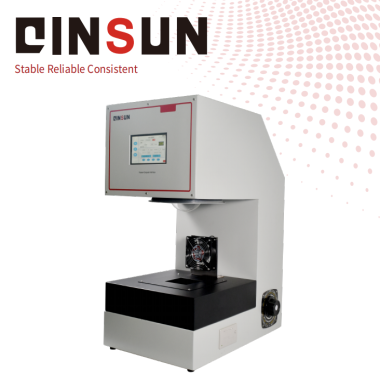
Working Principle of the Fabric Light Transmittance Test Machine
The core working principle of the Fabric Light Transmittance Test Machine is based on the photoelectric light transmittance detection method. By simulating a standard lighting environment and utilizing photoelectric sensing technology, the instrument accurately captures the changes in light intensity before and after the light passes through a fabric specimen, thereby quantitatively evaluating the fabric's light-blocking performance.
The equipment is equipped with a stable light source that complies with relevant industry standards. It emits a uniform light beam vertically to ensure constant light intensity and a precisely aligned optical path without deviation. At the same time, the instrument features a sealed dark chamber structure that effectively isolates external stray light interference, preventing ambient light from affecting the test results and providing a stable and pure testing environment.
During the testing process, the instrument first measures the incident light intensity without a specimen in place and stores this value in the system as the reference baseline. The fabric specimen to be tested is then placed flat between the light source and the sensor. After the light passes through the fabric specimen, the transmitted light intensity is detected and recorded by a high-precision photoelectric sensor.
Using its built-in professional algorithms, the system compares the measured transmitted light value with the reference value and automatically calculates the light transmittance and light-blocking rate (opacity rate) of the fabric. The lower the light transmittance and the higher the light-blocking rate, the better the fabric's blackout performance.
By adopting this quantitative photoelectric detection method, the instrument eliminates the subjectivity associated with traditional visual assessments and enables objective, accurate, and repeatable evaluations of fabric light-blocking performance, meeting the requirements of relevant national standards and industry testing specifications.
How to Use the Fabric Light Transmittance Test Machine
To ensure the accuracy and reliability of test data, the Fabric Light Transmittance Test Machine should be operated in strict accordance with the following procedures. The entire testing process, from preparation to completion, should be carried out in a standardized manner.
(1) Pre-Test Preparation
Prepare all accessories required for the test in advance, such as specimen holders, calibration tools, and the fabric samples to be evaluated. Carefully inspect all items to ensure they are complete, clean, and free from damage. Missing accessories or defective specimens may adversely affect the testing process and the validity of the results.
Next, connect the instrument to the power supply and switch it on for preheating. Check whether the electrical system, light source, and sensors are functioning properly. Ensure that the sealed dark chamber is free from any light leakage so as to establish optimal conditions for the subsequent test.
(2) Parameter Setting and Light Source Calibration
According to the applicable testing standards and specimen requirements, accurately set the required illumination intensity parameters through the instrument's operating interface. After confirming that all parameters are correct, press the light activation button to turn on the built-in standard light source, allowing the testing environment to reach a stable illumination condition.
Then, move to the side of the machine and observe the real-time light intensity value displayed on the screen. By carefully adjusting the light intensity control unit, gradually fine-tune the output until it closely matches the preset illumination value. This ensures that the test lighting conditions are precisely controlled and fully comply with the relevant testing standards.
(3) Specimen Placement
Carefully unfold the prepared fabric specimen and remove any wrinkles, folds, or loose edges. Place the specimen flat on the testing platform directly beneath the light source.
Ensure that the specimen is completely covered by the illumination area and positioned centrally and neatly without displacement, distortion, or bulging. Proper specimen placement is essential to prevent uneven light transmission, which could otherwise compromise the accuracy of the test results.
(4) Test Initiation and Data Acquisition
After confirming that the specimen has been correctly positioned and all parameters have been properly configured, start the testing procedure. The instrument will automatically perform the test according to the predefined conditions.
Once the test reaches the specified duration or meets the preset completion criteria, press the "End Test" button on the operating interface. The system will automatically calculate and analyze the collected incident light reference values and transmitted light measurements, quickly determining the specimen's light transmittance and light-blocking rate. The results will be clearly displayed on the instrument screen for immediate review by the operator.
(5) Data Storage and Post-Test Procedures
After the test is completed, press the "Save" button on the operating interface to store all test data properly, including the light transmittance, light-blocking rate, and testing parameters. This facilitates future retrieval, traceability, and data analysis.
Subsequently, use the instrument's printing function to generate the test report. Carefully review the recorded values to confirm their accuracy. Once the data have been verified, switch off both the light source and the instrument power supply.
Finally, organize the tested specimens and accessories, clean the testing platform and the interior of the sealed dark chamber, and carry out routine dust prevention and maintenance procedures. Upon completion of these steps, the entire testing process is successfully concluded.
Application Fields of the Fabric Light Transmittance Test Machine
The Fabric Light Transmittance Test Machine is primarily used to evaluate the ability of textile materials to block visible light. Its major application areas include the following:
(1) Home Textiles
The instrument is widely used for testing household textile products such as curtains, blackout drapes, and bedding fabrics to ensure that their light-blocking performance meets the requirements for privacy protection and indoor light control. Reliable blackout performance contributes significantly to creating comfortable living environments and enhancing user satisfaction.
(2) Industrial Textiles
Industrial textile products, including awning fabrics, tent materials, and curtains used in automobiles, trains, and aircraft, often require controlled light transmittance to improve comfort, functionality, and environmental adaptability. The Fabric Light Transmittance Test Machine provides precise measurements to verify whether these products satisfy the intended design specifications and performance requirements.
(3) Textile Research, Development, and Quality Control
In textile manufacturing enterprises, the instrument plays an important role in product development and quality assurance. It can be used for routine batch inspections, comparative evaluations of different production lots, and optimization of manufacturing processes such as coating applications and high-density weaving structures. In addition, it helps manufacturers verify compliance with relevant national and industry testing standards, thereby ensuring product consistency and facilitating market access.
(4) Functional Apparel and Specialized Protective Materials
The instrument is also applicable to the testing of functional garments and specialized protective materials, including blackout clothing, operating room curtains used in medical facilities, and UV-resistant blackout composite materials. In these applications, both effective light blocking and health protection are essential considerations. Accurate evaluation of blackout performance supports the development of products that combine comfort, safety, and protective functionality.
(5) Building and Decorative Materials
For architectural and decorative applications, such as roller blinds, fabric draperies, and other interior shading systems, standardized verification of light-blocking performance is necessary to ensure that products meet design expectations and regulatory requirements. The Fabric Light Transmittance Test Machine provides objective and reliable data to support product certification and quality assessment in this sector.
Overall, the Fabric Light Transmittance Test Machine has become an indispensable testing instrument across multiple industries by providing objective, accurate, and repeatable evaluations of fabric blackout performance, thereby supporting product innovation, quality control, and compliance with applicable standards.
Key Roles of the Fabric Light Transmittance Test Machine
In the textile industry, as consumers continue to demand higher levels of functionality from textile products—particularly with regard to blackout performance—the Fabric Light Transmittance Test Machine has become an essential piece of equipment for promoting industry development and ensuring product quality.
(1) Supporting Product Research and Development
During the research and development stage of textile products, the instrument plays an irreplaceable role. Whether developing blackout curtains, sun-shading fabrics, blackout linings for garments, tent materials, or other light-control textiles, researchers need accurate data on the light-blocking performance of fabrics.
By using the Fabric Light Transmittance Test Machine, R&D personnel can quantitatively evaluate the light transmittance and blackout efficiency of various textile materials and fabric samples under standardized testing conditions. Based on the test results, they can gain a deeper understanding of how factors such as fiber composition, fabric construction, coating technologies, and finishing processes affect the blackout performance of the final product.
These objective data provide a scientific basis for material selection, structural optimization, and process improvement, thereby accelerating product innovation and shortening development cycles.
(2) Ensuring Quality Control During Production
In the manufacturing process, the Fabric Light Transmittance Test Machine serves as an important quality control tool.
When textile manufacturers produce blackout fabrics on a large scale, they must ensure that every production batch delivers stable and consistent blackout performance in accordance with applicable specifications and customer requirements. The instrument can be used to inspect both semi-finished and finished products throughout the production process.
If deviations in blackout performance are detected, manufacturers can promptly adjust production parameters, such as fiber blending ratios, weaving density, coating thickness, or finishing processes. This helps prevent the mass production of non-conforming products, reduces material waste and production costs, and improves overall manufacturing efficiency.
(3) Facilitating Market Supervision and Quality Assurance
The Fabric Light Transmittance Test Machine also plays a vital role in product circulation and market regulation.
Consumers often find it difficult to accurately assess the actual blackout performance of textile products through visual inspection alone. Therefore, quality inspection authorities and third-party testing organizations rely on this instrument to conduct rigorous evaluations of products available on the market. Only products that meet the relevant blackout performance requirements and testing standards are permitted to enter the marketplace.
This process not only protects consumer rights and interests but also encourages manufacturers to place greater emphasis on product quality and compliance. Furthermore, it helps regulate market competition and promotes the healthy, orderly, and sustainable development of the textile industry.
From product innovation and manufacturing quality control to market surveillance and regulatory compliance, the Fabric Light Transmittance Test Machine provides objective, accurate, and repeatable testing data throughout the entire product lifecycle. As a result, it has become an indispensable instrument for ensuring blackout performance, enhancing product competitiveness, and driving the continuous advancement of the textile industry.
In conclusion, the Fabric Light Transmittance Test Machine plays a vital role throughout the entire lifecycle of textile products, from research and development to manufacturing, quality control, and market circulation. It provides strong support for improving product performance, ensuring product quality, and maintaining fair market practices. By delivering objective, accurate, and repeatable evaluations of blackout performance, the instrument has become an indispensable tool in driving innovation and sustainable development within the textile industry.We sincerely welcome you to leave your comments or contact us directly for more information. Our team will be pleased to provide you with detailed product specifications, technical support, and professional solutions tailored to your specific testing requirements.
Previous: What is a gas pulse testing machine?
N e x t : What is a Compaction Density Measurement System?
