





How does the Photovoltaic Acid Mist Test Chamber work?
2026/06/12
Share:

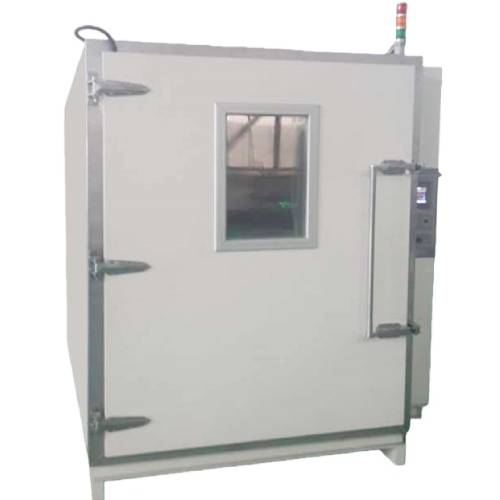
Working Principle of the Photovoltaic Acid Mist Test Chamber
1. Simulation of Acidic Atmospheric Environments
The core function of the Photovoltaic Acid Mist Test Chamber is to simulate the acidic atmospheric conditions that photovoltaic products may encounter during actual service. These environments are typically formed when acidic gases, such as sulfur dioxide (SO₂) and nitrogen oxides (NOₓ) generated from industrial emissions and vehicle exhaust, combine with water vapor to produce acid mists, including sulfuric acid mist and nitric acid mist.
These acidic mists are highly corrosive to metallic materials, protective coatings, and electronic components, potentially causing problems such as surface oxidation, coating delamination, and electrical short circuits.
2. Gas Generation and Concentration Control
The test chamber is equipped with a built-in gas generation system that mixes gases such as sulfur dioxide (SO₂) or nitrogen dioxide (NO₂) with compressed air to create acidic atmospheres at specific concentrations.
Gas concentration is a critical parameter in environmental simulation and is typically set according to actual service conditions or relevant standards, such as IEC 61215. For example, certain standards may require the simulation of environments containing 0.1% to 1% SO₂ concentration.
Through precise gas flow regulation and concentration monitoring systems, the chamber ensures that the gas concentration remains stable at the preset value, with a deviation of no more than ±5%.
3. Temperature and Humidity Control
Temperature and humidity are two of the most important factors affecting corrosion rates.
The Photovoltaic Acid Mist Test Chamber is equipped with an advanced temperature and humidity control system capable of simulating a wide temperature range from -40°C to 85°C and relative humidity conditions ranging from 30% to 98% RH.
Under high-temperature and high-humidity conditions, the corrosive effects of acid mist become significantly more severe. Therefore, precise control of these parameters is essential for reproducing the harshest operating environments.
The temperature control accuracy typically reaches ±0.5°C, while humidity control accuracy is maintained within ±2% RH, ensuring the stability and repeatability of the test conditions.
4. Accelerated Corrosion Process
By controlling the concentration of acidic gases, temperature, and humidity, the Photovoltaic Acid Mist Test Chamber accelerates the corrosion process.
Under natural environmental conditions, it may take several years or even longer for photovoltaic products to exhibit obvious signs of corrosion. However, within the test chamber, this process can be shortened to just a few days or weeks.
This accelerated corrosion method is based on the Arrhenius equation, which describes the relationship between temperature and the rate of chemical reactions. By increasing the temperature, the corrosion reaction rate can be significantly accelerated, allowing the corrosion resistance of photovoltaic products to be evaluated within a much shorter period.
5. Monitoring and Evaluation
The test chamber is equipped with a corrosion monitoring system capable of continuously monitoring the corrosion status of the test specimens in real time.
These monitoring systems may include optical sensors, electrochemical sensors, and other detection technologies to identify corrosion products on specimen surfaces, evaluate coating delamination, and monitor changes in electrical performance.
Based on the collected data, the corrosion resistance of photovoltaic products can be comprehensively assessed, providing valuable insights and technical support for product optimization and design improvement.
Operating Procedure of the Photovoltaic Acid Mist Test Chamber
The Photovoltaic Acid Mist Test Chamber is primarily used to simulate coastal high-salinity and acidic environments to evaluate the corrosion resistance of photovoltaic modules. The following is a detailed introduction to its operating procedure, helping readers gain a deeper understanding of this equipment.
I. Preparation Before Testing
1. Equipment Inspection
Power Supply and Air Source:
Ensure that the power supply is properly connected and that the compressed air pressure remains stable within the range of 0.4–0.6 MPa.
Water Level Check:
Fill the water tank at the bottom of the chamber with distilled or deionized water to the specified level, usually until the low-water-level indicator turns off. Add distilled water to the saturator (air heater) and maintain the water level at approximately 4/5 of the sight glass height to prevent the heating element from operating dry.
Seal Inspection:
Ensure that an appropriate amount of distilled water is present in the water seal groove around the chamber lid. The water should not overflow after the lid is closed, thereby maintaining proper chamber sealing.
Pipeline Inspection:
Check that the exhaust pipe is unobstructed and connected to the drainage system. Ensure that the connecting pipes between the spray tower and the mist collector are free from blockage.
2. Solution Preparation
Prepare the test solution according to the applicable testing standard.
Neutral Salt Spray (NSS):
Use a 5% sodium chloride (NaCl) solution, with the pH adjusted to 6.5–7.2.
Acetic Acid Salt Spray (AASS/CASS):
To simulate acidic environments, add glacial acetic acid or copper chloride to the salt solution and adjust the pH to 3.1–3.3.
Pour the prepared solution into the solution reservoir through the filling port until the low-solution indicator light turns off.
II. Specimen Placement
1. Specimen Pretreatment
Clean the surface of the photovoltaic modules to remove grease, dust, and other contaminants. If necessary, apply edge protection treatment.
2. Placement Requirements
Place the specimens on the V-shaped specimen rack with an inclination angle of 15°–30°. Ensure that the test surface faces upward and does not come into contact with the chamber walls or other metallic components.
3. Spacing Control
Maintain a minimum spacing of 20 mm between specimens to prevent mutual shielding of salt mist and cross-contamination from condensate droplets. For large photovoltaic modules, a spacing of 50 mm or more is recommended.
III. Parameter Setting and Test Start-Up
1. Power-On Self-Test
Turn on the main power supply and activate the control panel switch. The chamber will perform a self-diagnostic check to confirm that no fault alarms are present.
2. Temperature Settings
Chamber Temperature:
Typically set to 35°C ± 2°C, depending on the test standard.
Saturator Temperature:
Usually set to 47°C ± 1°C to ensure that the air entering the spray nozzle reaches saturated humidity and is preheated.
3. Time Settings
Set the total test duration according to the testing requirements, such as 24 h, 48 h, or 96 h, and select the spray mode, either continuous or intermittent spraying.
4. Starting the Test
After confirming that all water-level indicators are off and the parameters have been correctly configured, press the "Start" button. The chamber will begin preheating and automatically initiate spraying once the preset temperature is reached.
IV. Monitoring During the Test
1. Deposition Rate Monitoring
Check the salt spray collection rate in the collector once every hour. The standard deposition rate is generally 1–2 mL/(80 cm²·h).
If significant deviations occur, adjust the spray pressure or nozzle height accordingly.
2. Status Observation
Observe the spraying condition through the viewing window regularly to ensure that the mist particles are fine and evenly distributed, without large droplets or direct water jets.
3. Data Recording
Periodically record chamber temperature, humidity, pressure gauge readings, and changes in specimen appearance, such as blistering, discoloration, or the occurrence of corrosion spots.
4. Solution Maintenance
During the test, regularly check the pH value and concentration of the test solution. If turbidity, precipitation, or excessive pH deviation is detected, replace the solution immediately.
V. Test Completion and Post-Test Procedures
1. Shutdown Procedure
After the test is completed:
Turn off the spray function first.
When the chamber temperature falls below 40°C, switch off the heating system and main power supply.
Open the exhaust valve to release any residual mist inside the chamber.
2. Specimen Removal
Carefully remove the photovoltaic modules. Gently rinse the salt deposits from the specimen surface using running warm water not exceeding 35°C, followed by rinsing with distilled water.
Allow the specimens to recover under standard indoor atmospheric conditions for 2 hours.
3. Result Evaluation
After recovery, perform:
Visual inspection,
Electrical performance testing, and
Insulation resistance testing,
to determine whether the specimens meet the acceptance criteria.
4. Equipment Cleaning
Drain any remaining solution from the reservoir and chamber.
Thoroughly rinse the chamber walls, specimen racks, and water seal grooves with clean water to prevent salt crystallization and equipment corrosion.
Clean the spray nozzle assembly using a soft brush or ultrasonic cleaning method to remove crystallized deposits. Metal tools must not be used for scraping.
Dry the interior of the chamber completely and keep it clean and dry for future use.
Precautions
Operators should wear protective goggles and gloves to avoid direct contact with acidic or highly concentrated salt solutions.
If the equipment will remain out of service for an extended period, drain all water circuits, purge the pipelines with compressed air, and store the chamber in a dry and well-ventilated area with a dust cover in place.
Importance of the Photovoltaic Acid Mist Test Chamber
By simulating highly corrosive environments such as coastal regions and industrial pollution zones, the Photovoltaic Acid Mist Test Chamber performs accelerated corrosion testing on photovoltaic modules and mounting structures. Its importance is mainly reflected in the following four aspects:
1. Ensuring Electrical Safety and Insulation Performance
Chloride ions present in acid mist or salt spray can penetrate protective metal layers, causing corrosion of module frames and electrical terminals. These ions may also accumulate on insulating surfaces, reducing their surface resistance and increasing the risk of electrical leakage or short circuits.
Acid mist testing helps identify potential insulation failures at an early stage, thereby preventing electric shock hazards and reducing the possibility of equipment fire accidents.
2. Verifying Structural Integrity and Mechanical Strength
Corrosion can significantly weaken the mechanical strength of metallic components such as aluminum alloy frames and mounting brackets, making them more susceptible to fracture, deformation, or connection loosening under wind loads and vibration conditions.
Through accelerated aging tests, the chamber evaluates the durability of protective treatments and coatings, such as anodizing and surface coatings, ensuring that photovoltaic modules maintain structural stability throughout their expected 25-year service life.
3. Maintaining Power Generation Efficiency and Output Performance
Corrosion-induced poor electrical contact can increase series resistance, leading to power degradation. In addition, acidic gases attacking backsheet materials or encapsulation layers may cause microcracks and reduce light transmittance.
The test results are directly related to the long-term energy yield reliability of photovoltaic modules, helping manufacturers avoid hidden revenue losses caused by corrosion during operation.
4. Meeting Market Access Requirements and Application-Specific Needs
According to relevant IEC standards, different corrosion severity levels correspond to different application environments. For example, neutral salt spray levels 1–7 and acid salt spray level 8 represent varying service conditions ranging from coastal regions to heavily industrialized areas.
Passing these corrosion tests has become a mandatory requirement for photovoltaic products intended for installation in coastal power plants and harsh environmental conditions. It also serves as an important basis for reducing warranty claims, minimizing after-sales risks, and enhancing brand credibility.
Conclusion
In summary, the Photovoltaic Acid Mist Test Chamber, as a professional environmental simulation testing system, is not only an indispensable tool during the research and development of photovoltaic modules but also a core component of an effective product quality control system.It enables manufacturers to accurately simulate severe acidic corrosion environments, verify the durability and reliability of products under long-term outdoor exposure, and ultimately supports the photovoltaic industry's continuous pursuit of higher quality standards and more stable performance.We sincerely invite industry professionals, business partners, and potential customers to contact us through comments or direct inquiries. We would be pleased to provide detailed technical information, customized testing solutions, and professional application support tailored to your specific requirements.
Previous: What is a Multi-Function Thermal Constants Analyzer?
N e x t : What Is a Luminous Afterglow Performance Tester?
