





What is wash fastness?
2026/06/17
Share:

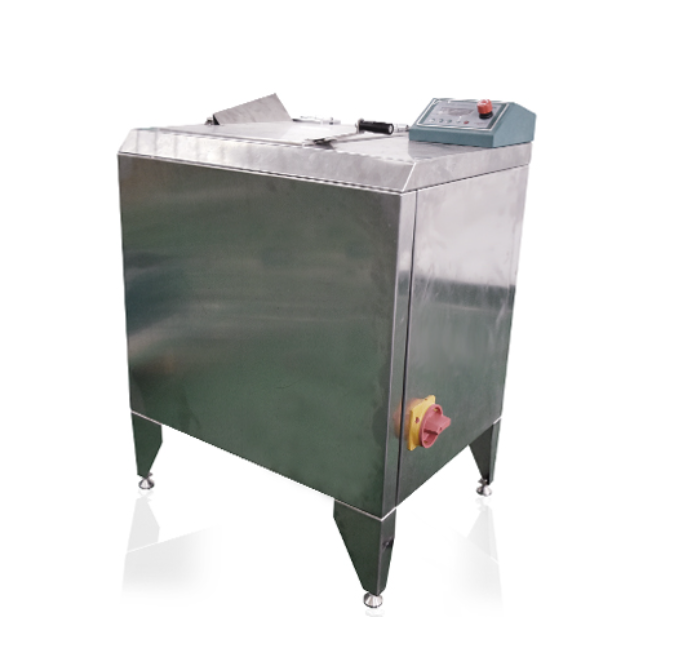
Overview of Color Fastness to Washing Testers
1. Main Types of Color Fastness to Washing Testers
The most commonly used color fastness to washing testing equipment in textile laboratories can generally be divided into the following three categories:
Rotary-Type Testers:
These instruments simulate the washing process through the rotation of an inner container. The rotation speed and water temperature can be adjusted according to testing requirements, making them ideal for batch testing and routine quality control.
Reciprocating Friction Testers:
Equipped with a mechanical arm that drives the specimens in a back-and-forth motion, these testers provide precise control over the number of rubbing cycles and the applied force, ensuring highly repeatable test results.
Multi-Function Combination Machines:
These advanced systems integrate washing, drying, and grading functions into a single unit. Some high-end models also support automatic color difference analysis, significantly improving testing efficiency and reducing human error.
2. Comparison of Core Instrument Functions
When selecting a suitable instrument, it is important to pay attention to the distinctive features offered by different models:
Temperature Control Accuracy:
Instruments with a temperature accuracy of ±1°C may produce significantly different results compared with those offering ±3°C, especially when conducting standardized testing.
Loading Capacity:
Available models range from single-specimen units to systems capable of testing up to 20 sets of samples simultaneously, catering to laboratories of different testing volumes.
Simulation of Washing Action:
Some premium instruments allow users to customize parameters such as the intensity of water turbulence, enabling a closer simulation of actual laundering conditions.
Data Recording and Management:
Modern equipment is often equipped with touch-screen interfaces and USB data export functions, facilitating convenient data storage, traceability, and report generation.
3. Practical Suggestions for Instrument Selection
When choosing a Color Fastness to Washing Tester, the following factors should be carefully considered based on your actual testing requirements:
Testing Frequency:
Laboratories conducting more than five tests per week are advised to choose models featuring durable metal inner containers to ensure long-term reliability.
Sample Dimensions:
If oversized or specially shaped textile samples need to be tested, verify in advance that the instrument's specimen holders and fixtures are compatible with the required dimensions.
Future Expansion Requirements:
Consider whether additional testing capabilities, such as perspiration fastness, seawater fastness, or other color fastness evaluations, may be required in the future.
Maintenance Costs:
It is advisable to understand the replacement intervals and prices of consumables and wear parts to accurately assess the long-term operating costs of the equipment.
By understanding the characteristics and capabilities of different Color Fastness to Washing Testers, laboratories and manufacturers can select the most suitable solution for their testing needs, thereby ensuring reliable quality control, improving testing efficiency, and delivering textile products with superior color durability and appearance.
Features and Advantages of the Color Fastness to Washing Tester
Features
1. Intelligent Microcomputer Control with Touch-Screen Operation
The instrument adopts an advanced microcomputer control system with a touch-screen interface for data input and display. Guided by an intuitive operating interface, users can easily select from more than 60 preset testing programs to automatically complete time and temperature settings. Manual parameter adjustment is also available, enabling users to control drainage, reset the timer, modify the date and time, adjust screen brightness, view temperature–time curves, and perform jog, run, and stop operations. The simple and user-friendly design makes operation clear and straightforward.
2. Dry-Heating Protection Function
Equipped with a non-contact sensing switch, the instrument features an effective anti-dry-burning protection system. In the event of insufficient water supply, the heating function will not be activated, thereby preventing damage caused by dry heating and effectively protecting the instrument from burnout.
3. Motor Thermal Protection Function
During prolonged continuous operation, if the motor temperature reaches the preset safety threshold, the system automatically enters protection mode and stops the motor. Operation resumes only after the temperature has dropped to a safe level. This function effectively prevents unnecessary equipment damage and minimizes economic losses resulting from overheating.
4. Intelligent Heating Control and Stable Performance
The heating system is controlled by a microcomputer with an intelligent program design, ensuring precise temperature regulation and minimizing temperature fluctuations. The instrument offers excellent anti-interference capability and supports long-term, uninterrupted operation around the clock. The main control circuit uses solid-state relays to control the heating elements, eliminating mechanical contacts, reducing operating noise, and extending service life. In addition, the instrument provides an automatic alarm function that displays reminders and activates an audible buzzer when the preset testing time is reached.
5. Independent Dual-Chamber Design
The instrument is equipped with two independently controlled working chambers. Each chamber can separately execute testing programs, control testing time and water temperature, and perform drainage functions without interfering with the other. This design enables operators to conduct tests according to different standards simultaneously, significantly improving testing efficiency and laboratory productivity.
Advantages
As an essential testing instrument in the textile industry, the Color Fastness to Washing Tester offers significant advantages in terms of accuracy, efficiency, automation, and data traceability.
High Accuracy and Reliable Results
The instrument utilizes advanced sensing and high-precision control technologies to accurately evaluate color changes in textiles during the washing process. This ensures the scientific validity, consistency, and reliability of the test results, providing dependable support for quality assessment.
Improved Testing Efficiency
By optimizing washing procedures and parameter settings, the Color Fastness to Washing Tester significantly reduces testing time and increases laboratory throughput. Its efficient operation allows laboratories to handle a larger number of samples within shorter periods.
High Degree of Automation
The instrument is designed to streamline the testing process through automated operation. From washing procedures to result monitoring and evaluation, automation minimizes human intervention and reduces operator-induced errors, thereby improving the repeatability and consistency of test outcomes.
Compatibility with Multiple Testing Standards
The tester supports a variety of international and industry testing standards and operating modes, enabling it to meet diverse color fastness evaluation requirements across different sectors. This flexibility provides strong technical support for comprehensive product quality control.
Comprehensive Data Management and Traceability
Equipped with data storage and analysis capabilities, the instrument can automatically record testing information and generate detailed test reports. This facilitates data analysis, quality monitoring, and result traceability, helping quality management personnel maintain complete testing records and improve management efficiency.
Enhanced Safety and Long-Term Reliability
Integrated safety features, including dry-heating prevention, motor thermal protection, alarm notifications, and solid-state relay technology, ensure stable operation, extend equipment service life, and reduce maintenance costs over the long term.
With its intelligent control system, reliable performance, and comprehensive functionality, the Color Fastness to Washing Tester has become an indispensable tool for textile manufacturers, testing laboratories, research institutions, and quality inspection organizations seeking accurate, efficient, and standardized color fastness evaluation.
Testing Methods and Maintenance Recommendations for the Color Fastness to Washing Tester
Working Principle
The Color Fastness to Washing Tester evaluates the resistance of dyed or printed textiles to color change during laundering by simulating the physical and chemical conditions encountered in actual washing processes. During testing, textile specimens are exposed to water and specific washing agents while being subjected to controlled mechanical action and chemical interaction. These combined effects accelerate any potential color change, fading, staining, or dye migration that may occur during use.
After the test is completed, the color difference between the tested specimen and its original state is assessed to determine the color fastness rating. The evaluation is typically carried out by comparing the specimen with standardized gray scales under a standard light source. In some laboratories, color measurement instruments such as spectrophotometers or colorimeters are also used to provide objective analysis and improve the accuracy of the assessment.
Testing Methods
1. Color Fastness to Washing
Test Method:
Place the test specimen into the Color Fastness to Washing Tester. Set the required washing temperature and washing duration according to the relevant testing standard, and start the test program. After the test cycle is completed, remove the specimen and dry it in an oven. The dried specimen is then evaluated in a standard light box by comparing it with the appropriate gray scale to determine the degree of color fading.
Purpose:
To evaluate the color fastness performance of textiles when subjected to washing under cold or warm water conditions.
2. Color Fastness to Soaping
Test Method:
Place the test specimen into the tester and add an appropriate detergent solution, such as washing powder, liquid detergent, or soap powder, to the test bath. Set the specified water temperature and washing time, then initiate the testing procedure. Upon completion, remove the specimen and dry it in an oven. Finally, compare the specimen with the gray scale in a standard light source cabinet to assess the extent of color change and fading.
Purpose:
To determine the resistance of textile dyes to fading and staining during washing in the presence of detergents.
3. Color Fastness to Chlorine Bleaching
Some garments may experience severe discoloration when exposed to sodium hypochlorite-containing disinfectants, such as household bleach solutions. Therefore, chlorine bleach fastness testing is necessary to evaluate the resistance of textile dyes to sodium hypochlorite solutions.
Test Method:
Place the test specimen into the Color Fastness to Washing Tester and prepare a test solution containing sodium hypochlorite bleach. Set the required washing temperature and testing duration according to the applicable standard, then start the test program. After the test is completed, remove the specimen and dry it in an oven. The dried specimen is subsequently assessed in a standard light box by comparing it with the gray scale to determine the degree of fading.
Purpose:
To evaluate the color fastness performance of textile dyes when exposed to sodium hypochlorite bleaching solutions.
Maintenance and Care Recommendations
Regular Calibration
The instrument should be calibrated periodically to ensure the accuracy and reliability of test results. It is recommended that calibration and performance verification be conducted at least once every six months, or more frequently if required by laboratory quality management procedures.
Keep the Instrument Clean
After each testing cycle, the testing chamber and related accessories should be thoroughly cleaned to remove detergent residues and contaminants. Proper cleaning helps prevent cross-contamination and ensures the consistency of subsequent tests.
Software Updates
The instrument software should be checked and updated regularly to obtain the latest testing functions, performance improvements, and data analysis capabilities. Updated software can also enhance operational stability and compatibility with evolving testing requirements.
Monitor Operating Conditions
Before each use, inspect the instrument to ensure that all components are functioning properly. If abnormal noise, unusual vibrations, temperature irregularities, or operational malfunctions are observed, discontinue use immediately and seek assistance from qualified maintenance personnel to avoid further damage.
The Importance of the Color Fastness to Washing Tester
1. Ensuring Product Quality
Color fastness to washing testing enables manufacturers and brands to verify that their products meet established quality requirements. Stable color fastness is one of the most important indicators of textile quality, ensuring that fabrics do not suffer from excessive fading, discoloration, or color change during use and repeated laundering. By identifying potential color stability issues before products reach the market, manufacturers can maintain consistent product quality and reduce customer complaints.
2. Meeting Market Expectations
Consumers today have increasingly high expectations regarding the color durability of textile products, especially for garments, home textiles, and other products that come into direct contact with the skin. Conducting color fastness to washing tests helps ensure that products retain their original appearance and color vibrancy throughout prolonged use and repeated cleaning cycles, thereby meeting consumer demands and enhancing customer satisfaction.
3. Enhancing Brand Reputation
Color performance is closely linked to a brand's reputation. Products that maintain their appearance after repeated washing are more likely to earn consumer trust and loyalty. By implementing rigorous color fastness testing procedures, brands can demonstrate their commitment to quality, deliver reliable products to the market, strengthen customer confidence, and enhance their overall brand image.
4. Fulfilling Regulatory and Compliance Requirements
Many industries impose strict requirements regarding the color fastness performance of textile products, particularly those associated with health and safety, such as children's clothing, infant products, and toys containing textile components. Color fastness to washing testing helps manufacturers verify compliance with applicable regulations and international standards, ensuring that products satisfy both legal requirements and industry specifications before entering the market.
5. Improving Manufacturing Processes
In addition to evaluating color durability, color fastness testing can help identify potential defects and weaknesses in textile production processes. By analyzing test results, manufacturers can better understand the causes of color fastness failures that may occur during laundering and implement corrective actions, such as optimizing dye selection, refining dyeing procedures, or adjusting finishing processes. These improvements ultimately enhance product quality, consistency, and reliability.
Conclusion
In summary, the Color Fastness to Washing Tester plays an indispensable role in the textile industry. It not only provides an effective means of evaluating the color stability of textile products but also offers reliable data support for quality control, regulatory compliance, and continuous process improvement. By helping manufacturers deliver durable and high-quality products, the instrument contributes significantly to strengthening market competitiveness and building long-term consumer trust.As market demands continue to evolve and testing technologies advance, the Color Fastness to Washing Tester is expected to play an even more important role in the future of textile quality assurance. We sincerely welcome you to leave a message or contact us directly. By understanding your specific testing requirements, we will be pleased to provide you with more detailed product information and professional solutions tailored to your needs.
Previous: How Can You Find the Best Pharmaceutical Stability Chamber for Your Needs?
N e x t : What is the Manikin Breathing System?
