





What is a rain test?
2026/06/23
Share:

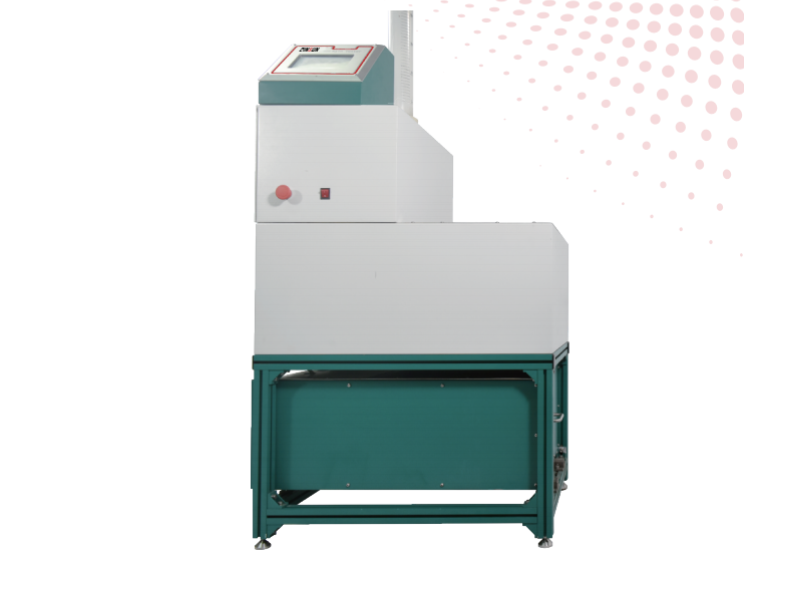
Core Concepts: IP Protection Ratings and Rain Testing Principles
The primary function of a Rain Tester is to simulate natural rainfall conditions and verify the waterproof performance of products. This process is based on the internationally recognized IP (Ingress Protection) rating system, which is defined by IEC standards. An IP rating consists of two digits: the first digit indicates the level of protection against solid foreign objects, while the second digit represents the degree of water resistance. For example, IPX5 indicates that a device can withstand water jets projected from a nozzle at low pressure, whereas IPX6 corresponds to protection against powerful water jets. By precisely controlling water pressure, flow rate, and spray angle, a Rain Tester reproduces real rainfall impact conditions and helps evaluate the sealing effectiveness of product enclosures.
The operating principle of rain testing involves fluid dynamics and standardized testing parameters. Rain Testers are typically equipped with specialized nozzle systems that spray water at specified angles to simulate different rainfall intensities. Key parameters include:
Water Pressure Range: Typically between 30–100 kPa, depending on the requirements of different IP protection ratings.
Flow Rate Control: Accurate regulation of water volume ensures test consistency and repeatability.
Test Duration: Standard tests are generally conducted for several minutes to simulate continuous exposure to rain.
In addition, UL standards provide supplementary safety requirements to ensure that the testing process itself does not damage the equipment under evaluation. These standards emphasize realistic environmental simulation rather than simply applying water pressure. Understanding these principles helps users minimize testing errors, as uneven water distribution or improperly controlled parameters may lead to inaccurate and inconsistent results.
Main Application Areas of Waterproof Rain Testers
Waterproof Rain Testers are widely used across various industries to evaluate the water resistance and sealing performance of products under simulated rainfall conditions. Their major application areas include the following:
1. Electronics and Electrical Appliance Industry
This sector covers both consumer electronics and household appliances. Consumer electronic products such as smartphones, tablets, and smartwatches undergo rain testing to verify the waterproof integrity of their housings, screen-to-body interfaces, and internal circuit boards. Kitchen appliances, including microwave ovens, ovens, and dishwashers, as well as bathroom electrical appliances, also require rain testing to ensure the water resistance of enclosures, control panels, door seals, and other critical components, thereby preventing electrical leakage, short circuits, and related safety hazards.
2. Automotive Industry
In the automotive industry, Waterproof Rain Testers are used for complete vehicle waterproof evaluations. By simulating rainfall at different intensities and spray angles, they assess the sealing performance of vehicle bodies and identify potential leakage points around doors, windows, sunroofs, weld seams, and other structural components. In addition, automotive parts such as headlights, window sealing strips, and vehicle sensors are subjected to waterproof testing to ensure reliable operation under rainy conditions.
3. Aerospace Industry
Within the aerospace sector, Waterproof Rain Testers are utilized to verify the waterproof performance of aircraft structures. They help inspect fuselage skins, riveted joints, hatch seals, and other critical areas to prevent moisture ingress and corrosion of metallic structures. These systems are also employed to test the water resistance of avionics equipment, ensuring that airborne radar systems, communication devices, and other electronic components maintain normal operation under adverse weather conditions.
4. Outdoor Equipment and Building Materials Industry
For outdoor equipment such as lighting fixtures, surveillance cameras, and solar energy systems, rain testing is conducted to evaluate the waterproof performance of housings, lamp covers, electrical assemblies, and connection interfaces. In the building materials industry, Waterproof Rain Testers are used to assess the water resistance of exterior wall coatings, roofing membranes, doors, windows, and sealing materials, helping determine their resistance to water penetration, durability, and adhesion to substrates.
5. Other Industries
Additional applications include military equipment and medical devices. Military products such as firearms, artillery systems, missile launchers, and military communication equipment require rain testing to ensure operational reliability under wet weather conditions. In the medical field, electronic devices such as ultrasound diagnostic systems, patient monitors, and in-vitro diagnostic reagent packaging also undergo waterproof testing to safeguard medical operations and ensure patient safety.
How to Use a Waterproof Rain Tester
1. Preliminary Preparation
Before conducting a waterproof test with a Rain Tester, it is essential to accurately determine the dimensions and weight of the specimen to ensure that it fully complies with the test requirements. At the same time, a stable and vibration-free workbench should be selected, and the test specimen should be securely positioned on it. Critical components, such as power outlets and electrical connections, should also be carefully inspected to ensure safe and reliable operation and to eliminate potential safety hazards.
2. Installation of the Test Equipment
Position the Rain Tester steadily in front of the test specimen. According to the testing requirements, carefully adjust its location and angle to ensure that the spray nozzles remain parallel to the surface of the specimen. Next, properly connect the specimen's power supply plug to the corresponding socket of the waterproof testing system, ensuring a secure and stable connection without looseness.
3. Test Parameter Setting
Set the testing parameters of the Rain Tester according to the specified waterproof rating requirements of the specimen. In general, products designed to meet IPX3 and IPX4 protection ratings require both water spray and splashing water tests. Therefore, key parameters such as water pressure, spray volume, spray angle, and test duration should be accurately configured to ensure full compliance with the applicable testing standards.
4. Starting the Test
After confirming that the specimen is properly positioned and all testing parameters have been correctly configured, press the start button on the Rain Tester to initiate the waterproof testing procedure. During the test, operators should closely monitor the operating condition of the specimen, paying particular attention to any abnormal phenomena, such as water leakage or ingress, and record all observations in detail for subsequent evaluation.
5. Completion of the Test
Once the Rain Tester completes the entire testing cycle according to the preset program, it will stop automatically. At this stage, the operator should carefully remove the specimen from the testing area and conduct a thorough inspection of its waterproof performance in accordance with relevant standards. If the specimen fails to meet the required waterproof criteria, qualified personnel should promptly carry out repairs or replace defective components to ensure that the product achieves the intended level of water resistance.
Practical Tips for Selecting a Waterproof Rain Tester
When selecting a Waterproof Rain Tester, purchasing decisions should be based on specific testing requirements rather than market trends alone. The following key considerations can help users make an informed and objective choice:
1. Compliance with Relevant Standards
Priority should be given to equipment that complies with internationally recognized standards, such as IEC and UL requirements. Carefully review the product documentation to confirm that applicable certifications and testing capabilities are clearly stated. Choosing non-standard equipment may result in invalid or non-compliant test results.
2. Accuracy and Reliability
Evaluate the precision of the Rain Tester's water flow and pressure control systems. As a general guideline, the flow rate deviation should be less than ±5% to ensure repeatable and consistent test results. User feedback, calibration certificates, or third-party verification reports can also provide valuable references for assessing equipment reliability.
3. Brand Reputation and Manufacturing Background
The manufacturer's industry experience, brand reputation, and production capabilities should be taken into consideration. Established brands often possess more mature research and development systems, stable manufacturing processes, and proven application experience. At the same time, users are advised to verify production origin information and quality management practices to ensure product consistency.
4. Suitability and Expandability
The selected model should match the intended testing application. Compact systems are generally suitable for laboratory environments and small-scale product evaluations, while larger rain test chambers are better suited for outdoor equipment and full-scale waterproof simulations. Although customized configurations are optional, standard models should be capable of covering commonly required IP protection level tests.
5. After-sales Support and Cost-effectiveness
When comparing equipment prices, users should focus on long-term value rather than simply pursuing the lowest purchase cost. Selecting suppliers that offer comprehensive technical assistance, calibration services, spare parts support, and warranty coverage can effectively minimize maintenance-related downtime and ensure the continuity of testing operations.
By considering these factors, users can identify testing solutions that balance performance, reliability, and investment costs, ultimately improving product development efficiency and enhancing overall quality assurance capabilities.
Significance of Waterproof Rain Testers
Core Importance
1. Ensuring Product Safety and Reliability
Waterproof Rain Testers simulate real rainfall and heavy rain conditions to verify the sealing performance of electronic components, automotive parts, textiles, and other products. They help prevent failures caused by water ingress, such as short circuits, corrosion, and functional malfunctions, thereby directly contributing to product safety and operational reliability.
2. Meeting International Compliance Requirements
Rain testing is an essential step for products seeking certification under international standards such as IPX3/IPX4. textile water repellency requirements, and ISO specifications. Successful completion of these tests is often a prerequisite for legal market access and product commercialization in many regions around the world.
3. Optimizing Product Design and Reducing Costs
By identifying potential design deficiencies—such as defective seals, inadequate drainage systems, or blocked drainage holes—during the research and development stage, manufacturers can make timely improvements before mass production. This proactive approach helps prevent costly product recalls, reduces after-sales maintenance expenses, and enhances overall product quality.
4. Providing Quantifiable Quality Data
Rain Testers transform the qualitative concept of “waterproof performance” into measurable and objective data. By utilizing methods such as absorbent paper weight analysis, water collection measurements, or penetration time monitoring, they generate precise information regarding water ingress and moisture penetration. These data provide a scientific basis for material optimization, product development, and quality improvement.
Conclusion
In conclusion, with continuous technological advancements and the ongoing development of the textile industry, the application of Waterproof Rain Testers is expected to become increasingly widespread, and their importance will continue to grow. Therefore, greater emphasis should be placed on the development and utilization of rain testing technologies to provide stronger assurance for the waterproof performance of textile products and other water-resistant applications.We sincerely welcome you to leave a message or contact us directly. Our team will be pleased to provide you with more detailed product information, technical specifications, and customized testing solutions tailored to your specific requirements.
Previous: What is a high-temperature aging chamber?
N e x t : What is a textile fiber composition analyzer?
