





What is a fabric washing shrinkage testing machine?
2026/06/25
Share:

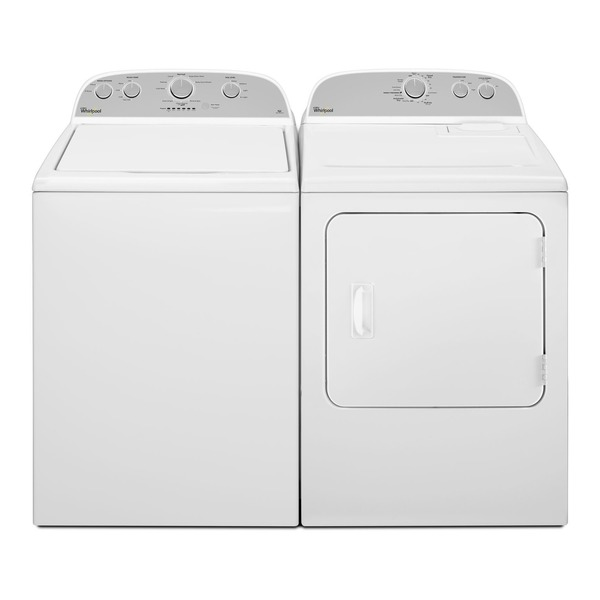
Functions and Features of the Fully Automatic Shrinkage Test Machine
1. Main Functions
Washing Test:
Simulates different washing conditions such as water temperature, washing time, detergent type, etc., to perform standardized washing on test samples.
Spin (Dehydration) Test:
Removes moisture from the samples through high-speed rotation, simulating the centrifugal dewatering process.
Drying Test:
Simulates natural drying or tumble drying processes to complete the drying stage of the sample.
Dimensional Measurement:
Precisely measures the dimensions of the sample before and after washing, and calculates the fabric shrinkage rate.
2. Technical Features
High Degree of Automation:
Fully automatic operation reduces human intervention, significantly improving testing efficiency and accuracy.
Multiple Program Control:
Built-in multiple washing programs allow selection according to different testing standards.
Precise Parameter Control:
Accurately controls parameters such as water temperature, washing time, and rotation speed to ensure consistency of testing conditions.
Data Recording and Analysis:
Automatically records test data and generates reports, facilitating analysis, traceability, and archiving.
Safety and Reliability:
Equipped with overload protection and leakage protection functions to ensure safe operation of the equipment.
Technical Advantages and Applications of the Fully Automatic Fabric Shrinkage Test Machine
In the textile and apparel industry, fabric shrinkage is one of the key indicators for evaluating product quality. A high-performance fully automatic shrinkage test machine not only enables precise measurement of fabric shrinkage properties but also plays a crucial role in driving industry development.
1. Significant Technical Advantages of the Fully Automatic Shrinkage Test Machine
First, it features a very high level of automation. From sample loading, test condition setup, and test execution to final data acquisition and analysis, the entire process can be completed automatically by the machine. This greatly reduces human error and labor intensity, while significantly improving testing accuracy and efficiency. In traditional shrinkage testing, slight variations in manual operation may lead to deviations in results, whereas the fully automatic system operates strictly according to preset standard procedures, ensuring consistency and reliability of every test.
Second, the machine is equipped with advanced control and monitoring systems. Through precision sensors and intelligent algorithms, it can monitor key parameters in real time, such as temperature, humidity, time, and mechanical forces, and make precise adjustments according to standard requirements. For example, when simulating fabric shrinkage under different washing conditions, it can accurately control water temperature, washing time, and agitation intensity, making the test results closer to real-life usage scenarios.
Furthermore, it has powerful data processing and analysis capabilities. The system can quickly and accurately process large volumes of test data and generate detailed reports. These reports not only include shrinkage values but also provide multidimensional analysis such as dimensional change trends and shrinkage differences across different fabric areas, offering strong data support for product development, quality control, and process optimization.
2. Wide Applications in Practical Use
In practice, the fully automatic shrinkage test machine is widely used throughout the textile and apparel industry chain.
For fabric manufacturers, it is a key device for quality control. By testing shrinkage rates of different batches and types of fabrics, manufacturers can quickly identify production issues, adjust processes, and ensure stable product quality.
For garment manufacturers, the machine helps optimize garment patterns and production processes. By understanding fabric shrinkage behavior, companies can reserve appropriate allowances during cutting and sewing to prevent size deviations after washing. It also helps in selecting suitable fabrics based on shrinkage performance, thereby improving product quality and customer satisfaction.
In addition, research institutions and quality inspection agencies also rely on this equipment. Researchers use it for the development and performance evaluation of new textile materials, while inspection authorities use it to test and regulate product quality in the market.
With its advanced technical advantages, the fully automatic fabric shrinkage test machine plays an irreplaceable role in quality control, product development, and market supervision within the textile industry, effectively promoting high-quality development across the entire sector.
Importance of Fully Automatic Fabric Shrinkage Test Machines in Ensuring Garment Quality
In the highly competitive apparel market, product quality is one of the core concerns of consumers. The fully automatic fabric shrinkage test machine plays an irreplaceable role in ensuring garment quality.
1. Accurate Shrinkage Testing as the Foundation of Garment Quality Assurance
Different fabrics exhibit varying degrees of shrinkage after routine care processes such as washing and drying. The fully automatic shrinkage test machine can simulate real-life laundering conditions after garment use by precisely controlling parameters such as temperature, humidity, and washing time to conduct standardized testing on fabrics.
For example, for cotton fabrics, the machine can accurately measure shrinkage rates under specific washing conditions, providing precise data for garment manufacturers. Based on these results, companies can reasonably add allowances during cutting and sewing processes, effectively preventing issues such as size reduction or deformation after consumer washing. This ensures garment fit and wearing comfort.
2. Effective Reduction of Defect Rates
Without accurate control of shrinkage behavior, manufacturers relying solely on experience may produce a large number of defective garments due to shrinkage issues. These defects not only waste raw materials and increase production costs but also reduce production efficiency and profitability.
By using a fully automatic shrinkage test machine, companies can conduct strict shrinkage testing for each batch of fabric before production. If the shrinkage rate exceeds acceptable standards, manufacturers can promptly adjust production processes or replace materials. This helps reduce defects at the source, improve product yield, lower production costs, and enhance overall competitiveness.
3. Enhancing Brand Reputation
Consumers not only care about style and price but also pay close attention to the dimensional stability and durability of garments. If clothing experiences severe shrinkage or deformation after washing, it will lead to negative customer perception and damage brand reputation and market share.
By applying fully automatic shrinkage testing technology, companies can effectively control shrinkage-related quality issues and deliver garments with stable dimensions and reliable quality. Over time, this helps build a strong brand image, increase consumer trust and loyalty, and support sustainable brand development.
In summary, the fully automatic fabric shrinkage test machine, with its precise testing capability, defect reduction function, and brand-enhancing value, has become an indispensable part of the garment quality assurance system. It continues to drive the apparel industry toward higher-quality development.
Purchasing Recommendations for Fully Automatic Fabric Shrinkage Test Machines
Testing Standards:
Selection should be strictly based on specific testing requirements. Priority should be given to equipment that complies with relevant international or domestic authoritative standards and specifications, ensuring standardized testing procedures and valid, reliable results.
Testing Range:
It is essential to fully confirm the equipment’s testing capacity, including key parameters such as maximum sample size and load-bearing capability, to ensure that it can fully meet actual testing requirements.
Accuracy and Stability:
Preference should be given to machines with high measurement accuracy and excellent operational stability. These are fundamental to ensuring reliable test data, as well as repeatability and comparability of experimental results.
After-Sales Service:
Careful consideration should be given to suppliers that provide comprehensive, timely, and professional after-sales technical support and maintenance services. This ensures long-term stable operation of the equipment and reduces the risk of unexpected failures.
In summary, with the continuous growth of market demand and ongoing technological innovation, fully automatic fabric shrinkage test machines are expected to demonstrate even greater application potential across more fields.We sincerely welcome your comments or direct inquiries, so that we can provide you with more detailed and comprehensive product information.
Previous: What is a temperature/humidity chamber?
N e x t : What is a water vapor permeability tester?
