





What is a water vapor permeability tester?
2026/06/25
Share:

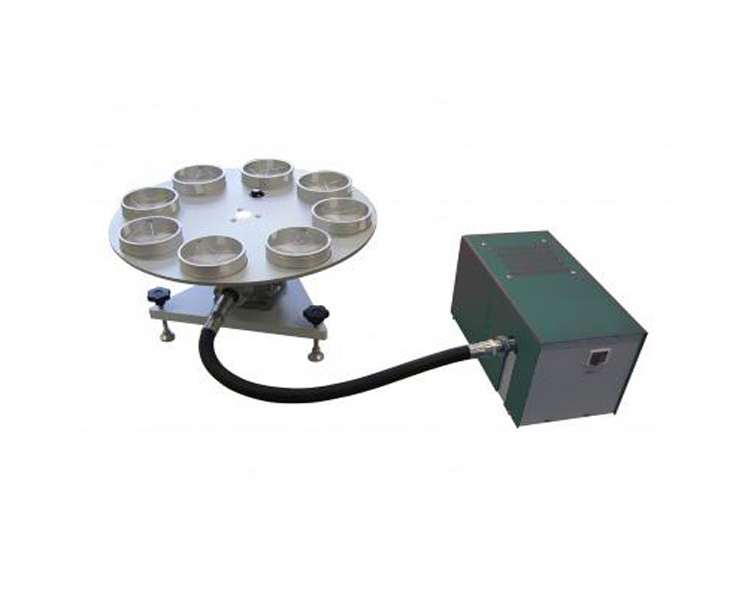
Application Scenarios and Importance of the Water Vapour Permeability Tester
You may have never heard of the Water Vapour Permeability Tester, yet it quietly safeguards your daily life. From food wrapped in plastic film to tablets in medicine bottles, from the sports shoes you wear to waterproof membranes used in building façades, this seemingly specialized testing technology is closely connected to the quality of our everyday living.
1. Ubiquitous Application Scenarios
In the food packaging industry, the Water Vapour Permeability Tester plays a critical role. Imagine a bag of potato chips on a supermarket shelf—the tester ensures that the packaging film maintains the crispness of the chips while preventing external moisture from entering. Packaging materials that keep biscuits crispy and milk powder dry all undergo strict moisture permeability testing. A qualified fruit preservation film must precisely control its water vapour transmission rate, allowing fruits to “breathe” while preventing excessive moisture loss.
The textile and footwear industries also rely heavily on this testing method. High-end outdoor jackets and hiking shoes use waterproof and breathable membranes that must pass permeability tests to ensure they block external rainwater while allowing internal sweat vapor to escape. A qualified jacket fabric typically requires a water vapour transmission rate of more than 5000 g/m² per 24 hours.
In the construction industry, the moisture permeability of waterproof membranes and thermal insulation materials directly affects indoor comfort and energy consumption. The tester helps engineers select materials that prevent dampness while avoiding “trapped moisture” inside walls. Modern energy-efficient buildings using smart humidity-regulating materials also rely on precise permeability data during development.
2. The “Invisible Guardian” of Daily Life
The importance of the Water Vapour Permeability Tester is first reflected in food safety. Proper moisture permeability helps extend shelf life and reduce the use of preservatives. Testing data enables manufacturers to find the optimal balance between over-packaging and insufficient protection, achieving both resource efficiency and product quality assurance.
In the medical and healthcare field, moisture permeability testing is particularly crucial. Artificial skin dressings, for example, require precise control of permeability to create an ideal healing environment for wounds. The accurate data provided by the tester is essential to ensure the safety and effectiveness of these medical applications.
For consumers, moisture permeability testing translates into a more comfortable lifestyle experience. Waterproof breathable shoes do not cause discomfort or “sweaty feet,” high-end facial masks maintain optimal moisture levels, and newly renovated houses avoid mold caused by poor wall breathability—all of which are ensured by the Water Vapour Permeability Tester.
With growing environmental awareness, this testing technology also contributes to sustainable development. By optimizing the moisture permeability of packaging materials, food waste can be reduced; precise testing of building materials can also lower air-conditioning energy consumption. The tester helps industries strike the best balance between performance and environmental protection.
Ultimately, these technological advances are translated into tangible benefits for consumers: longer food shelf life, better pharmaceutical protection, and more comfortable functional clothing. The next time you enjoy a pack of crispy chips, wear waterproof breathable shoes, or open a well-preserved medicine package, remember that the Water Vapour Permeability Tester has played its part behind the scenes.
Principle and Classification of the Water Vapour Permeability Tester
1. Instrument Principle
The Water Vapour Permeability Tester operates based on the principle of differences in water vapour transmission during the diffusion process. The instrument consists of a test chamber, a controller, and a differential pressure gauge.
The test chamber is divided into two sections: the upper section is the controlled relative humidity zone, while the lower section contains the test specimen. The sample is placed in the lower chamber, and a flowing gas with controlled relative humidity is introduced in the upper section for measurement.
During testing, a differential humidity condition is established by setting different relative humidity levels, creating a pressure gradient that drives water vapour molecules to diffuse from the high-humidity side to the low-humidity side. The water vapour transmission rate of the specimen is then calculated based on this diffusion process.
2. Instrument Classification
Based on different testing principles, Water Vapour Permeability Testers can be classified into the following types:
(1) Gravimetric Method Tester (Cup Method):
Also known as the cup method or weight method tester. It determines water vapour transmission rate by measuring the change in weight of a permeation cup over time.
(2) Electrolytic Method Tester:
This method uses an electrolysis sensor. On the low-humidity side, water vapour passing through the sample is carried by dry nitrogen gas to the sensor, where it is quantified through an electrolytic reaction to determine the transmission rate.
(3) Infrared Detection Method Tester:
This type uses infrared sensors to detect and measure water vapour transmission based on infrared absorption characteristics of water molecules.
(4) Humidity Sensor Method Tester:
The sample is placed between a constant-temperature dry and wet chamber. Sensors monitor humidity changes inside the chamber, and the water vapour transmission rate and permeability coefficient are calculated accordingly.
Operating Procedure of the Water Vapour Permeability Tester
The operating steps of a Water Vapour Permeability Tester are generally as follows:
1. Sample Preparation
Select test specimens that meet the required standards and ensure that they are free from defects, damage, or visible imperfections.
2. Sample Installation
Properly mount the specimen in the test fixture or test chamber. Ensure close and uniform contact between the sample and the fixture, and adjust its position so that it is in an appropriate and stable testing state.
3. Test Parameter Setting
Set the required testing conditions according to the test standard, including parameters such as test duration, temperature, humidity, and other environmental conditions.
4. Start the Test
Activate the tester to begin the water vapour transmission test. The instrument will automatically record changes in the water vapour permeability of the specimen over time.
5. End of Test
When the test reaches the preset duration or other stopping conditions are met, the instrument will stop automatically. The test data can then be saved for further analysis.
6. Result Analysis
Analyze the stored test data, including indicators such as maximum water vapour transmission rate and average transmission rate, to evaluate the moisture barrier performance of the specimen.
Selection Guide for Water Vapour Permeability Testers
In industries such as food packaging and pharmaceuticals, the Water Vapour Permeability Tester is an essential instrument for evaluating the barrier performance of materials. However, with a wide variety of products available on the market, many users are unsure how to make the right choice. This guide breaks down the key selection factors from three perspectives: core parameters, functional requirements, and brand positioning.
1. Define Core Parameters: Do Not Focus Only on Measurement Range
1) Measurement Principle:
Common methods include the gravimetric (cup) method and the infrared method. The gravimetric method offers higher accuracy but requires more time, making it suitable for laboratory environments. The infrared method is faster but has stricter environmental requirements, making it more suitable for production line testing.
2) Testing Range:
Select the measurement range according to material type. For general film materials, a range of 0–1000 g/(m²·day) is suitable. For high-barrier materials, a much lower range such as 0–0.01 g/(m²·day) is required. It is recommended to choose models with an adjustable range span of at least 10×.
3) Repeatability Error:
National standards generally require a repeatability error of ≤2%. When purchasing, it is advisable to request third-party calibration or testing reports from the manufacturer.
2. Match Functional Requirements: Select Based on Application Needs
1) Environmental Control:
Standard configurations include temperature control at 23±2°C and humidity at 50±5% RH. High-end models may support high and low temperature cycling tests. Pharmaceutical users should check whether the instrument supports sub-zero temperature simulation (below 0°C).
2) Data Management:
Intelligent systems can automatically generate reports based on ASTM, ISO, and other standards, with support for data export and historical curve analysis. Enterprises requiring long-term data storage are advised to choose models with cloud data storage functionality.
3) Automation Level:
For production line applications, features such as automatic sample loading and multi-sample testing are important. For laboratory use, emphasis can be placed on human–machine interface design; touchscreen operation can improve efficiency by about 40% compared with traditional button controls.
3. Brand and Budget: Balancing Cost-Effectiveness
1) Advantages of Imported Brands:
European, American, and Japanese brands offer mature technology and are suitable for high-end laboratories, but prices typically exceed 300.000 RMB.
2) Rise of Domestic Brands:
In recent years, domestic manufacturers—especially in Shanghai and Shenzhen—have made significant technological progress. Their cost-effective models can already meet about 90% of industry requirements, with faster after-sales service response.
3) Budget Allocation:
It is recommended that at least 60% of the total budget be allocated to core components such as sensors and temperature control systems to ensure long-term reliability and avoid performance loss due to low-cost configurations.
Conclusion
When selecting a tester, it is essential to first define the material type and relevant testing standards, and then compare technical parameters and budget constraints. For general packaging films, intelligent models are recommended; for high-demand applications, imported brands combined with customized solutions are preferable. It is also recommended to request free trials or technical demonstrations to verify measurement accuracy in real conditions.In summary, the Water Vapour Permeability Tester is a critical testing instrument that plays an indispensable role in ensuring material performance and improving product quality. If you are considering purchasing such equipment, we sincerely invite you to contact us so that we can provide detailed product information, technical specifications, and professional recommendations tailored to your specific needs, helping you make a more informed decision.
Previous: What is a fabric washing shrinkage testing machine?
N e x t : What is a pendulum impact testing machine for plastic film?
