





What is the Hexapod Tumbler test machine?
2026/06/26
Share:

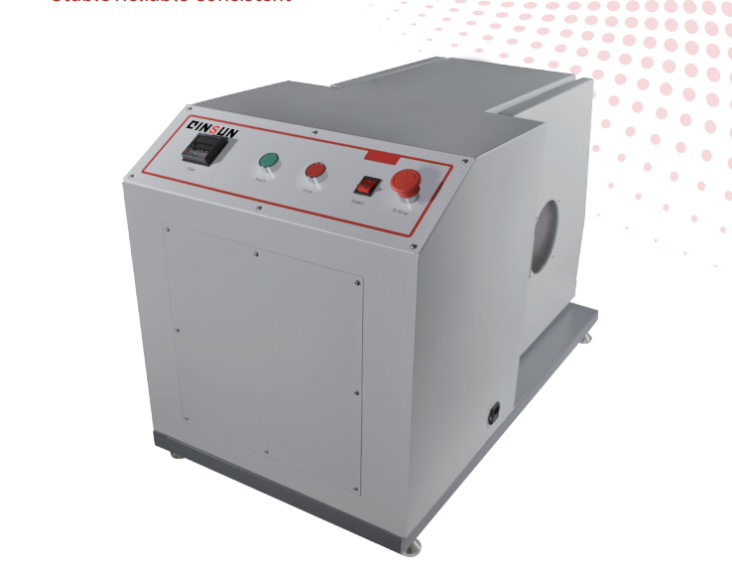
Main Functions of the Hexapod Tumbler Test Machine
The Hexapod Tumbler Test Machine is a professional testing device primarily used to simulate wear conditions that products experience during long-term use, in order to evaluate their durability and quality. Through the rotation of tumbler rollers, the samples are subjected to controlled friction and wear under specified conditions, thereby reproducing real-world abrasion behavior.
1. Evaluation of Carpet Appearance Retention
By simulating real usage wear conditions, the machine observes changes in the carpet surface structure and color over time. This allows for an objective assessment of the carpet’s ability to maintain its original appearance.
2. Assessment of Carpet Durability
After a defined number of tumbling cycles, the test results can be used to evaluate how well the carpet maintains its appearance during long-term use, thereby determining its overall durability and service life.
3. Quality Control and R&D Support
The Hexapod Tumbler Test Machine plays an important role in both quality control and research and development within the textile and carpet industry. It helps manufacturers ensure that product quality meets relevant standards while also providing valuable data support for the development of new products and material improvements.
Principle and Operating Procedure of the Hexapod Tumbler Test Machine
1. Working Principle
The Hexapod Tumbler Test Machine works by placing a carpet specimen on the inner wall of a rotating drum, while a hexapod test block is placed inside the drum. When the drum rotates, the hexapod rolls and moves across the surface of the specimen, simulating wear and abrasion. After a specified number of cycles, the carpet sample is removed and evaluated according to relevant standards for changes in surface structure and color.
2. Operating Procedure
Preparation Stage
Rotate the cover counterclockwise until the alignment hole on the cover matches the corresponding hole on the drum.
Remove the cover and install the sample inside the drum, ensuring that the backing plate is properly and evenly fixed in the inner groove of the drum.
Check the polyurethane pins on the hexapod to ensure they are clean, smooth, and free from contamination. If necessary, clean them using paper and an appropriate solvent.
Hexapod and Cover Installation
Place the hexapod inside the drum, ensuring proper alignment with the positioning holes.
Rotate the cover clockwise until it is securely tightened.
Power On and Test Mode Selection
Connect the power supply and switch on the power outlet.
Use the selection buttons (e.g., “+” or “–”) to choose the standard test mode, or select a custom mode to set specific rotation counts and intervals.
Start the Test
Press the “Run/Stop” button to begin the test.
The machine will automatically rotate until the preset number of cycles is reached (e.g., 2000 revolutions).
End of Test and Sample Handling
When the 2000-cycle test is completed, the machine will issue an alarm.
Remove the tested sample and place it in the central opening of a cleaning frame.
Use a vacuum cleaner to clean the sample along its length direction, performing four strokes forward and four backward, ensuring full coverage of the surface. The final pass should follow the direction of the pile lay.
Repeated Testing and Simulation of Different Wear Levels
Place the sample back into the drum and repeat the above procedure to reach higher cycle counts (e.g., 12.000 cycles for severe long-term wear simulation, or 6.000 cycles for early-stage appearance change or moderate wear simulation).
After each test cycle, clean the sample once using the same vacuuming method.
Sample Rating and Post-Processing
Place the tested sample flat, with the pile facing upward, for at least 24 hours.
Evaluate and grade the sample according to the relevant standards to assess its abrasion resistance and overall quality.
3. Precautions
After each test, ensure the interior of the drum is thoroughly cleaned to prevent debris from entering the bearings and causing damage.
Take safety precautions during operation to avoid electric shock or mechanical injury such as pinching.
Perform regular maintenance and servicing of the equipment to ensure long-term stable operation and accurate test results.
Analysis of the Impact of the Hexapod Tumbler Test Machine on Improving Product Reliability
The Hexapod Tumbler Test Machine, as a specialized instrument for evaluating the appearance retention performance of carpets and other textile products, plays a significant role in enhancing product reliability. In modern industrial manufacturing, product reliability is a key indicator of overall quality. To ensure stable and efficient performance under various usage conditions, companies often rely on testing equipment to simulate real-world environments and comprehensively evaluate durability, impact resistance, and appearance retention.
The Hexapod Tumbler Test Machine assesses carpet appearance retention by simulating long-term wear conditions. It adopts a drum-based testing method with a backing substrate, where the hexapod tumbler moves in a reciprocating motion, causing the carpet specimen to continuously rotate inside the drum. This process effectively simulates friction and wear experienced in actual use. The method is both efficient and time-saving, typically completing tests within one working day, while also delivering accurate and reliable results in compliance with multiple international standards.
First, the use of this equipment helps enterprises identify potential issues early in the product development stage. By simulating long-term wear conditions, manufacturers can detect latent defects in advance and make targeted improvements before the product enters the market. This preventive approach significantly reduces the risk of product failures during actual use, thereby improving overall product reliability.
Second, its application enhances a company’s market competitiveness. In an increasingly competitive market environment, consumers demand higher levels of quality and reliability. Through rigorous testing using the Hexapod Tumbler Test Machine, manufacturers can ensure that their textile products, such as carpets, exhibit excellent appearance retention and durability. This helps build strong consumer trust and positive market reputation, ultimately attracting more customers and increasing orders, thereby strengthening the company’s market position.
In addition, the promotion and widespread use of this equipment also contribute to technological advancement and development within the industry. As testing technologies continue to mature, companies can more accurately understand market demands and product development trends, accelerating product upgrades and innovation. Furthermore, the accumulation and analysis of test data provide valuable support for the formulation and improvement of industry standards, driving the entire sector toward higher quality and more advanced development.
Hexapod Tumbler Test Machine for Precise Quantitative Evaluation of Textile Abrasion Resistance
The design of the Hexapod Tumbler Test Machine integrates principles from both mechanical engineering and textile science. The main body of the equipment is constructed from stainless steel, ensuring structural stability and corrosion resistance during long-term use. Its hexapod biomimetic fixture is designed to simulate multidirectional friction on fabrics during human movement, making it closer to real wearing conditions. The PLC control system enables precise parameter adjustment, while the digital display provides real-time monitoring of test progress and results, significantly improving operational convenience.
Through a standardized testing procedure, the instrument converts textile abrasion resistance into quantifiable data such as friction cycles and pilling grades, providing a scientific basis for material improvement and product classification.
From a technical implementation perspective, the testing accuracy of the tumbler machine relies on three core modules:
First, the friction system, which simulates different levels of wear intensity through control of drum surface texture and rotation speed.
Second, the loading system, which uses adjustable weights to simulate human pressure or industrial usage loads.
Third, the detection system, which integrates image recognition and sensor technology to automatically record surface changes such as fuzzing, pilling, and damage.
For example, in garment fabric testing, the machine can simulate high-frequency wear areas such as cuffs and collars. By comparing test results across different fiber compositions and fabric structures, it provides data support for fabric selection and process optimization.
In terms of industry applications, the value of the tumbler test machine extends beyond laboratory testing and runs throughout the entire material R&D and production process. In new material development, different testing parameters can be set to quickly screen fiber combinations or fabric structures with superior abrasion resistance. In quality control, regular sampling tests ensure that products meet industry standards or customer requirements, helping to reduce the risk of returns caused by substandard material performance. In addition, with the development of intelligent manufacturing, some high-end models now support data networking and remote monitoring, further improving testing efficiency and data traceability.
In summary, the Hexapod Tumbler Test Machine demonstrates irreplaceable value in material performance evaluation, product development optimization, and quality control. It is worthy of continued attention and in-depth research. If you would like to learn more about its technical specifications, application scenarios, or customized solutions, please feel free to contact us. We are always ready to provide more detailed and tailored technical support and product information based on your specific needs.
Previous: What is degradation and failure of PV module?
N e x t : Which instrument is used for filter integrity tests?
