





Why is fiber fineness important?
2026/06/29
Share:

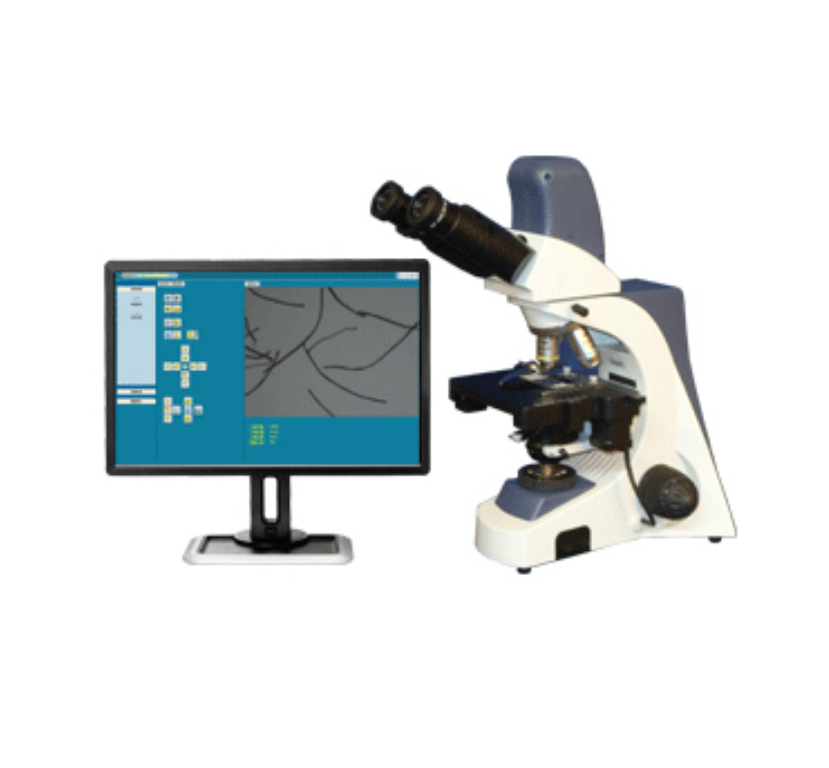
Functions and Features of the Wool Fiber Fineness Analyzer
I. Main Functions
The Wool Fiber Fineness Analyzer is a professional testing instrument designed for the precise measurement of the diameter and diameter distribution of wool and other animal fibers. Its core functions include fiber fineness measurement, statistical analysis, morphological observation, and fiber composition identification.
1. Core Measurement Functions
Fiber Diameter Measurement
The analyzer automatically measures the diameter of individual or multiple fibers, with a typical measurement range of 2–200 μm and a resolution of up to 0.01 μm, ensuring highly accurate and reliable results.
Key Parameter Calculation
The instrument instantly calculates and displays essential statistical parameters, including mean fiber diameter, standard deviation, and coefficient of variation (CV), providing a comprehensive evaluation of fiber diameter uniformity.
Diameter Distribution Analysis
It automatically generates fiber diameter distribution histograms, with customizable grouping intervals ranging from 0.5 μm to 2.5 μm, allowing users to clearly visualize the distribution characteristics of the tested fibers.
2. Advanced Analysis and Auxiliary Functions
Morphological and Cross-Sectional Observation
Combined with advanced microscopic imaging technology, the analyzer can observe the cross-sectional morphology of special-shaped fibers and hollow fibers. It also measures cross-sectional area to calculate the equivalent fiber diameter.
Blend Composition Analysis
By identifying the morphological characteristics of different fibers, the instrument determines the weight percentage of wool and other fibers in blended textile products.
Comfort and Quality Evaluation
Some advanced models can calculate parameters such as the Comfort Factor (CF), Prickle Factor, and Fiber Crimp, providing valuable information for evaluating wool comfort, processing performance, and overall fiber quality.
3. Data Processing and Reporting
Automatic Report Generation
The analyzer is equipped with intelligent software that supports one-click testing, automatically eliminates abnormal signals, and generates standard test reports. Test results can be exported, analyzed, printed, or saved in Microsoft Excel format.
Multiple Test Modes
Both Standard Mode and Fast Mode are available. A single test can analyze thousands of fibers within approximately 3–7 minutes, significantly improving laboratory efficiency.
II. Key Features
1. Wide Measurement Range with High Accuracy
The analyzer employs a high-precision, wide-range electronic airflow sensor, enabling a wool fineness measurement range of 12–50 μm. It is capable of accurately measuring both ultra-fine wool and the majority of commercial wool fibers available on the market. Currently, it offers one of the widest measurement ranges among airflow-based wool fineness analyzers worldwide.
2. One-Touch Operation with Intelligent Data Management
After the sample is properly installed, testing can be completed by pressing a single button. The instrument features a USB interface, allowing users to utilize the supplied software for statistical analysis, report generation, and printing. Test reports can also be conveniently exported and saved in Excel format.
3. Fast and Convenient Calibration
The analyzer supports quick and simple calibration procedures. Once calibrated, it can achieve a measurement accuracy of ±0.2 μm, even under non-standard laboratory environments, ensuring stable and reliable performance.
Importance of the Wool Fiber Fineness Analyzer
The Wool Fiber Fineness Analyzer offers significant value across various sectors of the wool and textile industry.
In the wool breeding industry, the analyzer enables breeders to accurately evaluate the fineness characteristics of wool, providing a scientific basis for selective breeding programs. By measuring and analyzing the fiber fineness of different breeds, breeders can identify and select animals with superior fiber characteristics for reproduction, thereby continuously improving the overall quality of wool.
In the wool textile industry, the Wool Fiber Fineness Analyzer serves as an essential quality control tool throughout the production process. It continuously monitors variations in fiber fineness and promptly detects abnormalities such as excessively coarse or overly fine fibers. Based on the test results, manufacturers can optimize production parameters, including spinning tension, twist level, and other processing conditions, ensuring that the final products consistently meet quality and performance requirements.
The analyzer also plays a vital role in research institutions and fiber inspection laboratories. Researchers use the instrument to investigate the relationship between fiber fineness and textile performance, providing valuable theoretical support for the development of innovative textile materials and advanced processing technologies. Meanwhile, fiber inspection organizations utilize the analyzer to perform quality testing and regulatory inspections of wool and other animal fiber products, helping to maintain product quality standards and protect consumer interests.
How to Choose the Most Suitable Fiber Fineness Analyzer Based on Fiber Type
Selecting the right fiber fineness analyzer depends largely on the type of fiber being tested. Different fiber materials require different measurement technologies to ensure accurate, reliable, and repeatable results.
1. Match the Analyzer to the Fiber Type
Animal Fibers
For animal fibers such as wool, cashmere, and rabbit hair, it is recommended to choose a Wool Fiber Fineness Analyzer equipped with cross-sectional analysis capabilities. This type of instrument can accurately measure hollow or irregular fiber structures, overcoming the challenges associated with complex natural fiber morphologies.
Synthetic Fibers
When testing man-made fibers, priority should be given to analyzers with advanced recognition algorithms capable of identifying special cross-sectional shapes, such as trilobal, flat, or other profiled fibers. This ensures accurate diameter measurement regardless of fiber geometry.
Blended Fibers
For blended textile materials, select a model that supports automatic multi-component fiber identification. This feature minimizes the need for manual fiber pre-sorting, improves testing efficiency, and enhances the accuracy of blend composition analysis.
For special applications, laser fiber fineness analyzers offer a non-contact measurement solution that is particularly suitable for delicate or high-value fibers susceptible to mechanical damage. In contrast, conventional cotton fiber fineness analyzers are typically optimized with correction algorithms to compensate for the natural convolution (twist) of cotton fibers, resulting in more accurate measurements.
Essential Accessories for a Fiber Fineness Analyzer
Purchasing the analyzer is only the first step. The following supporting equipment has a significant impact on measurement accuracy, operational efficiency, and overall user experience.
Fiber Electronic Balance
A high-precision electronic balance is required for accurate sample weighing. Models equipped with a draft shield are recommended to minimize the influence of air currents and improve weighing precision.
Certified Fiber Reference Standards
Certified standard fiber samples are essential for routine instrument calibration and performance verification. Different fiber materials require corresponding reference standards to ensure measurement traceability and long-term accuracy.
Sample Preparation Tools
Proper sample preparation is critical for obtaining reliable test results. Common accessories include fiber microtomes (fiber cutters), fiber spreading devices, and other preparation tools that ensure fibers are evenly distributed and correctly positioned before measurement.
Many users underestimate the importance of certified reference standards. In practice, fiber standard samples are not only indispensable for routine instrument calibration but also serve as the benchmark for comparing test results between different laboratories, ensuring consistency, repeatability, and compliance with international testing standards.
Maintenance Tips for the Wool Fiber Fineness Analyzer
Proper maintenance of the Wool Fiber Fineness Analyzer is essential for ensuring long-term measurement accuracy, operational stability, and extended service life. The key maintenance practices focus on optical system cleaning, airflow and mechanical component maintenance, and regular calibration, as outlined below.
1. Routine Cleaning and Protection
Optical Lens Maintenance
After each test, gently clean the microscope objective lens and camera lens using specialized lens-cleaning paper. Never use ordinary tissues or organic solvents, as they may scratch the optical coatings or damage the lenses.
Sample Stage Cleaning
Immediately remove any residual fiber fragments, dust, or grease from the microscope slide and sample stage after testing to prevent contamination that could affect image quality. For airflow-based analyzers, the sample inlet should also be cleaned regularly to prevent dust accumulation and airflow blockage.
Environmental Control
The analyzer should be installed in a clean, dry, and dust-free environment, away from direct sunlight. The recommended operating conditions are 10–45°C with a relative humidity of 30%–80%. If the instrument is not used for an extended period, it is advisable to power it on for approximately 30 minutes each week to prevent moisture accumulation inside the system.
2. Maintenance of Critical Components
Airflow System
Regularly inspect the electronic airflow sensor and air pipeline seals to ensure there are no leaks that could cause measurement drift. Only clean, dry compressed air or nitrogen should be used to prevent moisture condensation, which may affect airflow measurement accuracy.
Mechanical Transmission System
Apply a small amount of precision lubricant to the automatic scanning stage and the X, Y, and Z-axis guide rails at regular intervals to ensure smooth movement and prevent mechanical sticking. In addition, inspect the sharpness of the sample cutter blade and replace it promptly when worn to maintain high-quality sample preparation.
Light Source Maintenance
Monitor the service life of the halogen lamp or laser light source. If brightness decreases or flickering occurs, replace the light source immediately to prevent uneven illumination that may affect image processing and fiber analysis accuracy.
3. Calibration and Performance Verification
Scale Calibration
Whenever the objective lens magnification is changed or after the instrument has completed its warm-up period, the system should be recalibrated using a certified stage micrometer to ensure micron-level measurement accuracy.
Reference Material Verification
At least once a month, verify instrument performance using certified wool reference standards or fiber samples with known fineness values. If the measurement error exceeds ±0.2 μm, a complete system calibration by the manufacturer or an authorized service provider is recommended.
Software and Data Backup
Regularly export test results and back up the analysis software configuration files to prevent data loss caused by unexpected computer or software failures.
4. Operating Precautions
Do Not Disassemble the Instrument
The internal optical components and electronic circuits are highly precise. Unauthorized disassembly by non-professional personnel may result in optical misalignment or permanent damage to the electronic system.
Follow the Correct Shutdown Procedure
Before turning off the instrument, first stop data acquisition within the software, then switch off the microscope or optical system, and finally disconnect the main power supply. This sequence helps protect sensitive sensors from electrical surges.
With the continuous development of the textile industry and increasingly stringent quality requirements, the Wool Fiber Fineness Analyzer will play an even more important role in fiber quality evaluation and production control. It has become an indispensable tool for textile manufacturers seeking to enhance product quality, improve production efficiency, and strengthen market competitiveness.If you have any questions regarding product features, technical specifications, or application solutions, please feel free to contact us at any time. Our professional engineers and technical support team are ready to provide detailed product information, technical documentation, and customized solutions tailored to your specific testing requirements.
Previous: What is a corrosion chamber?
N e x t : What is a Laser Compression Deformation Tester?
