





What is the Qmax warm cool touch test?
2026/07/07
Share:

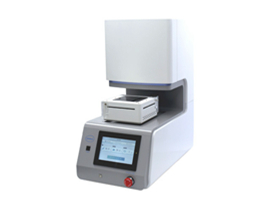
Features of Contact Coolness Tester
1. Highly realistic simulation of human skin-material contact conditions
The core design concept of the Contact Coolness Tester is to accurately simulate the actual interaction between human skin and materials. The load and contact area of the thermal detection plate are strictly designed according to the parameters involved when the human body touches an object. It can effectively reproduce key conditions such as contact pressure and contact area between skin and materials, ensuring that the measurement results closely match the actual human perception.
2. Precise temperature control and versatile testing modes
The instrument adopts advanced PID temperature control technology, enabling the temperature control accuracy of the thermal detection plate to reach ±0.1°C. It can precisely simulate human skin temperature (normally set at 32–35°C), providing stable and reliable conditions for heat transfer measurement. The tester supports both dry and wet testing modes, which simulate dry skin conditions and sweating conditions respectively, meeting various testing requirements and improving the comprehensiveness and authenticity of evaluations.
3. High automation for improved efficiency and accuracy
Automation is one of the outstanding advantages of this tester. Equipped with a fully automatic sample feeder and automatic testing module, the instrument can complete sample transportation, positioning, and testing automatically without manual intervention. This significantly improves testing efficiency while effectively reducing errors caused by human operation, ensuring excellent repeatability and consistency of test results.
4. User-friendly operation with real-time data visualization
The Contact Coolness Tester is equipped with a projection-type capacitive touchscreen, featuring an intuitive and user-friendly interface. Operators can easily master the operation after simple training. During the test, the screen displays key data such as heat flow curves and qmax values in real time, making the testing process more visualized, transparent, and convenient.
5. Multi-functional testing capability for comprehensive thermal performance evaluation
The Contact Coolness Tester is not limited to measuring contact coolness performance. With optional accessories, it can also evaluate additional parameters such as thermal conductivity and thermal insulation performance. Thermal conductivity testing reflects the material’s ability to transfer heat, while thermal insulation testing evaluates its ability to retain heat. This multi-dimensional testing capability enables a comprehensive assessment of the thermal properties of materials and provides more valuable data support for product development.
6. High-precision components and stable long-term operation
The Contact Coolness Tester adopts high-quality sensors and core components. The heat flow sensor features a fast response speed, allowing it to capture millisecond-level heat flow changes and ensuring accurate measurement of qmax values. The instrument features a robust structure with a total weight of 42 kg, providing excellent stability during operation and meeting the requirements of long-term and high-intensity testing applications.
Importance of Contact Coolness Testing for Clothing
Contact coolness testing is of great importance in the garment manufacturing industry. The main reasons are as follows:
1. Enhancing user comfort and experience
Cooling sensation is one of the key indicators for evaluating clothing comfort. When the human body is exposed to high temperatures, humid environments, or intense physical activities, sweating and heat accumulation can easily occur. Clothing with excellent contact coolness performance can provide an immediate cooling sensation, promote heat dissipation, help maintain a dry and comfortable feeling, and significantly improve the wearer’s overall comfort.
2. Adapting to different environmental conditions
Temperature and humidity vary greatly across different regions and seasons. Garments with contact coolness properties can help regulate body surface temperature, enabling wearers to better adapt to various environmental conditions. This provides a more comfortable wearing experience in hot, humid, or changing climates.
3. Improving sports performance
During exercise, increased physical activity generates more heat and sweat, which may lead to discomfort caused by rising body temperature. Sportswear with contact coolness performance can accelerate heat dissipation, enhance moisture absorption and sweat evaporation, reduce heat buildup, and help maintain body comfort, thereby improving athletic performance.
4. Enhancing market competitiveness
As consumers’ demand for comfortable and functional clothing continues to grow, garments with cooling properties are becoming increasingly popular in the market. By conducting contact coolness testing, manufacturers can ensure that their products meet comfort performance standards, improve product quality, strengthen brand competitiveness, and stand out in a highly competitive market.
In summary, contact coolness testing plays a crucial role in the garment manufacturing industry. By ensuring that clothing products have excellent cooling properties, manufacturers can enhance user experience, improve adaptability to different environments, support better sports performance, and increase the overall market competitiveness of their products.
Functions of Contact Coolness Tester
1. A core tool for textile product development
In the textile industry, the Contact Coolness Tester serves as an essential instrument for product research and development. The development of summer cooling fabrics, winter thermal underwear, bedding products, and other functional textiles relies heavily on accurate evaluation and control of contact cooling and warming sensations.
2. Optimizing materials and manufacturing processes
Through instrument testing, researchers can accurately analyze the effects of different fiber materials, fabric structures, and finishing processes on the qmax value. Based on these test results, manufacturers can optimize product formulations and production technologies, enabling the development of textile products that better meet consumer demands for comfort and functionality.
3. Ensuring raw material quality control
For textile manufacturers, the Contact Coolness Tester plays a vital role in quality management. During the raw material procurement stage, companies can use the instrument to test fabrics supplied by vendors, ensuring that the contact coolness performance of raw materials meets required standards and controlling product quality from the source.
4. Monitoring production consistency and preventing quality issues
During the manufacturing process, the tester can be used for sampling inspections of semi-finished and finished products. It helps manufacturers identify performance deviations caused by fluctuations in production processes at an early stage, preventing non-conforming products from entering the market.
5. Supporting compliant product labeling and marketing claims
As consumers pay increasing attention to functional product labels, the GB/T 35263-2017 standard specifies that textile products can only be labeled with terms such as “cooling sensation” or “ice feeling” when their contact coolness coefficient qmax ≥ 0.15 W/cm². The Contact Coolness Tester provides accurate qmax measurement data, helping enterprises make compliant product claims while avoiding legal risks and brand reputation damage caused by misleading advertising.
6. Wide application beyond the textile industry
The application scope of the Contact Coolness Tester extends beyond textiles and covers industries such as cosmetics, healthcare, food, and automotive interiors.
Cosmetics industry: It can be used to evaluate the cooling sensation of products such as sunscreens and cooling sprays, helping companies optimize formulations and improve user experience.
Healthcare industry: It can assess the thermal performance of products such as cooling patches and wound dressings, providing data support for clinical applications.
Automotive interior industry: It can test the contact thermal sensation of materials such as seat fabrics and steering wheel covers, enhancing the comfort and user experience of vehicle interiors.
In summary, with its high-precision measurement capability, automated testing process, wide range of applications, and compatibility with relevant standards, the Contact Coolness Tester has become a benchmark instrument in the field of tactile and thermal sensation evaluation. It not only provides strong technical support for product development and quality control in industries such as textiles and cosmetics but also promotes industry standardization, technological innovation, and the advancement of functional material development.
Correct Operating Procedures of Contact Coolness Tester
1. Preparation Before Testing
Before using the Contact Coolness Tester, first ensure that the instrument is in normal working condition. Check whether the power supply, sensors, and other components are functioning properly. If any abnormalities are found, repair or replace the relevant parts in a timely manner.
Prepare the textile fabric samples to be tested and ensure that their size and shape meet the requirements of the instrument. The sample surface should be clean, dry, and free from stains or impurities to avoid affecting the accuracy of test results.
2. Instrument Calibration
To ensure the accuracy and reliability of test results, the Contact Coolness Tester should be calibrated before formal testing. The calibration process must be performed strictly according to the instrument’s operation manual to ensure that all calibration parameters are accurate and reliable.
3. Testing Operation
Place the prepared textile fabric sample on the testing platform of the instrument and ensure that the sample is in full contact with the sensor.
Start the instrument and follow the instructions displayed on the operation interface. Set the required testing parameters, such as testing time, temperature, and other relevant conditions.
After the test is completed, the instrument will automatically display the test results, including contact coolness value, heat flow, and other measurement data.
4. Data Recording and Analysis
Record the test results for further data analysis and comparison. The collected data can be organized and analyzed through tables, charts, or other methods to identify performance differences among various fabrics.
Based on the test results, enterprises can optimize product design and manufacturing processes, improve the contact coolness performance of their products, and better meet consumer demands for comfortable textile products.
Precautions for Using Contact Coolness Tester
1. Follow operating instructions strictly
When operating the Contact Coolness Tester, users should strictly follow the instrument’s operation manual. Improper operation may lead to inaccurate test results.
2. Perform regular maintenance and cleaning
Regular maintenance and servicing are required to ensure stable instrument performance. When cleaning the instrument, use a soft dry cloth for wiping and avoid using organic solvents or corrosive cleaning agents.
3. Maintain a stable testing environment
During testing, the laboratory environment should remain stable. Factors such as temperature and humidity fluctuations should be minimized to prevent their influence on test accuracy.
4. Select appropriate testing methods for different materials
For different types of textile fabrics, suitable testing parameters and methods should be selected to ensure the accuracy, reliability, and comparability of test results.
As an important testing device in the textile and garment industry, the Contact Coolness Tester requires correct operation methods to ensure accurate and reliable measurement results. By mastering proper testing procedures, enterprises can fully utilize the advantages of the Contact Coolness Tester to support product development, performance evaluation, and quality control.At the same time, continuous improvement in testing technologies and applications can help enterprises enhance their competitiveness and provide consumers with more comfortable and high-quality textile and apparel products.We sincerely welcome you to leave a message or contact us directly for more detailed product information and professional technical support.
Previous: How to measure the pore size of a filter?
N e x t : the last page
