





What is a zipper reciprocating tester?
2026/07/15
Share:

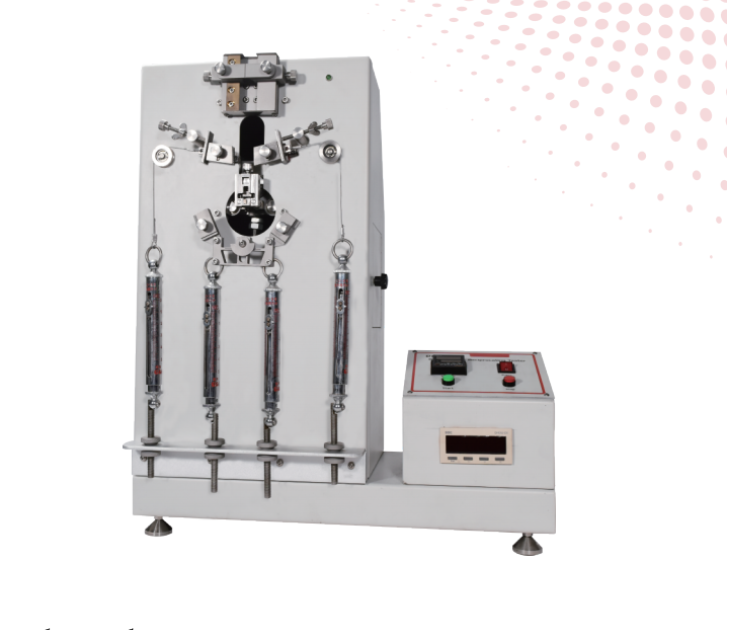
Technical Features of the Zipper Fatigue Tester
Counting Function:
The equipment is equipped with a precise counting function, which can automatically record the number of reciprocating test cycles performed on the zipper and intelligently distinguish between qualified and defective products. Test data can be retrieved and reviewed at any time, allowing operators to monitor the testing process in real time and efficiently analyze test results.
Mechanical Components:
The main mechanical components of the instrument are manufactured using high-quality corrosion-resistant structural aluminum alloy and stainless steel materials. This material selection ensures that the equipment maintains excellent structural stability during long-term, high-frequency operation, while also providing outstanding corrosion resistance and durability. It can effectively withstand wear and environmental impacts.
Motor Drive System:
The core power system of the equipment is provided by a high-precision, premium-quality motor. The motor drive system operates smoothly, ensuring consistent and uniform reciprocating movements during testing while maintaining low-noise performance. This provides a quiet and comfortable working environment for laboratories and production facilities.
Dual Induction Switches:
The system is equipped with two highly sensitive induction switches. If the zipper accidentally detaches during the test or the equipment reaches the preset limit position, the induction switches will immediately trigger and automatically stop the machine. This design significantly enhances operational safety and effectively prevents accidental damage to the test specimens or equipment.
Tension and Compression Device:
The integrated tension and compression device is manufactured in Taiwan and is recognized for its high precision and excellent reliability. The force sensor provides accurate measurements and allows users to flexibly adjust the tensile or compressive force applied to the zipper within a specific range according to different testing standards or product requirements, meeting various testing needs.
Working Principle and System Configuration of the Zipper Fatigue Tester
The zipper fatigue testing machine generally adopts an electromechanical integrated design, with its core function being to simulate the repeated sliding motion of manually pulling a zipper slider.
System Configuration:
1. Mechanical Frame and Transmission System
Machine Frame:
A robust structural frame designed to support all components of the equipment and ensure stable operation during testing.
Drive Motor:
Usually equipped with a servo motor or stepper motor to ensure smooth operation, adjustable testing speed, and precise positioning control.
Transmission Mechanism:
The transmission system converts the rotational motion of the motor into the required linear reciprocating motion. Common transmission components include synchronous belts, gears, and ball screws.
2. Clamping Device
Upper/Lower Fixtures:
Used to securely clamp the two fabric tapes of the zipper separately. The fixture design is critical and must meet the following requirements:
Provide firm clamping to prevent slipping during the test.
Avoid causing additional damage or deformation to the fabric tapes.
Adapt to zippers with different lengths and widths.
3. Pulling Mechanism (Core Component)
This mechanism simulates the action of human hands and is responsible for gripping or engaging with the zipper slider.
Driven by the transmission system, it performs precise reciprocating linear movements along the zipper track to simulate the actual “closing” and “opening” operations.
Some high-end models integrate a force sensor into this mechanism to monitor the pulling force during zipper operation in real time, providing accurate data analysis of zipper performance.
4. Control System
PLC (Programmable Logic Controller) or Embedded Microprocessor:
The core control unit of the equipment, responsible for managing the entire testing process.
Human-Machine Interface (HMI):
Usually equipped with a touchscreen interface for setting and controlling test parameters, including:
Testing Speed: The speed of zipper opening and closing cycles (cycles/min).
Number of Cycles: The preset total number of opening and closing operations required for the test.
Travel Distance: The moving distance of the zipper slider.
Pause Settings: Allows temporary pauses after completing each cycle to simulate actual usage conditions.
5. Measurement and Sensing System (Available in High-End Models)
Force Sensor:
The most important optional sensor, capable of measuring and recording the maximum and minimum pulling forces during each zipper opening and closing cycle in real time. By analyzing changes in pulling force, potential issues such as zipper jamming, increased wear, or abnormal operation can be identified.
Counter:
Automatically records and displays the completed number of test cycles.
Automatic Shutdown Device:
When problems such as zipper jamming, breakage, or other failures occur, the system automatically stops the test and records the current cycle count, preventing further damage and improving testing safety.
Main Purpose and Testing Significance of the Zipper Fatigue Tester
The core function of a zipper is to withstand repeated opening and closing operations. The fundamental purpose of the zipper fatigue testing machine is to accelerate the simulation of wear and fatigue experienced by zippers throughout their service life under laboratory conditions, allowing their performance to be evaluated within a shorter period of time.
1. Durability
Evaluate how many opening and closing cycles a zipper can withstand before failure or damage occurs.
2. Performance Stability
Assess whether the smoothness and operational performance of the zipper deteriorate after repeated opening and closing cycles, and determine whether problems such as slider slipping, zipper separation, or unexpected opening occur.
3. Functional Failure Analysis
Identify different zipper failure modes, including fabric tape tearing, zipper teeth detachment, slider jamming or damage, and failure of the locking function.
Operating Procedures and Precautions of the Zipper Fatigue Tester
1. Sample Preparation
Cut a zipper section from the product to be tested, ensuring that the zipper is complete and the slider is correctly installed. The sample length should meet the clamping requirements of the test fixtures, and it is generally recommended to be at least 150 mm.
For each batch of testing, no fewer than three zipper samples should be tested. For products with more complex structures, the sample quantity can be increased according to the company’s internal quality control standards.
2. Sample Installation
Clamp the fabric tapes at both ends of the zipper securely into the upper and lower fixtures, ensuring that the zipper remains naturally straight. The zipper slider should be connected to the transmission mechanism through a dedicated hook.
During installation, ensure that the fixtures do not damage the edges of the fabric tapes, and that the slider fixing device does not apply additional pressure on the slider, which could create extra resistance during testing.
3. Parameter Setting
Set the reciprocating stroke, testing speed, and target cycle count according to the applicable testing standards and zipper type.
Typically, a test cycle range of 2.000 to 5.000 cycles is commonly used as a batch inspection criterion. However, the threshold values may vary significantly depending on the fabric material, zipper teeth design, and brand requirements.
4. Start the Test
After confirming that the sample is securely installed, start the equipment and observe whether the first 10 reciprocating cycles operate smoothly.
If abnormal jamming, deviation, or uneven movement occurs, stop the machine immediately and make necessary adjustments before continuing the test.
5. Inspection During Testing and Failure Judgment
After reaching the preset number of cycles, the equipment will automatically stop. Inspect the zipper for the following defects:
Zipper teeth falling off, deformation, or displacement.
Slider loosening, jamming, or failure to lock properly.
Fabric tape tearing, excessive wear, or thread separation.
A significant increase in opening and closing force (which can be measured with a force gauge if required).
If any of the above defects occur, the sample can be judged as unqualified.
For samples showing only minor surface wear that does not affect functional performance, a comprehensive evaluation can be conducted based on the allowable limits specified in relevant standards and the agreement between testing parties.
6. Test Result Report
Record the number of completed test cycles, sample identification number, failure mode, and quantity of defective samples. Calculate the qualification rate based on the test results.
If the product is required to achieve a specific minimum number of failure-free cycles, this value can be used as the basis for determining the final product grade.
Precautions for Use
The zipper fatigue tester mainly simulates the single mechanical action of lateral reciprocating opening and closing. It cannot fully reproduce the combined effects of real-world conditions, such as diagonal pulling forces, bending stress, salt spray corrosion, or extreme temperature environments on zipper aging.
Some specially coated zippers may perform normally under standard test conditions but may fail rapidly after exposure to chemical substances such as skincare products. Therefore, when applying laboratory reciprocating test results to specific application scenarios, careful consideration is required.
In addition, the instrument itself cannot quantitatively evaluate parameters such as zipper bottom stop strength and flat pull strength, nor does it provide a standardized simulation method for dynamic loading conditions.
A comprehensive evaluation of zipper durability usually requires combining fatigue testing results with additional tests, including salt spray testing, low-temperature impact testing, and separate tensile strength tests in transverse and longitudinal directions.
Conclusion
In summary, the zipper fatigue testing machine is a highly specialized quality assurance tool in modern manufacturing industries. Through scientific and quantitative testing methods, it transforms subjective perceptions such as “smooth operation” and “durability” into objective data, including cycle counts and force values.This provides irreplaceable value for zipper manufacturers seeking to improve production processes and materials, for brands controlling incoming product quality, and for organizations developing industry standards.We sincerely welcome inquiries and discussions. Please feel free to contact us for more detailed product information and technical support.
Previous: What is a high-temperature half-mannequin?
N e x t : the last page
