





What is an arc resistance tester?
2026/07/29
Share:

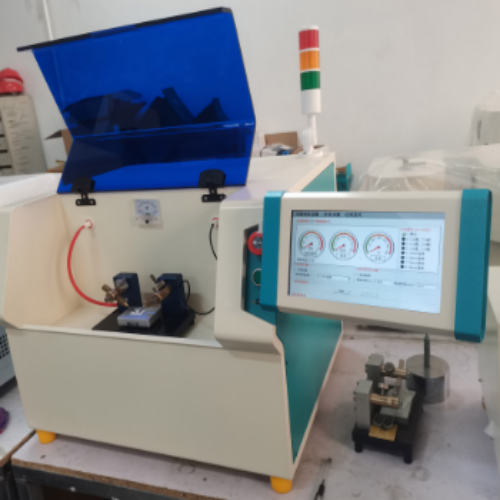
Basic Principle and Features of Arc Resistance Tester
1. Working Principle
Arc resistance refers to the ability of an insulating material to resist deterioration caused by the action of a high-voltage electric arc. It is usually expressed by the time required for a standard arc flame to cause carbonization on the material surface until the surface becomes conductive and the arc extinguishes. The unit of measurement is seconds.
The arc resistance tester simulates an arc discharge environment and applies high-voltage arc excitation to the test specimen in order to evaluate its arc resistance performance. During the test, two tungsten electrodes separated by a specified distance are placed on the surface of a plate-shaped specimen. A power-frequency high-voltage, low-current arc is then generated between the two electrodes.
Initially, an intermittent low current arc with gradually shortened intervals is applied. Eventually, it develops into a continuous arc with gradually increasing current intensity. Under increasingly severe arc conditions, the material ultimately reaches failure.
2. Main Features
High Precision and Stability
The tester adopts an advanced TVS high-voltage protection system and SPWM electronic voltage boosting technology to ensure stable voltage output and reliable test data. It is equipped with complete voltage and current sensors to guarantee testing accuracy.
Intelligent Operation
The intelligent software system provides customized functions, allowing users to manually set test stages, switch between national standards and IEC test standards, and meet the diverse testing requirements of electrical insulating materials and new materials.
Multi-Level Cyclic Data Acquisition Technology
The multi-level cyclic voltage acquisition method effectively solves problems such as electromagnetic interference and communication interruption during arc resistance testing, improving the accuracy and reliability of voltage and current data acquisition.
Safety Protection
The equipment adopts an optocoupler isolation method and TVS transient suppression protection technology, providing effective protection for the control system against surge impacts generated during the arc discharge process. Meanwhile, the equipment protection door is made of anti-glare acrylic material, protecting operators' eyes from arc radiation damage.
Rich Application Functions
The tester is equipped with functions including test report data analysis, online fault indication, and remote online upgrade, making data processing and equipment maintenance more convenient for users.
Wide Applications of Arc Resistance Tester
Power Industry
In the power industry, the arc resistance tester is used to evaluate the arc resistance performance of electrical equipment such as wires, cables, and switchgear, ensuring the safe operation of these devices under high-voltage and high-current conditions.
Electronics Industry
Electronic devices such as circuit boards and connectors need to operate under high-voltage conditions. The arc resistance tester is used to evaluate the arc resistance performance of these components, improving the reliability and service life of electronic equipment.
Automotive Industry
The electrical systems in automobiles need to operate under harsh conditions such as high temperature and high humidity. The arc resistance tester is used to evaluate the arc resistance performance of various components in automotive electrical systems, ensuring vehicle safety and reliability.
Aerospace, Chemical, Metallurgical, and Other Fields
The arc resistance tester can also be widely applied in fields such as aerospace, chemical engineering, and metallurgy, providing essential technical support for technological development and product safety improvement in these industries.
The Value of Arc Resistance Testing Instruments in Practical Applications
As a specialized instrument for evaluating the arc resistance performance of electrical equipment, the arc resistance tester has become one of the essential tools for electrical equipment safety performance testing. It mainly simulates the arc phenomena that electrical equipment may encounter during actual operation and performs arc resistance testing on the insulating materials of electrical equipment.
During the testing process, the instrument applies a specific voltage to the tested sample to generate an electric arc. By observing the generation and development process of the arc, as well as the damage condition of the sample after the test, the arc resistance performance of electrical equipment can be evaluated.
1. Ensuring the Safe Operation of Electrical Equipment
During operation, electrical equipment may encounter arc phenomena, such as those occurring at cable terminals and electrical switches. The generation of an electric arc may cause equipment damage, fires, and other serious accidents.
The arc resistance testing instrument can evaluate the arc resistance performance of electrical equipment, ensuring its safety performance in practical applications and reducing the risk of accidents.
2. Improving the Service Life of Electrical Equipment
The arc resistance tester can perform arc resistance performance tests on the insulating materials of electrical equipment and evaluate the degree of damage that may occur during actual operation.
Through regular testing of equipment, potential safety hazards can be identified in time, allowing appropriate maintenance or replacement measures to be taken. This helps extend the service life of electrical equipment and improve operational reliability.
3. Optimizing Electrical Equipment Design
The arc resistance tester can provide important reference data for the design of electrical equipment. By conducting arc resistance performance tests on electrical equipment made of different types of materials and with different structures, manufacturers can understand the arc resistance performance of various equipment under actual application conditions.
The obtained test results provide a reliable basis for optimizing electrical equipment design and improving product safety and performance.
4. Improving Production Efficiency
The arc resistance tester supports automated testing, significantly improving testing efficiency. Through rapid and accurate evaluation of the arc resistance performance of electrical equipment, it can provide strong technical support for equipment manufacturing, installation, and operation, thereby improving overall production efficiency.
5. Reducing Enterprise Operating Costs
The arc resistance tester helps enterprises identify potential safety hazards in electrical equipment at an early stage, avoiding problems such as production interruptions and equipment damage caused by equipment failures, thereby reducing operating costs.
Meanwhile, regular equipment testing can extend the service life of electrical equipment, reduce the frequency of equipment replacement, and further lower the overall operating costs of enterprises.
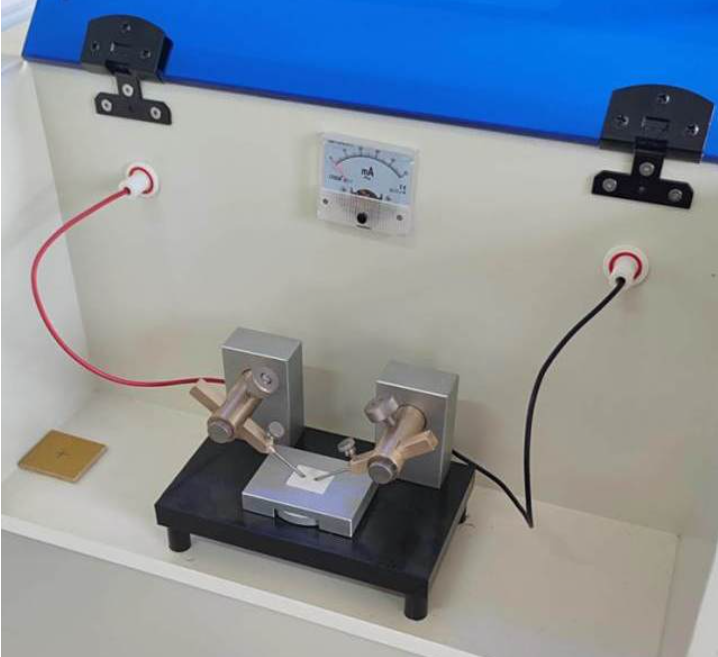
From Laboratory to Production Line: The Importance of Arc Resistance Tester
From laboratory-based material research and development to factory production line manufacturing, the arc resistance tester has always played an irreplaceable role, with its importance extending throughout the entire application process of insulating materials.
In laboratories, the arc resistance tester serves as a "touchstone" for advancing innovation in insulating materials. When researchers develop new insulating materials, they need to use this instrument to verify the arc resistance performance of materials produced with different formulations and manufacturing processes. By observing how materials perform under simulated arc environments, researchers can clearly identify the advantages and limitations of materials, allowing them to adjust research directions and optimize material compositions and structures accordingly.
With the support of accurate testing feedback, laboratories can continuously develop new materials with stronger arc resistance and better adaptability to complex electrical environments, laying a solid foundation for the advancement of insulation technology.
When materials move from the laboratory to the production line, the arc resistance tester becomes the "gatekeeper" of quality control. Production lines process large quantities of insulating materials every day, and whether the performance of these materials remains stable and meets required standards directly affects the safety and reliability of final products.
Through sampling inspection or full inspection on production lines, the arc resistance tester can quickly identify materials with insufficient performance and prevent them from entering subsequent production processes. For example, if a certain batch of insulating materials demonstrates inadequate arc resistance during testing, the production line can immediately suspend the use of that batch, investigate the source of the problem, and ensure that every batch of materials delivered from the factory meets quality requirements. This fundamentally reduces safety risks caused by material defects.
In addition, the arc resistance tester builds a "bridge" between laboratories and production lines. Laboratory research achievements need to be transformed into practical products through production processes, while the testing standards of the instrument provide a unified evaluation basis for both stages.
Laboratories conduct research and development according to established standards, while production lines perform inspections based on the same standards, ensuring consistency between development objectives and production requirements and avoiding situations where research achievements cannot be successfully implemented due to inconsistent evaluation criteria.
This collaborative function makes the transformation process of insulating materials from concepts to finished products more efficient and reliable, ultimately promoting the safe development of the entire electrical industry.
Conclusion
In summary, with its precise testing performance and standardized operating procedures, the arc resistance tester has become an essential quality control instrument in various industries.In the future, when you see a new energy vehicle operating quietly on the road, a substation running stably, or electrical equipment functioning safely, there may be insulating materials inside that have undergone strict verification by the Huace arc resistance tester, silently protecting electrical safety in unseen areas.For more detailed information about the equipment, please feel free to contact us directly.
Previous: What is an Adiabatic Accelerated Calorimeter?
N e x t : What is a safety footwear electrical hazard tester?
