





How does the film heat shrinkage tester work?
2026/08/04
Share:

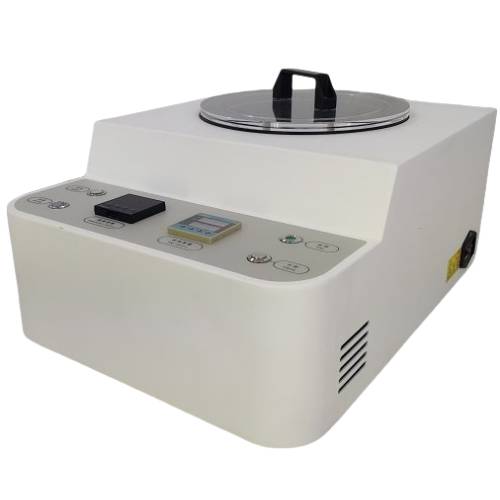
Testing Principle of Film Thermal Shrinkage Measurement
The film thermal shrinkage test evaluates the thermal stability of materials by measuring the changes in their dimensions under specific temperature and time conditions. During the testing process, a film specimen is placed in an oven maintained at a specified temperature. After being heated for a certain period, the specimen is removed, and the change in its length is measured to calculate the thermal shrinkage rate.
The thermal shrinkage rate refers to the percentage reduction in the length of a material during the heating process. It reflects the dimensional stability of the material under thermal treatment conditions and provides important data for evaluating its thermal performance and application suitability.
Testing Methods for Film Thermal Shrinkage Rate
The film thermal shrinkage test is generally performed using two methods: the direct method and the indirect method.
1. Direct Method
The direct method calculates the thermal shrinkage rate by directly measuring the length variation of a film specimen before and after heating. The specific testing procedure is as follows:
(1) Sample Preparation:
Select a representative film specimen and ensure that its length, width, and thickness are uniform and consistent.
(2) Initial Measurement:
Use a high-precision measuring tool, such as a vernier caliper, to measure the initial length of the specimen and record the measurement value.
(3) Heat Treatment:
Place the specimen into an oven set at a specified temperature and heat it for a predetermined period of time.
(4) Final Measurement:
After the specimen cools down to room temperature, measure its length again and record the final length value.
(5) Calculation of Thermal Shrinkage Rate:
Calculate the thermal shrinkage rate based on the difference between the initial length and the final length of the specimen.
2. Indirect Method
The indirect method evaluates the thermal shrinkage rate of film materials by measuring changes in stress during the heating process. This method typically uses instruments such as a Thermomechanical Analyzer (TMA) to measure the specimen’s coefficient of thermal expansion or shrinkage stress during heating, and then calculates the thermal shrinkage rate indirectly.
This method provides more detailed information about the thermal deformation behavior of film materials and is suitable for research and analysis of thermal stability, dimensional changes, and material performance under different temperature conditions.
Film Thermal Shrinkage Rate Testing Procedure
Taking the direct method as an example, the detailed testing procedure for film thermal shrinkage rate measurement is described as follows:
1. Preparation:
Check whether the testing equipment, such as the oven and measuring instruments, is in proper working condition. Ensure that the testing environment meets the required conditions, including temperature, humidity, and other relevant factors.
2. Sample Selection:
Select representative film specimens according to the testing purpose and requirements. Ensure that the length, width, and thickness of the specimens are uniform and consistent.
3. Initial Measurement:
Use a high-precision measuring instrument, such as a vernier caliper, to measure the initial length of the specimen and record the value. To improve measurement accuracy, multiple measurements should be performed and the average value should be taken.
4. Specimen Placement:
Place the specimen on the sample holder inside the oven, ensuring that the specimen is not subjected to any external force or mechanical stress during the heating process.
5. Setting Temperature and Heating Time:
Set the oven temperature and heating duration according to the testing requirements. Generally, the temperature range should be determined based on the thermal stability characteristics of the film material, and the heating time should be sufficient to allow the specimen to fully shrink.
6. Heat Treatment:
Start the oven for heating treatment. During the heating process, closely monitor the temperature variation of the oven to ensure that the temperature remains within the specified range.
7. Specimen Removal:
After the specified heating time is reached, turn off the oven and remove the specimen. Care should be taken during removal to avoid burns and prevent damage to the specimen.
8. Final Measurement:
After the specimen has cooled to room temperature, use the same measuring instrument to measure its length again and record the value. Similarly, multiple measurements should be conducted and the average value should be calculated to ensure accuracy.
9. Calculation of Thermal Shrinkage Rate:
Calculate the thermal shrinkage rate based on the difference between the initial length and the final length. The calculation formula is:
Thermal Shrinkage Rate (%) = (Initial Length − Final Length) / Initial Length × 100%
The calculated value represents the percentage dimensional change of the film material after heat treatment and is an important indicator for evaluating its thermal stability and dimensional reliability.
Analysis of Film Thermal Shrinkage Test Results
Through the film thermal shrinkage test, a series of data can be obtained, including the initial length, final length, and thermal shrinkage rate of the specimen. These data are of great significance for evaluating the thermal stability and dimensional stability of film materials. The test results can be analyzed as follows:
1. Evaluation of Dimensional Stability Based on Thermal Shrinkage Rate:
The value of thermal shrinkage rate reflects the dimensional stability of the material during heat treatment. A lower thermal shrinkage rate indicates that the material undergoes less dimensional change during heating, demonstrating better thermal stability. Therefore, when selecting film materials, priority should be given to materials with lower thermal shrinkage rates to ensure better performance in practical applications.
2. Comparison Under Different Temperature and Time Conditions:
By comparing the thermal shrinkage rates of film materials under different heating temperatures and durations, the performance differences of materials under various thermal treatment conditions can be evaluated. This helps determine the most suitable film material for specific application environments and processing requirements.
3. Evaluation of Appearance and Physical Changes:
In addition to thermal shrinkage rate measurements, the thermal stability of materials can be further evaluated by observing changes in the specimen’s appearance and physical characteristics. For example, inspectors can check whether cracks, deformation, or other defects occur after heating, as well as whether changes appear in the material’s color, gloss, or surface condition.
4. Influence of Material Factors on Test Results:
In practical applications, other factors affecting the thermal stability of film materials should also be considered. Parameters such as film thickness, material composition, and manufacturing process may influence the thermal shrinkage rate. Therefore, during film thermal shrinkage testing, these factors should be comprehensively considered to obtain more accurate and reliable evaluation results.
Importance of Using a Film Thermal Shrinkage Performance Tester
1. Quality Control:
Regular testing of PE heat shrinkable films using a Film Thermal Shrinkage Performance Tester helps ensure product quality stability and consistency. For quality inspection centers and packaging material manufacturers, this testing method is an essential tool for effective quality control and product performance verification.
2. Product Development:
During the product development stage, the thermal shrinkage tester helps researchers quickly understand the thermal shrinkage characteristics of materials. The test data provides a scientific basis for product design, material selection, and formulation optimization, enabling the development of films with improved performance.
3. Production Monitoring:
The tester can help identify potential problems during the manufacturing process in a timely manner, allowing manufacturers to adjust production parameters, reduce the occurrence of defective products, and improve overall production efficiency.
4. Market Competitiveness:
Accurate understanding of the thermal shrinkage performance of film materials helps enterprises gain competitive advantages in the market. By optimizing product design and manufacturing processes, companies can improve packaging performance and visual presentation, thereby enhancing product appeal and customer satisfaction.
In summary, film thermal shrinkage rate testing is one of the important methods for evaluating the thermal stability of film materials. By selecting appropriate testing methods, strictly controlling test conditions, and carefully analyzing test results, accurate thermal shrinkage data can be obtained to provide reliable technical support for the application and development of film materials.
Previous: What is an assembly line in the automotive industry?
N e x t : Do you know what a Microbial Barrier Tester is?
