





Do you know what a Microbial Barrier Tester is?
2026/08/04
Share:

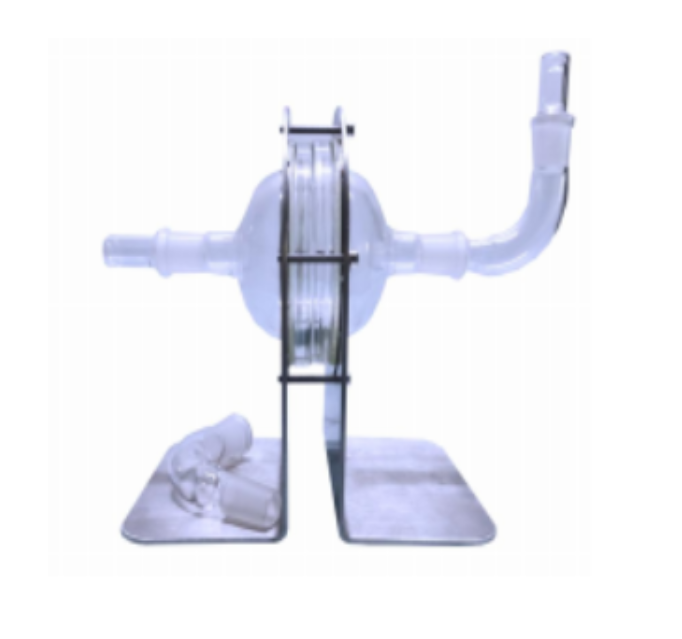
Four Types of Bacterial Barrier Testers
The Bacterial Barrier Tester is mainly used to evaluate the bacterial barrier performance of materials under specific environmental conditions. It features high testing efficiency, accurate results, and simple operation. According to different testing environments and application requirements, bacterial barrier testers can generally be divided into the following four types:
1. ISO 22196 Wet-State Bacterial Barrier Tester
The ISO 22196 Wet-State Bacterial Barrier Tester is used to evaluate the ability of materials to prevent bacterial growth and transmission under humid conditions. It can simulate different temperature and humidity environments and supports testing with microorganisms such as Escherichia coli and Staphylococcus aureus.
The instrument features automated operation and data analysis functions, with the testing process complying with international standards such as ISO 22196. making it suitable for evaluating the antibacterial performance of various materials.
2. Dry-State Bacterial Barrier Tester
The Dry-State Bacterial Barrier Tester is mainly used to evaluate the bacterial barrier performance of materials under dry conditions. The test is performed by allowing standardized bacterial solutions to come into contact with the material and observing bacterial growth after incubation.
It is widely applied in the evaluation of materials used in medical devices, food packaging, and other industries, helping determine their ability to prevent bacterial penetration in dry environments.
3. Semi-Wet-State Bacterial Barrier Tester
The Semi-Wet-State Bacterial Barrier Tester is designed to simulate bacterial barrier performance under partially humid or combined dry-wet conditions. It supports two testing modes: outer dry/inner wet and outer wet/inner dry.
The equipment adopts a hemispherical glass testing device and high-temperature-resistant materials, allowing it to adapt to sterilization environments and evaluate the barrier performance of materials under more complex application conditions.
4. Microbial Penetration Tester
The Microbial Penetration Tester evaluates the ability of materials to resist microbial penetration by simulating mechanical pressure and wet conditions.
It adopts an electrically driven rotating disc system and stainless-steel pressure device to quantitatively determine the number of colonies formed on agar culture media. The tester is widely used for evaluating various medical barrier materials, including surgical gowns, protective fabrics, and other healthcare-related protective products.
Principle of the Bacterial Barrier Tester
The core principle of the Bacterial Barrier Tester is to simulate the process of bacterial penetration through materials under specific environmental conditions (dry state or wet state). By detecting whether bacterial colonies grow or turbidity appears in the culture medium on the opposite side of the material, the instrument determines the material’s bacterial barrier performance.
Core Working Mechanism
1. Specimen Clamping and Bacterial Challenge:
The test specimen is securely mounted between two isolated chambers. A standardized bacterial suspension or bacteria-containing particles are applied to one side of the specimen, while a liquid or solid culture medium is placed on the other side for bacterial penetration detection.
2. Penetration Simulation:
The tester simulates actual application conditions by inducing microbial penetration through different mechanisms, such as static diffusion, airflow transport, mechanical friction, or pressure loading, allowing microorganisms to challenge the barrier properties of the material.
3. Result Evaluation:
After incubation for a specified period, the detection side is examined for turbidity changes or bacterial colony formation. The bacterial barrier performance of the material is then evaluated through qualitative observation or quantitative colony counting.
Through controlled simulation and accurate detection, the Bacterial Barrier Tester provides reliable data for evaluating the protective performance of medical barrier materials, wound dressings, protective textiles, and other products requiring bacterial resistance assessment.
Operating Procedure of the Bacterial Barrier Tester
The operation of the Bacterial Barrier Tester should begin by ensuring that all testing procedures are carried out in a clean laboratory environment to eliminate the influence of external factors on test results. Before starting the test, carefully inspect the equipment to ensure that all components are intact and functioning properly. At the same time, prepare the required reagents, culture media, and test specimens, ensuring that their quality and quantity meet the experimental requirements.
Next, place the test specimen in the designated position of the testing device according to the specific testing requirements. During specimen installation, avoid contamination or damage to ensure the accuracy and reliability of the test results. The relevant parameters of the equipment, such as temperature and humidity, should also be adjusted according to the test conditions to simulate the actual application environment and improve the relevance of the test results.
During the testing process, closely monitor the operating status of the instrument and regularly observe and record experimental data. If any abnormal conditions occur, appropriate measures should be taken promptly to prevent adverse effects on the test results. In addition, maintaining proper laboratory ventilation and cleanliness is essential to prevent cross-contamination.
After the test is completed, the equipment should be thoroughly cleaned and disinfected to avoid affecting subsequent tests. The collected experimental data should then be analyzed and processed to obtain accurate bacterial barrier performance test results.
In summary, the operation of the Bacterial Barrier Tester involves multiple procedures and requires strict compliance with standardized operating protocols. Through proper equipment operation and careful experimental procedures, accurate and reliable bacterial barrier test results can be obtained, providing strong support for product quality control and safety evaluation. During operation, attention should also be paid to laboratory safety and environmental protection requirements to ensure smooth testing procedures and the health and safety of personnel.
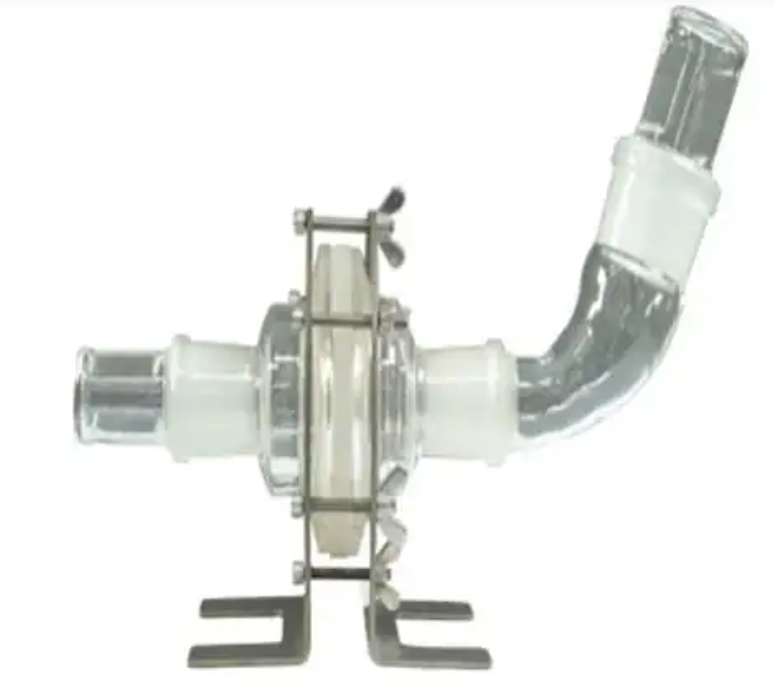
Wide Applications of the Bacterial Barrier Tester
The Bacterial Barrier Tester is mainly used to evaluate the protective performance of materials against the penetration of microorganisms, bacteria, or viruses under specific conditions. It is widely applied in fields such as medical protection, pharmaceutical manufacturing, advanced textiles, and food packaging.
1. Medical Protective Equipment:
The tester is used to evaluate the dry-state and wet-state microbial penetration resistance of medical protective clothing, surgical gowns, surgical drapes, and cleanroom garments. It helps prevent the transmission of body fluids and bacterial contamination during medical procedures, improving the safety of clinical environments.
2. Pharmaceutical Industry and Biological Laboratories:
The instrument is applied in sterile manufacturing processes to verify the sealing performance and bacterial barrier effectiveness of high-efficiency air filtration systems, sterile packaging materials, and isolation barrier systems, ensuring the reliability of contamination control measures.
3. Functional Textiles:
The tester is used to evaluate the actual microbial barrier efficiency of antibacterial fabrics, hygiene products, and civilian protective masks, providing technical support for product development, performance evaluation, and quality inspection.
4. Food and Packaging Industry:
The equipment is used to test the bacterial barrier sealing performance of various sterile packaging films and containers, helping ensure the safety and extended shelf life of food and beverages.
Functions of the Bacterial Barrier Tester
The core function of the Bacterial Barrier Tester is to evaluate the ability of packaging materials or medical textiles to prevent microbial penetration under specific conditions, thereby verifying the integrity and protective effectiveness of sterile barrier systems.
1. Verification of Sterile Barrier Performance:
The tester is used to evaluate whether medical sterile packaging, cleanroom garments, surgical drapes, and other protective materials can effectively block the penetration of bacteria, spores, and other microorganisms, ensuring that the packaged contents remain sterile during storage and transportation.
2. Supporting Compliance Verification:
Based on international standards such as ISO and ASTM, the instrument provides reliable evidence of microbial barrier performance for medical device packaging and pharmaceutical packaging, helping manufacturers meet regulatory requirements and quality verification standards.
3. Differentiating Material Protection Levels:
By simulating conditions such as aerosol microbial challenges or dry-state penetration tests, the tester can qualitatively or semi-quantitatively evaluate the relative barrier efficiency of different breathable materials. This supports material selection, product development, and quality control processes.
4. Ensuring End-Use Safety:
The tester helps prevent microbial contamination caused by packaging micropores, sealing defects, or material porosity, reducing the risk of clinical infection. It is widely used in product development verification, production line quality inspection, and third-party testing applications.
In summary, as a key instrument for maintaining sterile environments and ensuring product biosafety, the accuracy and reliability of the Bacterial Barrier Tester are of great importance. We sincerely welcome enterprises, research institutions, and professional users interested in this technology to contact us for more detailed information about equipment specifications, application cases, and customized testing solutions.
Previous: How does the film heat shrinkage tester work?
N e x t : What is an automotive wire cross-linking test device?
