





What is an automotive wire cross-linking test device?
2026/08/04
Share:

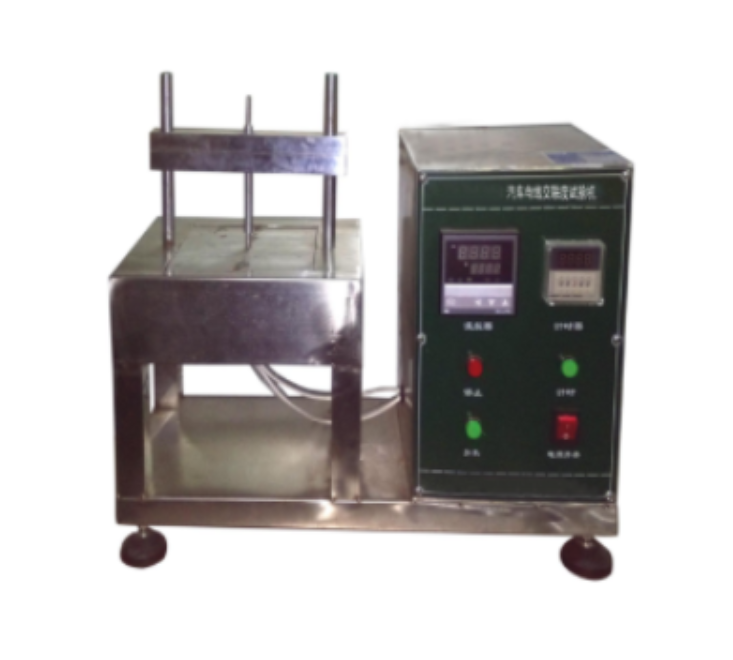
Main Applications of the Automotive Wire Crosslinking Test Apparatus
The Automotive Wire Crosslinking Test Apparatus is mainly used to evaluate the crosslinking process, crosslinking quality, thermal performance, mechanical properties, and electrical performance of automotive wire insulation materials. By simulating actual service conditions, the equipment provides reliable technical support for the development, optimization, and quality control of automotive cables.
1. Evaluation of the Feasibility of Wire Crosslinking Processes
Crosslinking Reaction Simulation:
By controlling parameters such as temperature, pressure, and radiation dosage, the apparatus simulates the chemical or physical changes that occur during the crosslinking process of wire insulation materials, such as polyethylene (PE) and polyvinyl chloride (PVC), helping verify the feasibility of different crosslinking processes.
Process Optimization:
The equipment assists manufacturers in optimizing key process parameters, including crosslinking temperature, processing time, and catalyst dosage, ensuring that the insulation layer achieves the desired crosslinking degree and improving the overall performance and reliability of automotive wires.
2. Testing the Crosslinking Quality of Automotive Wires
Crosslinking Degree Measurement:
The apparatus can measure the crosslinking degree of wire insulation layers through parameters such as gel content and crosslinking density, determining whether the material meets relevant technical standards and performance requirements.
Uniformity Evaluation:
It evaluates the uniformity of the crosslinking reaction throughout the insulation layer, preventing performance defects caused by insufficient or excessive crosslinking in localized areas.
3. Verification of Thermal Resistance Performance
Thermal Aging Test:
The apparatus simulates long-term operation of automotive wires under high-temperature conditions to evaluate whether the crosslinked insulation layer provides improved heat resistance, thermal deformation resistance, and thermal stability.
Thermal Shock Test:
By applying rapid heating and cooling cycles, the equipment evaluates the stability of wire performance under extreme temperature fluctuations, ensuring that cables can maintain reliable operation without failure caused by thermal stress.
4. Evaluation of Mechanical Properties of Automotive Wires
Tensile Strength Testing:
The apparatus measures mechanical properties of crosslinked wires, including tensile strength and elongation at break, to verify whether the wire meets practical application requirements.
Abrasion Resistance Testing:
By simulating operating conditions involving friction and repeated bending, the equipment evaluates the improvement in wire abrasion resistance achieved through the crosslinking process.
5. Research on Electrical Performance of Automotive Wires
Insulation Resistance Testing:
The apparatus evaluates the insulation resistance of crosslinked wires to ensure excellent electrical insulation performance and prevent issues such as leakage current and short circuits.
Dielectric Strength Testing:
It assesses the breakdown resistance of wires under high-voltage conditions, ensuring electrical safety, reliability, and long-term stability during actual vehicle operation.
Working Principle of the Automotive Wire Crosslinking Test Apparatus
The core principle of the Automotive Wire Crosslinking Test Apparatus is to quantitatively evaluate the deformation behavior and gel content of insulation materials under heat and mechanical stress through hot elongation testing or solvent extraction methods, thereby verifying whether the material has formed a stable three-dimensional crosslinked network structure.
1. Principle of Hot Elongation Testing (Mainstream Method)
The hot elongation test utilizes the characteristic transformation of crosslinked materials from thermoplastic behavior to thermosetting behavior. Under a constant load at a controlled temperature of 200°C ± 3°C, the test specimen is subjected to a specified force, and its elongation rate is measured.
Materials that are not crosslinked or insufficiently crosslinked will undergo excessive permanent deformation due to molecular chain slippage. In contrast, a fully crosslinked three-dimensional network structure can effectively restrict molecular chain movement, maintaining dimensional stability and shape integrity under high-temperature conditions.
2. Principle of Gel Content Measurement
The gel content measurement method is based on the solvent extraction method. The test specimen is immersed in a specified solvent and heated under reflux conditions. The uncrosslinked linear molecular chains dissolve and are removed, while only the gel fraction containing the three-dimensional crosslinked network structure remains.
By calculating the ratio of the remaining dry weight to the original sample weight, the crosslinking degree can be directly evaluated. Generally, a gel content of ≥85% is considered to meet the qualification requirements, indicating sufficient crosslinking performance.
3. Auxiliary Verification Mechanisms
Some crosslinking test apparatuses integrate additional evaluation methods, such as hot plate contact testing and dielectric breakdown testing, to indirectly assess the improvements in thermal resistance and electrical insulation performance achieved through the crosslinking process.
Hot plate contact test: The insulation layer is exposed to a high-temperature environment of 250°C to observe whether melting, deformation, or collapse occurs, thereby evaluating the heat resistance of the crosslinked material.
Dielectric strength test: The insulation performance of the wire is evaluated under high-voltage conditions by measuring its resistance to electrical breakdown, providing further verification of the reliability and safety of the crosslinking process.
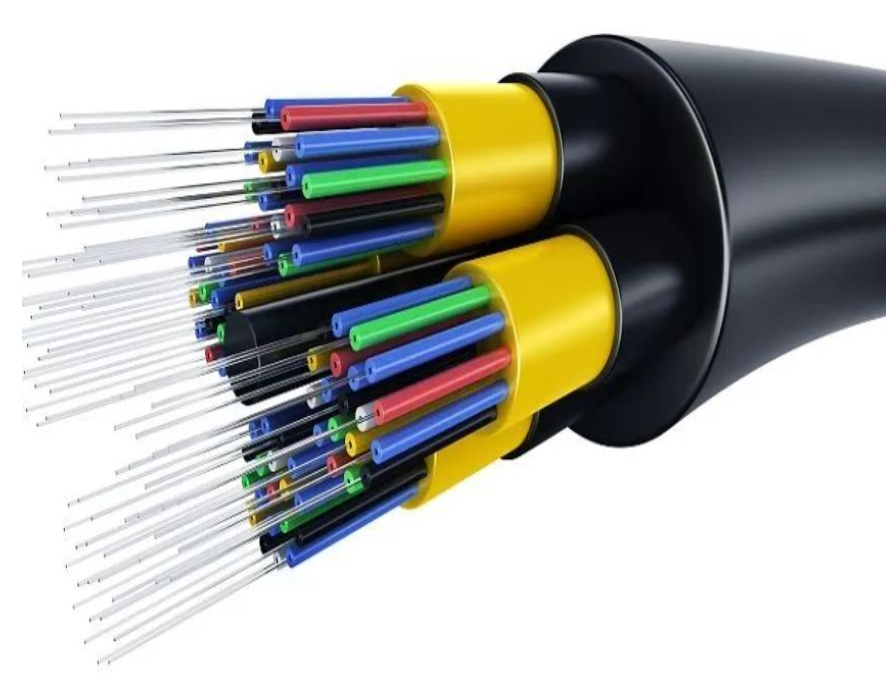
Industry Value of the Automotive Wire Crosslinking Test Apparatus
The core industry value of the Automotive Wire Crosslinking Test Apparatus lies in the quantitative verification of insulation material crosslinking degree, ensuring that automotive-grade cables maintain excellent heat resistance, mechanical strength, and electrical safety under high voltage, high temperature, and complex vibration conditions. With the increasing trend toward high-voltage systems in new energy vehicles, this equipment has become a critical quality control point for certification approval, process optimization, and failure prevention.
1. Core Functions and Technical Positioning
Accurate Crosslinking Degree Characterization:
By measuring key parameters such as gel content and swelling ratio, the equipment quantitatively evaluates the density of polymer crosslinked networks. These parameters directly determine the insulation layer’s resistance to thermal deformation and dimensional stability under operating conditions.
Process Window Optimization:
The apparatus simulates thermal or radiation crosslinking processes, helping R&D teams optimize key parameters such as temperature, processing time, and catalyst ratio. It prevents performance issues caused by insufficient crosslinking (such as softening and deformation) or excessive crosslinking (such as brittleness and cracking risks).
Multi-Dimensional Performance Correlation Verification:
Crosslinking degree data is strongly correlated with important performance indicators, including dielectric breakdown strength, thermal aging resistance, and chemical solvent resistance. Therefore, crosslinking evaluation serves as a fundamental basis for comprehensive reliability assessment of automotive wire insulation materials.
2. Key Industry Value Dimensions
Safety Compliance and Market Access Requirements:
The equipment helps manufacturers meet mandatory testing requirements. Without reliable crosslinking evaluation data, automotive wire products may fail to pass supplier audits from vehicle manufacturers and certification processes such as CCC and TÜV, directly affecting market access.
Essential Requirement for New Energy Vehicle High-Voltage Systems:
As electric vehicle voltage platforms continue to evolve toward 800V systems, traditional PVC insulation materials are becoming increasingly unsuitable for demanding applications. High-performance materials such as crosslinked polyethylene (XLPE) are being adopted more widely, making crosslinking testing an indispensable evaluation process for high-voltage automotive cables.
Full Life-Cycle Cost Control:
During the R&D stage, the equipment helps screen material formulations and prevent large-scale recalls after mass production. During manufacturing, batch sampling inspections can effectively prevent serious after-sales issues, such as short circuits and fires caused by insulation shrinkage, melting, or performance degradation.
Enhancing Supply Chain Technical Competitiveness:
Companies equipped with high-precision crosslinking evaluation capabilities can participate in defining material performance standards, shifting from low-cost manufacturing toward technology-driven production and improving their competitiveness and bargaining power within automotive supply chains.
3. Application Scenarios and Decision Support
R&D Stage:
The apparatus helps compare the effects of different crosslinking processes on the microstructure and performance of insulation materials, accelerating the introduction and validation of new materials.
Production Stage:
As a key part of product type testing and quality control, the equipment monitors the stability of extrusion production processes and ensures that the gel content of each production batch meets specified requirements.
Failure Analysis:
When wire harnesses experience premature aging or insulation failure, historical crosslinking test data can be analyzed to determine whether the failure originates from raw material defects or process parameter deviations.
The Automotive Wire Crosslinking Test Apparatus has evolved from a conventional quality inspection tool into the “gatekeeper” of automotive cable quality assurance systems. The accuracy and reliability of its testing data directly influence the safety margin and long-term reliability of vehicle electrical systems.
In summary, with the rapid development of automotive electrification and intelligent technologies, vehicle electrical architectures are placing increasingly stringent demands on cable performance. The importance of the Automotive Wire Crosslinking Test Apparatus has expanded from basic quality inspection to a critical technology supporting the long-term reliability of core electrical systems. It not only provides precise quantification of insulation crosslinking status but also plays an essential role in failure analysis, process optimization, and quality traceability, making it a fundamental component for building a reliable automotive-grade cable supply chain.For applications requiring specific testing solutions, technical specifications, or industry case studies, professional consultation can provide detailed information and customized support for different automotive cable evaluation requirements.
Previous: Do you know what a Microbial Barrier Tester is?
N e x t : How does the car seat center of gravity measuring tester work?
