





How does a combined salt spray test chamber work?
2026/08/06
Share:

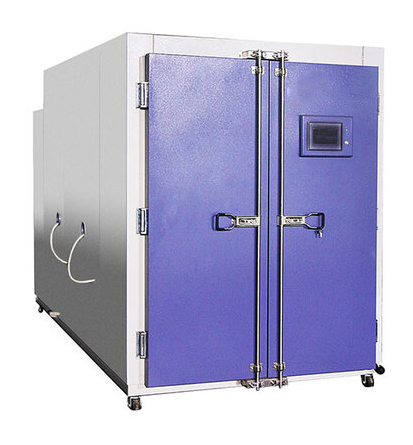
Technical Breakthroughs: Achieving High-Precision Environmental Simulation
The manufacturing of a Composite Salt Spray Test Chamber requires overcoming three major technical challenges: precise environmental parameter control, coordinated operation of multiple systems, and long-term operational stability.
First, the equipment must be equipped with high-precision sensors and an intelligent control system to ensure accurate environmental regulation, with temperature fluctuations controlled within ≤ ±0.5°C, humidity fluctuations within ≤ ±2%RH, and salt spray deposition uniformity exceeding 95%.
Second, the salt spray generation system, heating system, refrigeration system, and ventilation system must operate seamlessly together to prevent test interruptions caused by conflicts between different environmental parameters.
Finally, the chamber body should be manufactured using highly corrosion-resistant 316L stainless steel, combined with a double-layer vacuum structure to minimize heat loss. This design ensures that the equipment maintains stable performance even after continuous operation for several months, providing reliable and consistent test results.
Working Principle of Composite Salt Spray Test Chamber
The Composite Salt Spray Test Chamber simulates corrosive environments found in marine or industrial atmospheres by generating salt spray with a specified concentration inside a sealed test chamber. In addition to performing conventional salt spray tests, the equipment can also combine environmental factors such as temperature and humidity to conduct multi-factor combined environmental testing.
The working principle mainly consists of the following steps:
1. Solution Preparation
According to the requirements of relevant testing standards, a sodium chloride solution with a specified concentration is accurately prepared.
2. Salt Spray Generation
Compressed air is used to atomize the sodium chloride solution, producing a uniformly distributed salt spray within the test chamber.
3. Environmental Control
The temperature and humidity inside the test chamber are precisely adjusted to meet the requirements of different testing conditions and standards.
4. Sample Exposure
The samples under test are placed inside the chamber, allowing their surfaces to be fully exposed to the salt spray environment for corrosion resistance evaluation.
5. Data Recording and Analysis
The surface changes of the samples are regularly observed and recorded. The corrosion degree is then analyzed based on the appearance changes and test data to evaluate the material’s corrosion resistance performance.
Preparation Before Using a Composite Salt Spray Test Chamber
Before operating a Composite Salt Spray Test Chamber, proper preparation is essential to ensure test accuracy, reliability, and compliance with relevant standards. The preparation steps include:
1. Familiarization with Testing Standards
Understand and become familiar with relevant international and national standards, such as ISO 9227 and ASTM B117. to ensure that the testing procedures comply with standardized requirements.
2. Safety Inspection
Check that all safety protection devices and components of the test chamber are functioning properly to prevent potential accidents during operation.
3. Equipment Calibration
Regularly calibrate temperature and humidity sensors to ensure that measurement accuracy meets the specified testing requirements.
4. Sample Preparation
Clean the surface of the test samples and remove oil, grease, and other contaminants to prevent external factors from affecting the accuracy and reliability of test results.
Precautions During Operation of Composite Salt Spray Test Chamber
During the operation of a Composite Salt Spray Test Chamber, proper procedures and precautions should be followed to ensure test accuracy, equipment safety, and operator protection.
1. Parameter Setting
According to the specific testing objectives and requirements, properly set key parameters such as temperature, humidity, and salt spray concentration to ensure that the test conditions meet the specified standards.
2. Sample Placement
Place the test samples evenly inside the chamber and avoid overlapping or mutual shielding between samples. Ensure that each sample is fully exposed to the salt spray environment for accurate corrosion evaluation.
3. Monitoring and Data Recording
Use a data logger or monitoring system to track environmental changes inside the test chamber in real time. Adjust parameters when necessary to maintain stable and consistent testing conditions throughout the test process.
4. Safety Protection
Operators should wear appropriate personal protective equipment (PPE), such as dust masks, safety goggles, and other protective gear, to prevent inhalation of salt spray or accidental contact with eyes.
Post-Test Treatment and Analysis
After completing the test, proper sample handling and data analysis are essential to accurately evaluate the corrosion resistance performance of materials or products.
1. Sample Cleaning
After the test is completed, rinse the sample surface with clean water to remove residual salt deposits and salt spray contaminants. Then dry the sample with a soft cloth.
2. Visual Inspection
Carefully inspect the corrosion conditions on the sample surface and record relevant information, including corrosion morphology, affected area, depth, and other appearance characteristics.
3. Data Analysis
Analyze the corrosion resistance performance of the material or product by comparing changes in sample properties before and after testing, combined with the test results and evaluation data.
4. Report Preparation
Organize the test data and prepare a detailed test report to provide valuable references for further research, product improvement, and quality control.
Maintenance Recommendations
Regular maintenance is essential to ensure the long-term stability and reliable performance of the Composite Salt Spray Test Chamber.
1. Cleaning and Maintenance
Regularly clean the interior of the test chamber, with special attention to the cleaning of spray nozzles and pipelines to prevent blockage caused by salt deposits.
2. Component Inspection
Inspect the operating condition of critical components, such as heaters and humidifiers. Replace damaged parts when necessary to maintain proper equipment performance.
3. Consumable Replacement
Replace consumable components, such as filter screens and salt spray nozzles, in a timely manner to ensure stable equipment operation and consistent test results.
4. Professional Training
Provide regular professional training for operators to improve operational skills, standardize testing procedures, and enhance safety awareness.
Key Equipment Selection Criteria: How to Avoid the "Low-Price Trap"
The price differences among Composite Salt Spray Test Chambers available on the market can be significant. Low-cost equipment often achieves price reductions by simplifying control systems or reducing material quality.
For example, test chambers manufactured with ordinary stainless steel materials may corrode easily under long-term salt spray exposure, resulting in inaccurate test data. Insufficient sensor accuracy may also cause temperature fluctuations exceeding ±2°C, making the equipment unable to meet strict testing standards.
Therefore, when selecting a composite salt spray test chamber, users should focus on key factors such as parameter control accuracy, corrosion resistance of materials, system stability, and after-sales service response capability, rather than simply comparing purchase prices.
Environmental simulation testing represents the final quality assurance barrier before products enter the market. As a core piece of environmental testing equipment, the manufacturing quality of a Composite Salt Spray Test Chamber directly determines the reliability and accuracy of test results.
Whether developing new materials or improving existing products, selecting a technically mature and stable test chamber can provide strong support for product quality assurance. For equipment selection or customized testing solutions, understanding industry standards and consulting professional engineers can help users make more suitable decisions.
In summary, the Composite Salt Spray Test Chamber is an essential tool for evaluating the corrosion resistance of materials and products. Proper operation and regular maintenance not only ensure accurate and reliable test results but also extend equipment service life and reduce maintenance costs.By adopting standardized testing procedures and selecting high-performance environmental simulation equipment, enterprises can effectively improve product reliability and accelerate the development of high-quality materials and products.
Previous: How does a cork puncture and chip detection instrument work?
N e x t : How does a goggles puncture resistance testing machine work?
