





How Does Automotive Wire Aging Testing Improve Reliability?
2026/08/10
Share:

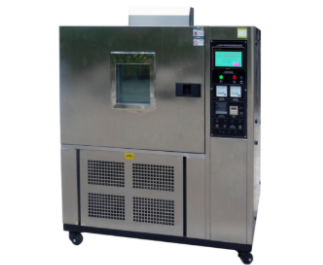
Working Principle of the Automotive Wire Temperature and Humidity Cycling Test Chamber
1. High and Low Temperature Alternating Control Principle
1.1 Cooling and Heating Balance Control System
The test chamber adopts a vapor compression refrigeration system combined with electric heating compensation to achieve bidirectional balanced temperature control.
Under low-temperature conditions, the refrigeration unit rapidly reduces the chamber temperature through the phase-change heat absorption process of the refrigerant, including compression, condensation, throttling, and evaporation, simulating harsh winter environments and low-temperature conditions around vehicle chassis areas.
Under high-temperature conditions, the electric heating system is activated to release heat. Combined with hot air circulation through the air duct system, the chamber temperature is increased to simulate high-temperature exposure in engine compartments and heat generated during long-term vehicle operation.
1.2 Intelligent Temperature Control Principle
The equipment adopts an industrial PID intelligent control algorithm with multiple temperature sensors to collect real-time temperature data from different areas inside the chamber. The system dynamically adjusts cooling and heating output power to achieve precise temperature regulation and programmable temperature cycling.
The system can set step-by-step temperature cycling programs to automatically complete closed-loop cycles such as:
Low Temperature → Normal Temperature → High Temperature → Normal Temperature
This process simulates periodic environmental temperature changes, applies alternating thermal stress to automotive wires, and accelerates aging and failure evaluation of insulation materials.
2. Constant Temperature and Humidity Generation Principle
2.1 Humidity Control System
The humidity system adopts a combined control mode of electrode/ultrasonic humidification and refrigeration condensation dehumidification.
When a high-humidity environment is required, the humidification system generates clean water vapor and distributes it evenly into the chamber through the air circulation system, increasing the relative humidity inside the chamber.
When humidity becomes excessive, the low-temperature evaporator of the refrigeration system condenses water vapor in the air into liquid water, thereby reducing humidity and achieving dehumidification control.
2.2 High-Precision Humidity Feedback Control
The system uses high-precision humidity sensors to monitor humidity conditions in real time and automatically switches between humidification and dehumidification modes to maintain the preset temperature and humidity values.
During temperature and humidity alternating cycles, the system automatically compensates humidity changes caused by temperature fluctuations, preventing large humidity deviations during heating and cooling processes.
This allows the equipment to accurately simulate environmental conditions such as:
Rainy and humid seasons
Day-night condensation environments
High-temperature and high-humidity conditions
The test evaluates moisture absorption, mildew resistance, hydrolysis resistance, and insulation resistance degradation characteristics of automotive wire insulation layers.
3. Air Circulation and Environmental Uniformity Principle
3.1 Uniform Airflow Circulation Design
The chamber adopts an upper air supply and lower air return silent circulation duct structure, combined with multiple airflow equalizing louvers.
The circulating system creates a closed-loop airflow environment, ensuring uniform distribution of:
Hot and cold air
Humidity
Temperature conditions
inside the chamber.
This effectively eliminates temperature and humidity dead zones in different areas of the chamber, including:
Upper and lower areas
Front and rear areas
Left and right areas
It ensures that all automotive wire specimens are exposed to consistent environmental conditions, reducing test deviations caused by local temperature or humidity differences and improving test repeatability and comparability.
3.2 Thermal Insulation and Sealing Structure
The sealed thermal insulation enclosure effectively isolates external environmental interference, prevents heat transfer and moisture leakage, and ensures stable long-term operation during temperature and humidity cycling tests.
4. Programmable Cycling Aging and Performance Evaluation Principle
4.1 Programmable Environmental Simulation Control
The equipment is equipped with a programmable intelligent control system, allowing users to define multi-stage temperature and humidity cycling programs, including:
Holding time
Temperature change rate
Humidity change parameters
Number of cycles
The system automatically performs long-term environmental simulation aging tests while continuously recording:
Temperature curves
Humidity curves
Operating status
Number of completed cycles
4.2 Reliability Evaluation After Testing
After the test is completed, automotive wires are evaluated through various performance inspections, including:
Visual appearance inspection
Insulation resistance testing
Electrical continuity testing
Dielectric withstand voltage testing
Tensile strength testing
Sheath aging evaluation
Elongation rate measurement
By comparing performance changes before and after environmental exposure, the equipment evaluates the comprehensive reliability of automotive wires in terms of:
Temperature and humidity cycling resistance
Aging resistance
Condensation corrosion resistance
The obtained test data provides scientific support for:
Product material formulation optimization
Manufacturing process improvement
Automotive OEM certification and qualification approval.
Applications of the Automotive Wire Temperature and Humidity Cycling Test Chamber
1. Automotive Wire and Harness R&D Aging Testing and Production Quality Control
The test chamber is widely used for research and development aging tests of automotive low-voltage wires, high-voltage cables, and complete vehicle wiring harness assemblies. It helps compare the aging differences of various insulation materials, sheath formulations, and extrusion processes under temperature and humidity cycling conditions, providing guidance for material selection and manufacturing process optimization.
Meanwhile, as a routine production inspection device, the chamber can perform batch sampling tests to evaluate the temperature and humidity cycling resistance of products, effectively preventing potential failures such as insulation aging, cracking, electrical leakage, and insulation breakdown.
2. Automotive OEM Qualification and Component Reliability Verification
Major automotive manufacturers require suppliers of automotive wires and wiring harness components to conduct temperature and humidity cycling tests as part of component reliability verification.
The complete test data and specimen evaluation results generated by the chamber serve as essential technical documentation for:
Automotive component qualification approval
Supplier audits
Type testing and certification
The equipment helps ensure compliance with environmental reliability requirements for automotive components.
3. Environmental Aging Evaluation of Wire Insulation and Sheath Materials
The test chamber is suitable for environmental aging tests of automotive wire materials, including:
PVC insulation materials
XLPE (cross-linked polyethylene)
Cross-linked polyolefin materials
Low-smoke halogen-free insulation materials
It evaluates the degradation behavior of physical and electrical properties under alternating high/low temperature and humidity conditions, providing experimental data support for the development of new-generation environmentally friendly automotive cable materials.
4. Third-Party Testing, Certification, and Scientific Research Applications
Third-party automotive testing laboratories use the equipment to conduct:
Commissioned testing
Type certification testing
Quality arbitration testing
Batch sampling inspections
according to national standards, European standards, American standards, and automotive enterprise standards, providing authoritative test reports.
Universities and research institutions also utilize the equipment to study:
Moist heat aging mechanisms of polymer materials
Automotive wire service life prediction
Environmental stress failure mechanisms
These studies contribute to industry standard improvement and technological advancement.
5. New Energy Vehicle High-Voltage Cable and Charging System Reliability Testing
High-voltage wiring harnesses and charging cables used in new energy vehicles require higher resistance to temperature and humidity variations and improved insulation stability.
Through temperature and humidity cycling tests, the chamber can simulate complex vehicle operating environments and evaluate risks such as:
Long-term humid heat aging of high-voltage cables
Insulation degradation caused by condensation
Electrical safety risks under harsh environmental conditions
This helps ensure the electrical safety, reliability, and long-term performance of new energy vehicles.
The Automotive Wire Temperature and Humidity Cycling Test Chamber integrates advanced technologies including thermal cycling temperature control, temperature-humidity coordinated regulation, uniform airflow circulation, and programmable aging control. It can accurately reproduce complex environmental conditions experienced by automotive wires during actual service, including rapid temperature changes, humid heat cycles, and condensation aging.The equipment provides precise evaluation of the environmental reliability and service life of automotive cable insulation layers, protective sheaths, and complete wiring harness systems.With the rapid development of new energy vehicles and intelligent connected vehicles, environmental reliability requirements for automotive wires and cables are becoming increasingly strict. The temperature and humidity cycling test chamber will continue to play a critical role in supporting automotive electrical system safety, improving component quality, and promoting the advancement of industry standards.
Previous: What is Complete Footwear Breathability and Thermal Insulation Tester?
N e x t : What is Incline Impact Tester?
