





What is a building materials combustion calorimeter?
2026/08/12
Share:

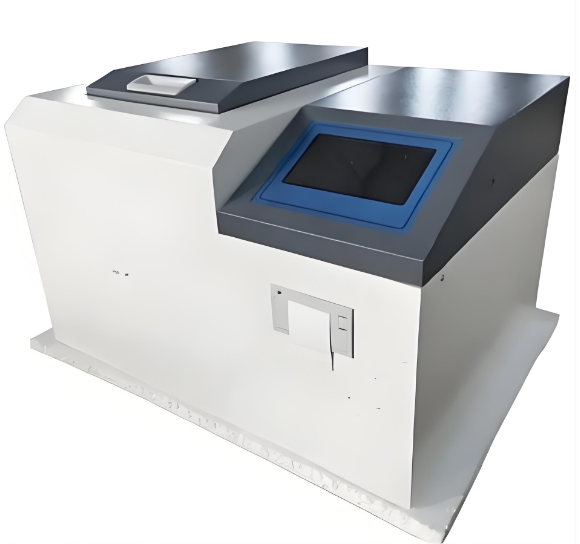
Common Challenges: Building Fire Risks and the Necessity of Material Testing
Building fires are often caused by inadequate combustion performance of construction materials. For example, exterior wall insulation materials or interior decorative materials may release large amounts of heat when exposed to high temperatures, accelerating fire spread and increasing the severity of fire hazards.
According to statistics, fire incidents caused by insufficient fire-resistant performance of building materials result in significant losses worldwide every year. Therefore, accurately measuring the combustion heat value of materials—that is, the amount of heat released when a unit mass of material is completely burned (expressed in MJ/kg)—is fundamental for evaluating the fire safety classification and combustion characteristics of building materials.
However, many companies still face challenges when selecting suitable testing equipment. How can they choose a reliable, accurate, and efficient combustion heat value tester? The answer requires a thorough understanding of the technical principles behind the testing method and equipment design.
Structural Design of the Building Material Calorific Value Tester
The structural design of the Building Material Calorific Value Tester is completely based on the accurate implementation of the above measurement principles. Rather than being a simple combination of individual components, the instrument is a systematic design centered around two core objectives: creating a controllable combustion environment and achieving precise heat measurement and tracking.
1. Core Reaction Vessel: Oxygen Bomb
The oxygen bomb is a high-strength, corrosion-resistant, and highly sealed metal vessel. It is designed to withstand the instantaneous high pressure and high temperature generated during sample combustion. The inner wall is usually made of inert materials to prevent chemical reactions with combustion products, thereby avoiding measurement errors.
The oxygen bomb is also specially designed to facilitate rapid heat transfer from the combustion chamber to the surrounding heat measurement system, ensuring accurate calorimetric analysis.
2. Heat Measurement System: Water Jacket and Temperature Sensing Unit
The oxygen bomb is immersed in an inner container filled with a precisely measured amount of distilled water, which serves as the heat absorption medium. An outer container is installed outside the inner vessel to reduce the influence of fluctuations in ambient temperature and improve measurement stability.
The temperature sensor is one of the most critical precision components of the system. It must be capable of detecting temperature changes at the millidegree Celsius level to accurately capture the slight temperature rise caused by combustion.
Modern instruments typically use high-precision thermocouples or thermistors, combined with a fast-response data acquisition system to continuously monitor and record temperature variations during the test process.
3. Auxiliary Support Systems
The auxiliary systems include:
High-pressure oxygen supply system: Used to fill the oxygen bomb with oxygen at the specified pressure, providing the required combustion environment for complete sample combustion.
Ignition circuit: Usually uses an electrically heated ignition wire to ignite the sample and initiate the combustion reaction.
Stirring system: Ensures uniform water temperature distribution around the oxygen bomb, improving measurement accuracy and ensuring that the temperature data collected is representative.
Through the coordinated operation of these systems, the Building Material Calorific Value Tester can provide accurate and reliable measurement of the heat release characteristics of building materials, supporting fire performance evaluation, quality control, and compliance testing.
Technical Principle of the Combustion Calorific Value Tester
The combustion behavior of building materials during a fire is a critical factor in evaluating their safety performance. Among various evaluation indicators, the heat of combustion—the amount of energy released when a unit mass of material is completely burned—is a fundamental and important physical parameter. Accurate measurement of this value relies on a specialized testing instrument.
The core function of the Combustion Calorific Value Tester is to simulate and quantify the energy release process of materials during combustion under controlled testing conditions.
To understand its working principle, it is necessary to begin with the fundamental concept of energy conservation. The essence of combustion is a vigorous oxidation reaction between the material and oxygen, during which chemical energy is converted into thermal energy. The measurement process essentially involves capturing and quantifying the heat released during this conversion.
The instrument creates a nearly closed measurement environment known as an oxygen bomb. A prepared building material sample is placed inside the oxygen bomb, which is then filled with high-pressure oxygen to ensure complete combustion. The sample is ignited by an electrical ignition system, and the heat released during combustion is absorbed by a precisely measured amount of water surrounding the oxygen bomb.
By accurately measuring the temperature increase of the water and combining this value with the known mass and specific heat capacity of the water, the total heat released by the sample during combustion can be calculated. The ratio of the released heat to the mass of the sample represents the combustion calorific value of the building material.
This measurement process is a direct application of the classical bomb calorimetry method in the field of building material fire performance evaluation. Through precise heat measurement and data analysis, the Building Material Calorific Value Tester provides reliable technical data for assessing material combustion characteristics, fire classification, quality control, and compliance with relevant safety standards.
How to Select a Reliable Combustion Calorific Value Tester
When purchasing a Combustion Calorific Value Tester, it is necessary to comprehensively consider factors such as technical performance, practicality, reliability, and cost-effectiveness. The following recommendations are based on practical experience and professional evaluation criteria.
1. Accuracy and Compliance with Standards
Priority should be given to equipment that complies with relevant international or national standards, such as ISO standards or GB standards, with measurement accuracy controlled within ±1%. Users should carefully check the instrument’s calibration certificates, verification reports, and third-party certifications to ensure the reliability and traceability of test results.
2. Ease of Operation and Safety Performance
The instrument should feature a user-friendly operating interface, such as touchscreen control, to simplify the testing process and reduce operational errors. It should also be equipped with comprehensive safety protection functions, such as an automatic pressure relief system, to ensure safe operation during high-pressure oxygen combustion tests.
Equipment requiring complicated maintenance procedures should be avoided, as excessive operational complexity may increase the risk of improper use and affect test accuracy.
3. Cost-Effectiveness Evaluation
A comprehensive evaluation should include not only the initial purchase cost but also long-term operating expenses, such as the replacement frequency and cost of consumables (for example, oxygen bomb components, ignition wires, and sealing parts).
Domestic equipment may provide advantages in terms of procurement cost and maintenance convenience, but its durability, measurement stability, and after-sales support should be carefully verified before purchase.
4. Brand Reputation and Technical Support
It is recommended to select manufacturers with a proven industry background and reliable technical support services. Priority should be given to suppliers that provide installation guidance, operator training, calibration support, and after-sales service.
Reducing excessive dependence on imported equipment can help shorten maintenance cycles and improve equipment availability.
5. Practical Performance Verification Before Purchase
Before finalizing the purchase, it is recommended to verify equipment performance through actual sample testing. For example, using certified standard reference materials such as benzoic acid for calibration can confirm the accuracy and stability of measurement results.
The selection process should also consider the specific application requirements of the enterprise, including:
Laboratory size
Testing frequency
Required standards
Sample types
Expected testing accuracy
Applications of the Combustion Calorific Value Tester
The Combustion Calorific Value Tester is widely used for evaluating the combustion characteristics and fire safety performance of various materials, including:
Building insulation materials
Interior and exterior decorative materials
Polymer materials
Plastics and composite materials
Construction products
Research and development samples
Conclusion
In summary, understanding the working principle of the Combustion Calorific Value Tester and mastering effective equipment selection methods can significantly improve the efficiency and reliability of building material fire performance testing.Through professional testing equipment, enterprises can ensure that their materials comply with relevant fire safety requirements, improve product quality control, and contribute to safer building environments.For more detailed information about product specifications, technical parameters, and application solutions, professional consultation and technical support are available.
Previous: What is a guarded heat flow meter?
N e x t : the last page
