





What is a flame test instrument?
2026/08/12
Share:

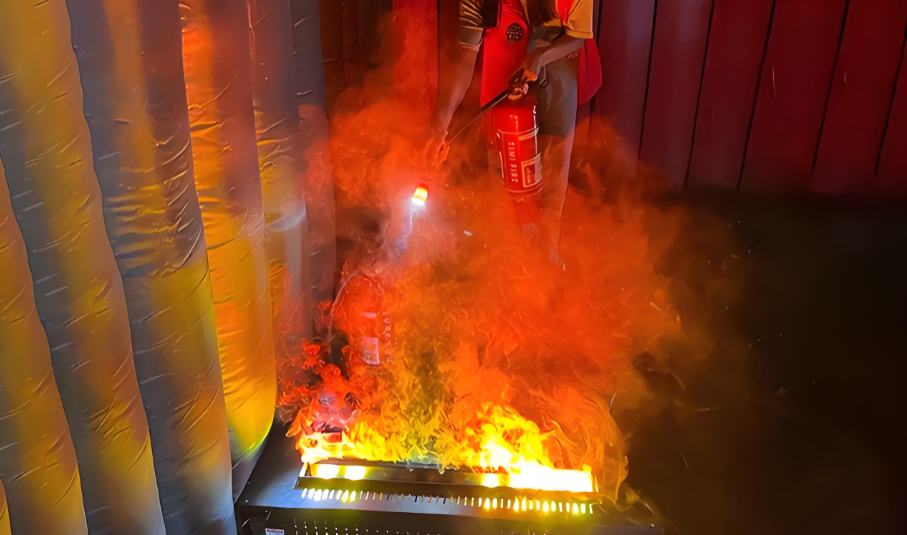
Importance of Fabric Flame Retardant Performance
The flame retardant performance of fabrics refers to the ability of textile materials to effectively resist combustion, delay flame propagation, and even achieve self-extinguishing when exposed to flames or continuous high-temperature environments. This performance indicator is one of the key parameters used to evaluate the fire safety level of textile materials.
The flame retardant properties of fabrics not only significantly influence their application range and safety requirements in various fields, including daily apparel, household textiles, automotive interiors, and public space decoration, but also directly affect public safety and the protection of life and property.
For example, in special or high-risk industries such as firefighting, military, aerospace, rail transportation, and the power industry, the use of flame-retardant fabrics that have undergone strict testing and meet performance requirements can effectively block ignition sources, slow down fire development, and reduce the probability of fire accidents, as well as minimize potential casualties and property losses.
Therefore, scientific evaluation and strict control of fabric flame retardant performance are essential steps in establishing effective fire protection measures, eliminating potential fire hazards, and ensuring the safety and reliability of textile products.
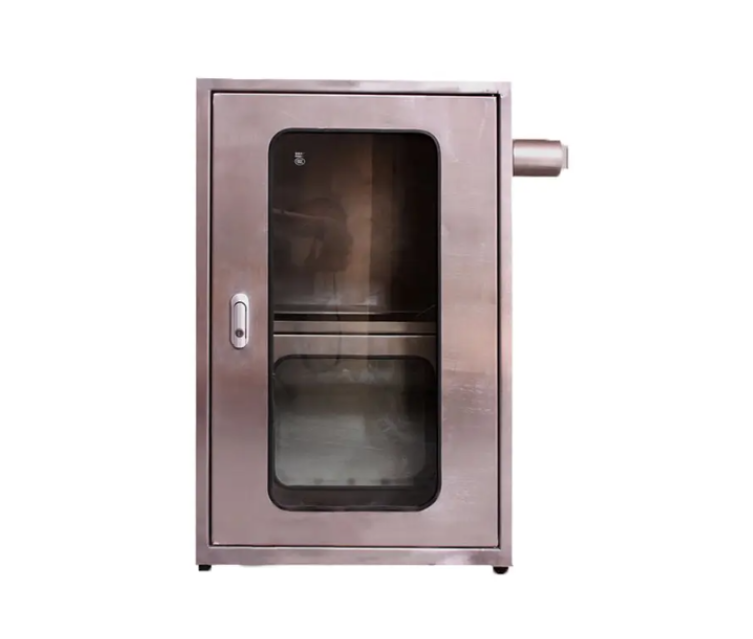
Functions of the Fabric Flame Retardancy Tester
The Fabric Flame Retardancy Tester is a specialized instrument designed to evaluate the combustion behavior of fabrics under high-temperature conditions. Its main functions include:
1. Combustion Testing
The instrument simulates the burning behavior of fabrics under actual fire conditions and evaluates key combustion parameters, including burning time, flame propagation rate, afterflame duration, and combustion characteristics. These results help determine the flame resistance and fire safety performance of textile materials.
2. Thermal Radiation / Heat Release Performance Testing
The tester evaluates the thermal response characteristics of fabrics when exposed to high temperatures or heat sources, helping determine the material’s ability to resist flame exposure and delay thermal damage.
3. Smoke Generation Testing
The instrument measures the amount and characteristics of smoke generated during fabric combustion. This data is used to evaluate the safety performance of textile materials, as excessive smoke generation may reduce visibility and increase hazards during fire incidents.
4. Durability Testing
The tester can simulate the wear, aging, and repeated-use conditions that fabrics may experience during their service life, evaluating the long-term stability and durability of their flame-retardant properties.
Through these comprehensive testing functions, the Fabric Flame Retardancy Tester provides reliable technical data for flame-retardant fabric development, quality control, safety certification, and performance evaluation in industries such as protective clothing, transportation, public facilities, and industrial applications.
Testing Methods of the Fabric Flame Retardancy Tester
Fabric flame retardant performance testing usually adopts standardized test methods to ensure the scientific validity, accuracy, and comparability of evaluation results. These methods are designed to simulate the combustion behavior of fabrics under different fire scenarios, providing a comprehensive and objective assessment of their flame-retardant properties.
Currently, the most widely used testing methods in the textile industry mainly include the following:
1. Vertical Flame Test
The vertical flame test is one of the classic methods for evaluating fabric flame retardancy. In this test, the fabric specimen is vertically suspended on a specified fixture, and the lower end of the specimen is exposed to a standard flame source.
During the test, operators observe and record key parameters, including flame propagation speed along the vertical direction, burning duration, afterflame time, and char length after extinguishing.
This method effectively evaluates the burning rate, flame spread behavior, and self-extinguishing capability of fabrics in a vertical orientation. It is particularly suitable for assessing the flame safety performance of vertically hanging textile products, such as curtains, drapes, and decorative fabrics.
2. Horizontal Flame Test
The horizontal flame test is a complementary method to the vertical flame test. In this method, the fabric specimen is placed horizontally on a test platform, and a standard flame is applied to one end of the specimen.
The test mainly focuses on observing parameters such as horizontal flame spread rate, burning distance, combustion area, and the occurrence of phenomena such as melting or dripping.
This method is more suitable for evaluating fabrics used in horizontal or nearly horizontal applications, such as carpets, bedding fabrics, and automotive interior materials. It reflects the flame-retardant performance of materials under specific application conditions.
3. Heat Release Rate Testing
The heat release rate test is a more advanced and quantitative evaluation method. It uses precision calorimetric instruments, such as a cone calorimeter, to accurately measure the amount of heat released by fabrics per unit time during controlled combustion.
The heat release rate (HRR) is one of the most important parameters for evaluating fire hazards, as it directly indicates the contribution of a material to fire growth.
Generally, a lower heat release rate indicates that the fabric releases less energy during combustion, has a stronger ability to suppress flame development and delay fire spread, and therefore demonstrates better flame-retardant performance.
Through these standardized testing methods, the Fabric Flame Retardancy Tester provides reliable technical data for evaluating textile fire safety, supporting the development, quality control, certification, and application of flame-retardant fabrics in industries such as protective clothing, transportation, construction decoration, and public facilities.
Future Development Trends
With continuous technological advancement, the functions of Fabric Flame Retardancy Testers will become increasingly comprehensive, and testing methods will continue to diversify. Future development trends will mainly focus on the following aspects:
1. Intelligent Development
With the integration of Internet and Internet of Things (IoT) technologies, flame retardancy testing instruments will become more intelligent. Future systems will be capable of automatically completing functions such as test data acquisition, storage, analysis, and report generation, significantly improving testing efficiency and reducing the influence of human operation factors.
2. Standardization Development
As industry standards continue to improve and become more comprehensive, fabric flame retardant performance testing will become increasingly standardized. More unified testing procedures and evaluation criteria will further enhance the accuracy, reliability, and comparability of test results, providing stronger technical support for material safety assessment.
3. Cross-Industry Applications
With the continuous development of flame-retardant technologies, the application scope of flame retardancy testing equipment will continue to expand. In addition to traditional textile industries, flame retardant testing instruments will be increasingly applied in fields such as:
Construction materials
Automotive interiors
Aerospace materials
Rail transportation
Electrical and electronic products
Protective equipment
These applications will help different industries improve material safety performance and meet increasingly strict fire protection requirements.
Conclusion
In summary, the Flame Retardancy Tester is an indispensable analytical instrument in modern industrial production and public safety fields. Through scientific, standardized, and repeatable testing methods, it provides objective and quantitative evaluation criteria for the flame-retardant performance of materials.Whether manufacturers conduct internal quality inspections or seek third-party certification to meet market access requirements and regulatory standards, professional flame retardancy testing is a critical step in ensuring product safety and reliability.Selecting a third-party testing organization equipped with advanced instruments and professional technical capabilities can ensure the accuracy, impartiality, and international recognition of test data, providing strong support for improving product safety, market competitiveness, and long-term development.
Previous: What is a building materials combustion calorimeter?
N e x t : the last page
