





What is a High Temperature Thermal Conductivity Tester?
2026/08/17
Share:

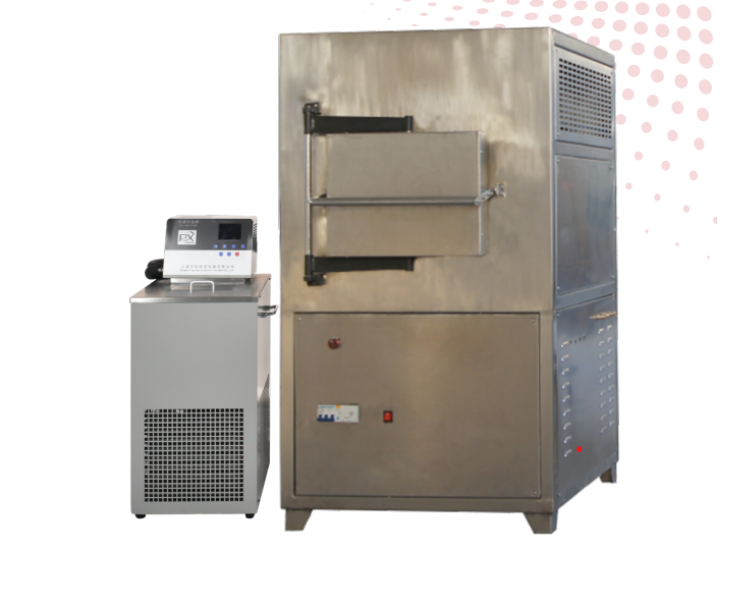
Working Principle and Technical Classification of the High-Temperature Thermal Conductivity Tester
Working Principle
The High-Temperature Thermal Conductivity Tester primarily operates based on the steady-state method. A constant temperature difference is established and maintained across the two sides of the test specimen. Once a steady-state heat flow is achieved, the thermal conductivity of the material is calculated according to Fourier's law of heat conduction.
The principal measurement methods include the Guarded Hot Plate (GHP) method and the Heat Flow Meter (HFM) method. Each method has its own characteristics and is suitable for different applications and accuracy requirements.
Guarded Hot Plate (GHP) Method
The Guarded Hot Plate method is one of the most accurate steady-state methods for measuring thermal conductivity. In this method, a main heating plate and a guard heating plate are arranged on one side of the specimen, while a cold plate is positioned on the opposite side. Precise temperature control establishes and maintains a stable, unidirectional temperature gradient between the main heating plate and the cold plate.
The guard heating plate surrounding the main heating plate is maintained at approximately the same temperature as the main heating plate, effectively minimizing radial heat loss from the edges of the specimen. This ensures that heat is transferred predominantly in one dimension through the thickness of the specimen.
The method provides highly accurate and reliable measurement results with excellent repeatability. It is recommended by international standards such as ISO 8302 as an absolute measurement method for determining the thermal conductivity of thermal insulation materials, making it particularly suitable for laboratory reference measurements and reference material characterization.
Technical Classification
Heat Flow Meter (HFM) Method
The Heat Flow Meter method is based on direct heat-flow measurement. A calibrated, high-precision heat flux transducer is positioned on one or both sides of the test specimen. Once the system reaches thermal steady state, the heat flow through the calibrated heat flux transducer is measured to determine the heat flux density passing through the specimen.
Combined with the known temperature gradient and specimen thickness, the thermal conductivity can then be calculated.
Compared with the Guarded Hot Plate method, HFM equipment generally has a simpler structure, shorter test preparation time, and faster measurement speed, making it particularly suitable for rapid and efficient routine testing of large numbers of industrial specimens. Relevant standards include ASTM C518. and the method is widely used in industrial quality control.
Advanced Technologies
In addition to the core measurement methods described above, some high-end thermal conductivity testers incorporate advanced technologies to further improve measurement reliability.
For example, in-process dual calibration technology can be used to calibrate temperature sensors and compensate for inherent systematic errors in the measurement system during testing, helping improve measurement accuracy and long-term stability.
Modern instruments typically incorporate high-performance PLC modules or computer-based automated control systems. Combined with advanced PID (Proportional-Integral-Derivative) control algorithms, these systems can precisely, rapidly, and stably regulate heating power, cooling rate, and environmental temperature throughout the test.
This ensures that the entire measurement process is conducted under precisely controlled thermal conditions and in accordance with the specified test parameters.
Application Fields of the High-Temperature Thermal Conductivity Tester
As a key instrument for thermophysical property analysis of materials, the High-Temperature Thermal Conductivity Tester is an essential analytical tool for universities and colleges, research institutions, quality inspection departments, and manufacturers. By accurately measuring the thermal conductivity of materials under high-temperature conditions, it provides critical data for material development, quality control, and engineering applications.
Its applications cover a wide range of industries where materials are required to provide reliable thermal insulation performance under elevated temperatures, including:
1. Refractory Materials Industry
Primarily used to evaluate the long-term thermal insulation performance and thermal stability of refractory products such as refractory bricks, ceramic fiber blankets, castables, and other high-temperature-resistant materials. The test results provide a scientific basis for kiln design, material selection, and process optimization.
2. Building Energy Efficiency
Used to evaluate the thermal properties of high-temperature pipeline insulation materials, industrial furnace and kiln lining materials, and specialized building envelope materials. It helps assess their energy-saving performance, thermal insulation efficiency, and operational reliability under actual service conditions.
3. Aerospace
Applied in the research, development, and performance verification of high-temperature thermal barrier coatings, ceramic matrix composites, and protective materials for high-temperature engine components. It helps ensure that these materials maintain excellent thermal insulation and structural stability under extreme high-temperature conditions.
4. New Energy
Used to evaluate the thermal conductivity characteristics of high-temperature insulation materials inside battery packs, phase-change materials in energy storage systems, and thermal management components for fuel cells. Accurate thermal property data are important for improving system safety, energy efficiency, thermal management performance, and service life.
Why Is Room-Temperature Testing Not Sufficient
The thermal conductivity of a material can change significantly with temperature. A thermal insulation material that performs well at room temperature may experience structural degradation, a sharp increase in thermal conductivity, or even complete failure under high-temperature conditions.The High-Temperature Thermal Conductivity Tester is specifically designed to simulate actual service temperatures, ranging from several hundred degrees Celsius to over 1.000°C, depending on the instrument configuration. It provides performance data under realistic operating conditions rather than relying solely on room-temperature measurements. This helps prevent engineering decisions based on inaccurate or incomplete thermal property data.
Core Importance
1. Ensuring Safety in Extreme Environments
In industries such as metallurgy, aerospace, and energy, materials may be exposed to temperatures of several hundred or even thousands of degrees Celsius. The tester can help accurately determine whether a material may lose its thermal insulation performance at elevated temperatures, potentially causing equipment overheating or thermal-management failures. It therefore provides important data for thermal safety and risk prevention.
2. Supporting Precise Energy-Efficient Design
Accurate thermal conductivity data at elevated temperatures are essential for optimizing insulation design. They help prevent excessive insulation, which wastes materials and increases costs, as well as insufficient insulation, which can result in substantial heat loss. This directly affects production costs, energy efficiency, and carbon emissions.
3. Driving the Development and Commercialization of Advanced Materials
New thermal insulation materials, such as advanced refractory bricks and aerogels, must be evaluated under simulated high-temperature service conditions. The tester provides an important means of screening and comparing materials, verifying their actual thermal performance, and identifying materials that may not meet the required performance specifications.
4. Supporting Industry Standards and Commercial Transactions
Thermal conductivity testing provides an objective basis for determining whether materials meet specified performance requirements. It enables thermal insulation and refractory materials from different manufacturers to be evaluated under standardized conditions, supporting product quality consistency, regulatory compliance, certification, and international trade requirements.
In summary, the High-Temperature Thermal Conductivity Tester plays a critical role in materials research and development by helping scientists and engineers understand how materials behave under elevated-temperature conditions. Although high-temperature thermal conductivity testing involves various experimental challenges and influencing factors, carefully designed test procedures and accurate data acquisition can provide reliable insight into the thermal performance of materials under actual service conditions.These data are essential for predicting material performance, improving existing materials, developing new thermal insulation technologies, and optimizing engineering designs. Such research ultimately helps industry develop more efficient, reliable, and safer material solutions while supporting technological innovation and advancement.
Previous: What is the purpose of the Shoe Bending Angle Tester?
N e x t : the last page
