





What are the differences between explosion-proof torque rheometers?
2026/08/20
Share:

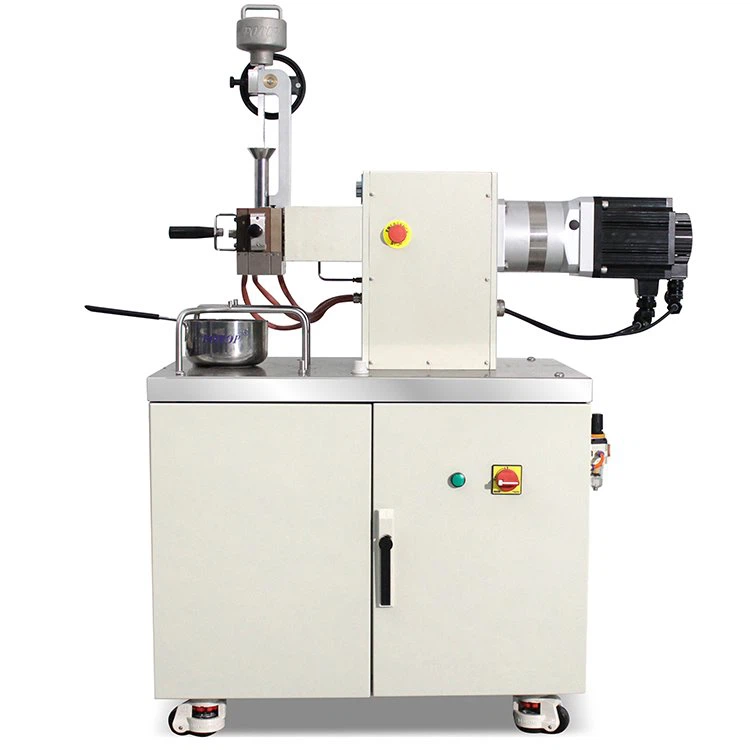
Core Differences Between Explosion-Proof and Conventional Torque Rheometers
The fundamental difference between explosion-proof and conventional torque rheometers lies in their safety design philosophy. Conventional torque rheometers mainly focus on measurement accuracy and basic protection, while explosion-proof torque rheometers are designed to eliminate potential hazards in dangerous environments through comprehensive explosion-proof protection while maintaining testing performance. The key differences are reflected in the following three aspects:
1. Differences in Structural and Material Design
Conventional torque rheometers usually adopt an integrated and enclosed structure for the screw and testing chamber. The materials are mainly conventional alloys, which only meet basic requirements for wear resistance and high-temperature resistance. They are generally not equipped with special pressure relief or explosion-proof structures. During operation, abnormal pressure increases or the generation of flammable volatile substances inside the chamber may create leakage and safety risks.
In contrast, explosion-proof torque rheometers adopt a segmented screw design, separating the feeding section, conveying section, and melting section into independent structures. The system is equipped with symmetrically arranged explosion-proof holes and corresponding through holes, which can actively release excessive pressure under abnormal conditions and reduce the impact of combustion or explosion.
In addition, components that directly contact flammable or explosive materials are manufactured using explosion-resistant materials such as beryllium copper alloy and nickel-plated steel to prevent sparks caused by friction. Key components including clamps and chambers are reinforced with explosion-proof treatment to prevent the accumulation of hazardous energy in enclosed spaces.
2. Differences in Electrical System and Safety Protection
The electrical components of conventional torque rheometers, including motors, sensors, and control circuits, generally adopt standard designs that meet basic insulation and overload protection requirements. However, they lack explosion-proof isolation measures. Issues such as poor electrical contact, motor wear, or abnormal operation may generate electrical sparks, creating ignition sources in hazardous environments.
Explosion-proof torque rheometers adopt an intrinsically safe electrical system design. Electrical cables are protected by metal flexible conduits and reliably grounded (ground resistance <4Ω). Motors, sensors, and other electrical components comply with explosion-proof protection requirements.
The equipment is also equipped with multiple warning and protection systems. Temperature and pressure sensors continuously monitor internal operating conditions. When abnormal parameters are detected, the system immediately activates an audible alarm and disconnects power output, creating a complete safety protection process of:
Prevention → Monitoring → Emergency Response
3. Differences in Certification and Compliance Standards
Conventional torque rheometers generally only need to comply with measurement verification regulations and electrical safety standards for normal operation, without mandatory explosion-proof certification requirements.
Explosion-proof torque rheometers, however, must meet specific explosion-proof certification requirements:
China market: Required to obtain explosion-proof CCC certification
European Union market: Required to comply with ATEX certification requirements
Global market: Can apply for internationally recognized IECEx certification
The certification documents must clearly specify key parameters such as:
Explosion-proof protection type
Gas group classification
Hazardous area classification
Applicable operating environment
Products without qualified explosion-proof certification are not permitted for use in hazardous environments.
Key Reasons for Using an Explosion-Proof Torque Rheometer
The primary purpose of an explosion-proof torque rheometer is to solve safety and compliance challenges during material testing in hazardous environments. Its necessity is mainly reflected in the following three aspects:
1. Avoiding Safety Risks in Hazardous Environments
When testing materials such as solid propellants, explosive-related materials, PVC, and XLPE, which may release flammable volatile gases during processing, conventional instruments may generate electrical sparks or high-temperature surfaces that could ignite volatile substances or trigger hazardous reactions.
Explosion-proof torque rheometers eliminate potential ignition sources through pressure relief structures, explosion-resistant materials, and intrinsically safe electrical systems. Even in abnormal situations, the equipment can reduce risks by dispersing excessive pressure and cutting off power output, effectively preventing personnel injuries and equipment damage.
2. Meeting Industry Compliance and Production Safety Requirements
Industries such as petrochemicals, military applications, and coal mining involve flammable and explosive hazardous areas. Relevant safety regulations require electrical equipment used in these environments to have appropriate explosion-proof qualifications.
By obtaining mandatory explosion-proof certifications, explosion-proof torque rheometers help enterprises meet regulatory requirements, avoid penalties or production interruptions caused by non-compliant equipment, and provide a safe foundation for reliable testing data.
3. Ensuring Continuous and Accurate Testing of Special Materials
The rheological performance evaluation of advanced materials, such as military-grade solid propellants and chemically synthesized resins, often requires continuous testing under specific hazardous conditions. Conventional instruments may not operate reliably in such environments, and unexpected safety risks can interrupt testing processes, resulting in invalid or incomplete data.
Explosion-proof torque rheometers are designed for long-term stable operation in hazardous environments while maintaining both measurement accuracy and testing continuity. They provide reliable data support for material development, formulation optimization, and process improvement.
Application Fields and Target Customers of Explosion-Proof Torque Rheometer
Based on its advanced explosion-proof design, the Explosion-Proof Torque Rheometer is mainly applied in industries involving flammable, explosive, or hazardous materials. Its target customers have clear application requirements and strict safety compliance needs. The main application fields and customer groups can be divided into the following categories:
1. Main Application Fields
(1) Chemical and Energy Industries
The instrument is used to evaluate the cross-linking, fusion, and rheological properties of polymer materials such as PVC and XLPE, as well as the flow behavior of synthetic resins and solvent-based coatings. It is suitable for testing environments involving flammable solvents, volatile compounds, and hazardous chemical materials.
(2) Military and Aerospace Industries
The equipment is used to study the flow and deformation characteristics of special materials such as solid propellants and explosive-related materials, meeting the strict safety requirements for research, development, and manufacturing processes of military equipment.
(3) Coal Mining and Oil & Gas Industries
The explosion-proof torque rheometer is suitable for hazardous environments such as underground mines and oil/gas fields where methane and flammable gases may exist. It can be used to evaluate the rheological properties of mining polymer materials, oil and gas pipeline materials, and other specialty materials.
(4) Electronics and Battery Industries
The instrument is applied in the rheological testing of lithium battery electrode materials and flammable electrolyte-related materials, helping reduce explosion and combustion risks during battery material processing and development.
2. Main Customer Groups
(1) Research Institutes and Universities
Laboratories engaged in the research and development of polymer materials, military materials, and energy materials require accurate material analysis under controlled hazardous conditions. Explosion-proof torque rheometers provide a safe and reliable testing solution for advanced material research.
(2) Military and Special Manufacturing Enterprises
Companies involved in military equipment manufacturing and solid propellant production require equipment that complies with strict explosion-proof safety standards to ensure safety throughout production and testing processes.
(3) Petrochemical and Fine Chemical Enterprises
Large chemical groups, coating manufacturers, and adhesive producers can use the instrument for material quality control, formulation optimization, and process improvement, while meeting safety requirements in hazardous production environments.
(4) Third-Party Testing Organizations
Third-party laboratories providing material rheological testing services across multiple industries can expand their testing capabilities with explosion-proof equipment. It enables them to undertake projects involving hazardous materials while ensuring testing safety and regulatory compliance.
Conclusion
An Explosion-Proof Torque Rheometer is not simply an upgraded version of a conventional torque rheometer; it is a specialized testing solution designed specifically for hazardous environments. Its core value lies in achieving a balance between high-precision measurement and advanced safety protection, providing essential support for material research, industrial production, and regulatory compliance in specialized industries.With increasing safety and performance requirements in sectors such as chemical engineering, military technology, energy, and advanced materials, explosion-proof torque rheometers are expected to expand their applications and become a key testing instrument in high-end material analysis.
Previous: How Does Paper Surface Roughness Affect Printing Quality and Performance?
N e x t : the last page
