





Why Is Seat Ingress Egress Testing Important for Automotive Seat Quality?
2026/09/21
Share:

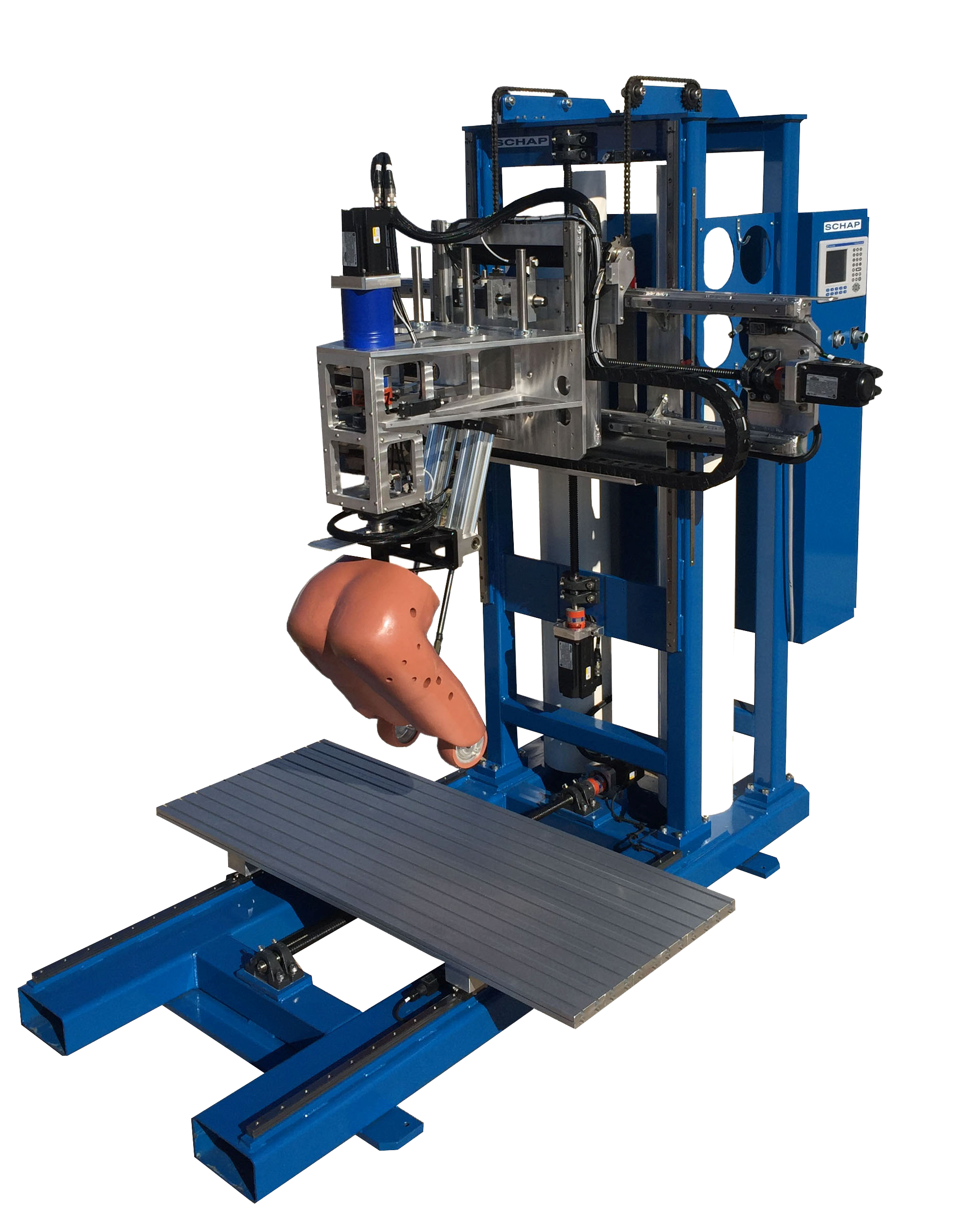
Operating Principle of the Human Body Simulation Seat Entry and Exit Test System
The operating principle of the Seat Entry and Exit Test Bench is primarily based on mechanical simulation and servo control technology. The equipment typically consists of a robust mechanical frame, a programmable control system, a drive system, and a loading module (indenter) that simulates the human body.
The mechanical frame provides a stable support foundation throughout the testing process, ensuring that the equipment does not experience displacement or deformation during high-frequency, high-load cyclic movements. The programmable control system serves as the “brain” of the equipment, responsible for setting and adjusting various test parameters, thereby providing a high degree of repeatability and flexibility.
The core operating principle involves using a motor-driven or pneumatic servo system to drive a specially designed three-dimensional dummy indenter. According to preset trajectories, frequencies, and loads, the indenter repeatedly performs the “entry–seating–creeping–exit” cycle on a securely fixed seat.
During this process, the indenter not only simulates the force application pattern of the human buttocks but also reproduces the combined effects of friction, compression, and torsion generated when a person enters and exits a seat through multi-degree-of-freedom movement trajectories. This provides a more realistic representation of the mechanical loads experienced by a seat during actual use.
Advanced test benches employ virtual instrument technology and modular measurement and control designs to precisely control the test load, displacement, and angle while recording data in real time. This makes the mechanical input of every cycle quantifiable and traceable, allowing the equipment to simulate, within a relatively short period, the wear conditions a seat may experience after several years or even longer periods of use.
Core Testing Features of the Seat Entry and Exit Test Bench
The function of the Seat Entry and Exit Test Bench goes far beyond testing whether a seat can withstand sitting. It provides a comprehensive, multidimensional evaluation of seat performance.
1. Material Wear Resistance and Fatigue Resistance
Through tens of thousands of cyclic tests, the equipment evaluates the wear resistance of seat coverings (genuine leather or fabric), upholstery materials, and internal foam materials under repeated friction and compression.
Key issues examined include fabric pilling, breakage, fraying, and foam collapse, helping ensure that the seat maintains its appearance and comfort after long-term use.
2. Structural Strength and Design Integrity
The test evaluates whether seat edges (side bolsters), frames, and internal electronic components—such as seat heating wires and occupant detection sensors—experience damage, displacement, or functional failure under repeated impact.
The side bolsters are particularly important because the entry and exit movements generate substantial shear forces in these areas. The test bench can effectively reveal potential weaknesses in structural design.
3. Functional Integrity Verification
While simulating seat entry and exit movements, the system monitors whether the seat adjustment mechanisms and powered functions operate properly. This helps ensure that the seat's electronic and mechanical functions remain stable and reliable under prolonged mechanical stress.
Main Advantages of the Seat Entry and Exit Test Bench
The greatest advantage of the Seat Entry and Exit Test Bench is its ability to simulate 15.000 repeated vehicle entry and exit cycles using a machine within a relatively short period. This helps reveal potential problems such as wear, foam collapse, and material breakage that may otherwise take several years of use to emerge, eliminating the need for people to perform repeated sitting tests every day.
Core Advantages
1. Realistic Simulation of Human Movements
The system uses a 50th-percentile anthropomorphic dummy indenter that complies with the SAE J826 standard. It performs actions such as sliding in, rotating, pressing down, and moving out along preset trajectories, simulating realistic vehicle entry and exit postures. The resulting test data can therefore more closely reflect actual usage conditions.
2. Rapid Identification of Quality Issues
The equipment can complete tens of thousands of cycles within a relatively short period, effectively exposing hidden defects such as seat covering wear, foam collapse, frame deformation, and side bolster cracking. This eliminates the need to wait several years after a product enters the market to discover potential problems.
3. Precise Control and Excellent Repeatability
The system uses pneumatic servo or electro-hydraulic servo control, allowing the test load, displacement, and angle to be precisely configured. Consistent loading conditions are maintained throughout each cycle, resulting in highly comparable and repeatable test results.
4. High Level of Automation
Once the test parameters have been configured, the equipment operates automatically. It can collect force and displacement data in real time and generate test reports. The system also supports long-term, unattended continuous testing, helping reduce labor costs.
5. Convenient Operation and Maintenance
The interface adopts virtual instrument technology, making parameter configuration intuitive and straightforward. Load and displacement calibration are easy to perform, while the modular design of the measurement and control system simplifies subsequent maintenance.
6. Reliable Safety Features
The equipment is typically equipped with dual protection mechanisms, including overload protection and software-configured safeguards. The system can automatically stop when an abnormal condition occurs, helping prevent test specimen damage and potential safety incidents.
Conclusion
Overall, the Seat Entry and Exit Test Bench has become an essential tool for quality control in the automotive seat industry, thanks to its precise simulation capabilities, efficient automated workflow, and systematic data recording. It not only helps companies mitigate potential quality risks but also supports the comfort and safety of drivers and passengers from the earliest stages of product development.As demand for intelligent and comfortable vehicles continues to grow, this “invisible evaluator” will continue to support more rigorous testing standards, helping ensure a safer and more comfortable experience on every journey.
Previous: What Should You Know Before Using a Computer Controlled Memory Impact Tester?
N e x t : the last page
