





Medical Mask Differential Pressure Tester, ASTM F2100
2026/01/21
Share:

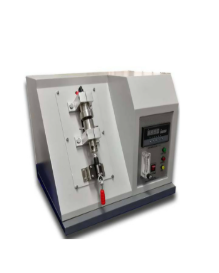
What Differential Pressure Testing Measures
Differential pressure testing quantifies the pressure drop across a mask sample when a controlled airflow passes through it. In practice, the mask material is mounted in a fixture with a fixed area, and air is drawn through at a specified constant flow rate. The tester records the pressure difference between the upstream and downstream sides of the sample. Lower pressure drop values indicate better breathability, while higher values suggest greater resistance to airflow.
This measurement is not about filtration efficiency; instead, it assesses air permeability and user comfort. Breathability is essential because even high-performance filtration materials can be impractical if they restrict airflow too much, causing discomfort, fatigue, or difficulty breathing.
Principles of Operation
At the core of differential pressure testing is a controlled airflow source and a differential pressure sensor:
Airflow Control:
The instrument uses a pump or suction chamber to draw air at a constant rate through a standard sample area, often around 4.9 cm² (with a 25 mm diameter). Typical flow rates are in the range of 8 L/min, aligning with established testing standards.
Pressure Measurement:
High-precision pressure transducers detect the difference in pressure before and after the sample. The reading, expressed in Pascals (Pa) or equivalent units, represents the resistance the material offers to airflow.
Some advanced testers include digital displays, touch-screen controls, and data output features to support automated reporting and quality documentation.
Why Differential Pressure Matters
Differential pressure is a key performance parameter for medical masks because it directly influences wearer comfort. Masks that meet breathability requirements allow users to breathe with minimal effort, reducing physiological stress during extended wear. This is especially important for healthcare professionals working in demanding clinical environments.
Regulatory frameworks define acceptable differential pressure limits to ensure this balance:
In Europe, EN 14683 specifies maximum ∆P values for different types of surgical masks, ensuring adequate airflow while maintaining protective performance.
In the United States, ASTM F2100 includes differential pressure limits as part of the classification criteria for medical mask performance levels.
In both cases, compliant differential pressure results indicate that a mask achieves an appropriate balance between barrier protection and breathable comfort.
Standards and Testing Requirements
Differential pressure testing is typically conducted alongside other performance evaluations such as bacterial filtration efficiency, particle filtration efficiency, and resistance to liquid splashes. It is referenced in international and regional standards including ASTM F2100. EN 14683. and relevant national standards for medical mask assessment.
These standards clearly define test conditions — including airflow rate, sample area, and environmental parameters — to ensure repeatability and comparability of results. Compliance with standardized methods ensures that test data are meaningful for certification, quality control, and regulatory review.
Test Setup and Procedure
A typical differential pressure test involves the following steps:
Sample Preparation:
A representative section of the mask material is cut and mounted in a fixture exposing a defined test area.
Airflow Establishment:
Air is drawn through the sample at a stable, predefined volumetric flow rate.
Pressure Measurement:
Sensors continuously measure the pressure difference across the sample during airflow.
Result Calculation:
The differential pressure value is calculated and reported, often normalized to the specified test area and expressed in units required by the applicable standard.
Modern testers streamline this workflow through integrated flow control, real-time digital readouts, and automated data logging for quality assurance purposes.
Applications Beyond Medical Masks
While primarily used for medical face masks, differential pressure testing principles are also applied to other materials where airflow resistance is critical. These include surgical gowns, protective clothing, and nonwoven fabrics used in filtration and personal protective equipment. This broader use highlights the general importance of airflow resistance as a functional performance indicator.
Interpretation of Results
Understanding differential pressure results requires both numerical analysis and practical context:
Lower ∆P values indicate easier airflow and improved wearer comfort.
Higher ∆P values suggest increased breathing resistance, which may be acceptable for short-term use but problematic during prolonged wear.
Manufacturers must balance filtration efficiency with breathability, ensuring that protective performance is achieved without exceeding differential pressure limits set by applicable standards.
Role in Quality Control and Compliance
In manufacturing and certification processes, differential pressure testing is an essential quality control measure. Routine sampling helps verify that production batches consistently meet breathability requirements before distribution or regulatory submission.
Regulatory authorities and independent laboratories rely on differential pressure results, together with filtration and other performance data, to determine whether medical masks are suitable for clinical use. This ensures that end users receive products that meet both safety and comfort expectations.
A Medical Mask Differential Pressure Tester plays a vital role in evaluating mask breathability. By measuring pressure drop under controlled airflow conditions, it provides an objective and standardized assessment of airflow resistance — a critical factor influencing comfort, usability, and compliance. Aligned with international testing standards, differential pressure testing supports product development, quality assurance, and regulatory compliance within the medical and healthcare sectors.
Previous: Fabric Friction Charging Charge Tester,JIS L-1094
N e x t : Mask Tensile Testing Machine,ISO13934-1
