





What are the three types of filter systems?
2026/02/26
Share:

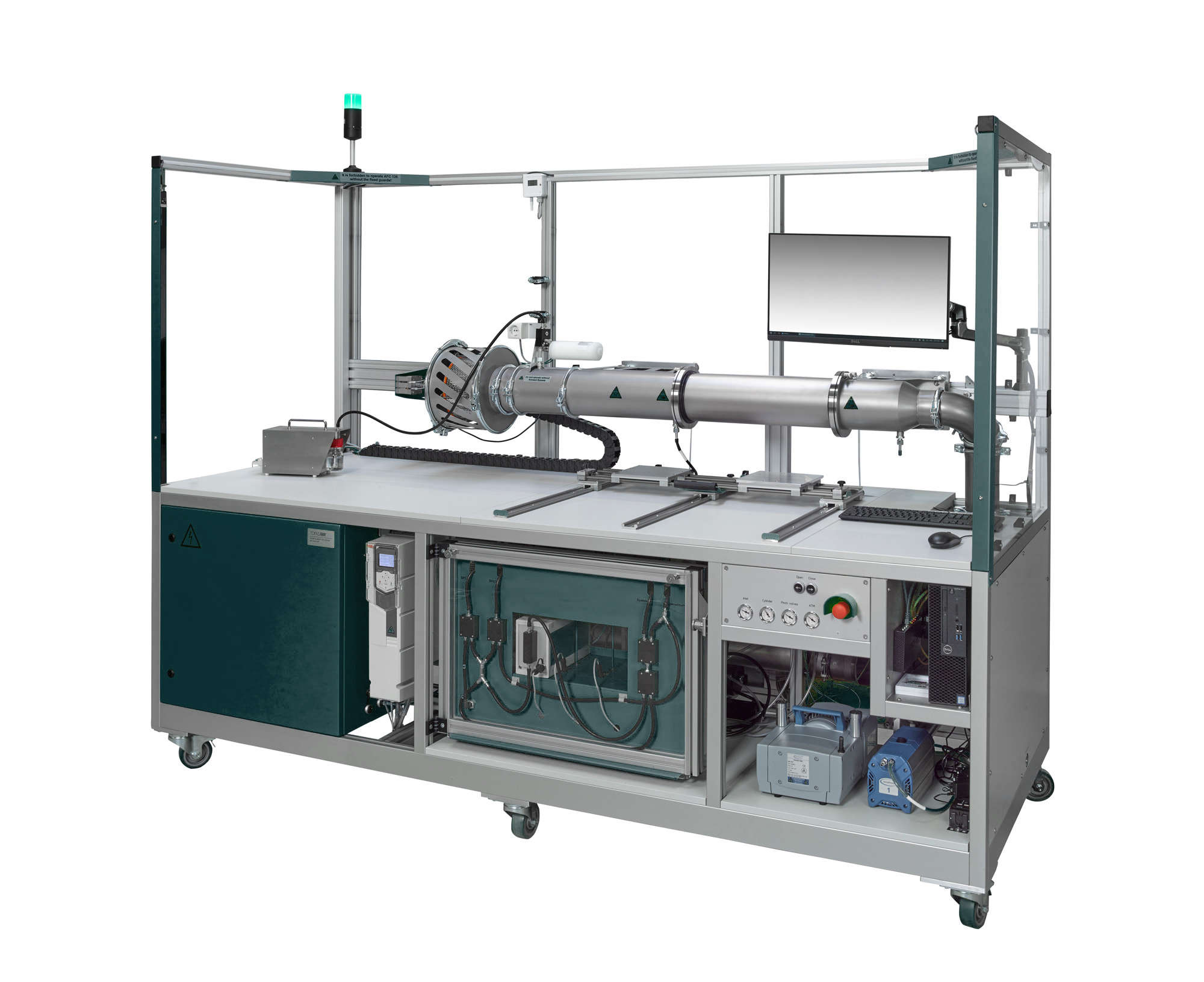
Depending on the target substance and intended purpose, filtration systems can be divided into several types. One of the most fundamental classifications is based on filtration principles: mechanical filtration, chemical filtration, and biological filtration. These three types constitute the core framework of filtration system categorization.
Mechanical Filtration Systems
Mechanical filtration systems represent the most intuitive and common form of filtration. Their basic principle is to use physical barriers to block impurity particles, relying on screening and interception mechanisms to achieve separation.
Working Principle
Mechanical filtration primarily utilizes equipment or media with specific pore sizes. When fluid passes through these pores, solid impurities larger than the pore size are unable to pass through and are therefore retained, achieving the purpose of removing contaminants. This process is purely physical, involving no chemical reactions or biological degradation. It relies entirely on the relationship between particle size and the pore size of the filtering medium. Mechanical filtration is often used as the first stage in a filtration process to remove coarse particles and suspended solids, thereby protecting subsequent, more refined filtration stages.
Common Types
Screen filters: These use metal mesh, plastic mesh, or fiber mesh as filtering media. The mesh openings block larger impurities. Such filters have simple structures, low cost, and are suitable for removing sand, debris, and other macroscopic particles.
Deep bed filters: These consist of granular media such as sand or gravel forming a “bed.” As fluid passes through the bed, impurity particles are captured within the internal structure of the media. Compared to simple screen filters, deep bed filters have higher dirt-holding capacity.
Disc filters: These are composed of multiple grooved discs stacked together. Small channels between the discs capture particulate impurities, making them suitable for applications such as water treatment.
Application Areas
Mechanical filtration systems are widely applied in water filtration, such as rainwater collection systems and municipal water pretreatment, where filter screens or sand filters remove suspended particles. They are also used in air purification, including coarse filters in air conditioning and ventilation systems to capture airborne dust, as well as in industrial process protection to prevent pumps, valves, and other equipment from damage caused by large particles.
Advantages and Limitations
The main advantages of mechanical filtration are simple structure, easy maintenance, and low operating cost. However, it cannot effectively remove fine contaminants such as bacteria or dissolved substances. Therefore, it is often combined with other filtration methods to achieve deeper purification.
Chemical Filtration Systems
Chemical filtration systems differ from purely physical interception. They rely on chemical adsorption, ion exchange, or chemical reactions to separate contaminants from fluids. These systems are particularly important when removing dissolved pollutants, odors, or specific chemical components.
Working Mechanism
Chemical filtration refers to filtration media that possess chemical reactivity or adsorption capacity. When fluid passes through such media, not only are solid impurities retained, but specific pollutants are removed through chemical bonding, ion exchange, or active adsorption. For example, certain media can effectively adsorb chlorine, heavy metals, or organic compounds, significantly improving water or air quality.
Typical Examples
Activated carbon filtration: Utilizing carbon materials with high surface area to adsorb organic compounds, odor molecules, and certain dissolved pollutants. It is widely used in water treatment and air purification.
Ion exchange filtration: Using resin media to exchange specific ions, such as removing calcium and magnesium ions from water to soften it.
Specific chemical reaction filtration: Certain filtration media react with particular compounds to form harmless substances or precipitates, which are then separated from the fluid.
Application Areas
Chemical filtration systems are commonly used in drinking water treatment to remove chlorine, pesticide residues, and organic compounds that affect taste or health. They are also applied in industrial wastewater treatment to remove dissolved chemical substances and harmful ions, and in air pollution control to adsorb volatile organic compounds and odors.
Advantages and Considerations
Chemical filtration can remove dissolved and gaseous pollutants that mechanical filtration cannot address. However, the filtration media can become saturated and require periodic replacement or regeneration. Additionally, its effectiveness may be limited when dealing with extremely low concentrations of certain contaminants.
Biological Filtration Systems
Biological filtration systems utilize the metabolic characteristics of microorganisms. Through active biological organisms or microbial communities, pollutants are degraded or transformed, thereby achieving filtration.
Principle Explanation
Biological filtration is not merely physical screening but involves microorganisms that absorb, degrade, or convert pollutants. For example, in water treatment or aquaculture systems, specific microorganisms can transform organic pollutants into harmless inorganic substances. Such systems are often referred to as biofilters or biological filter beds.
Practical Applications
Typical applications include ecological water treatment, such as constructed wetlands or biological filter tanks, where microorganisms decompose organic matter. In aquaculture water quality maintenance, including aquariums and fish ponds, nitrifying bacteria convert ammonia into less toxic compounds. In wastewater biological treatment, such as aerated biofilter stages in sewage treatment plants, microbial communities degrade organic pollutants.
Advantages and Limitations
Biological filtration is highly effective in treating organic pollutants and is generally environmentally friendly without secondary pollution. However, it requires careful system control to maintain microbial activity and may respond relatively slowly to sudden high pollutant loads.
Integrated Applications of Filtration Systems
In practical applications, a single filtration type is often insufficient to meet all requirements. Therefore, mechanical, chemical, and biological filtration methods are frequently combined.
Water Treatment System Example
A typical modern water purification system may include a mechanical pre-filtration stage to remove large particles using coarse membranes or sand filters; a chemical filtration stage using activated carbon or ion exchange media to remove dissolved pollutants; and a biological treatment stage employing biofilters to degrade organic contaminants and stabilize water quality. This staged combination enhances purification capacity and efficiency, allowing targeted treatment of different categories of pollutants.
Air Purification and Industrial Emissions
Similar integrated approaches are used in air filtration and industrial emission control. Mechanical filtration removes large dust particles; chemical filtration removes volatile organic compounds and odors; and special technologies such as electrostatic precipitation or biological deodorization may be integrated with the above methods.
New Technologies and Future Development Trends
With technological advancements, filtration systems continue to evolve. Innovations in material science have introduced nanomaterials and composite media, while intelligent control systems, online monitoring, and automated maintenance have improved operational efficiency. High-efficiency filtration materials can maintain high flow rates even with smaller pore sizes, and automatic backwashing technology makes maintenance more intelligent and efficient. These developments are driving filtration systems toward greater efficiency, energy savings, and sustainability.
As an essential purification technology, filtration systems play an indispensable role in various engineering and daily life scenarios. Through an understanding of mechanical, chemical, and biological filtration systems, it becomes clear that each type has distinct principles, structures, and application scenarios. A systematic understanding of these classifications provides a solid theoretical foundation for the design, selection, and optimization of filtration solutions. In practical applications, combining different filtration methods according to specific needs can maximize overall system performance and achieve more efficient pollution control and resource utilization.
Previous: What are the evaluation tests for aerosols?
N e x t : What are the requirements for HEPA filter testing?
