





What is a Nonwovens Liquid Loss Tester?
2026/05/11
Share:

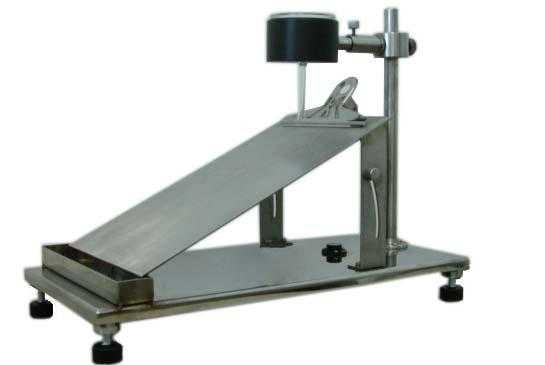
Functions and Applications of the Nonwovens Liquid Loss Tester
The Nonwovens Liquid Loss Tester is a specialized testing instrument designed to evaluate the liquid runoff performance and liquid loss characteristics of nonwoven materials under specified conditions. Its core function is to simulate the flow, penetration, and absorption process of liquids (such as synthetic urine) on the surface of nonwoven fabrics, thereby quantitatively assessing the liquid retention capability or liquid loss level of the material.
Main Functions
Precise Control of Liquid Application Conditions:
Continuously releases 25 mL of standard test liquid within (4 ± 0.1) seconds.
Inclination Angle Control:
The test platform is fixed at an inclination angle of 25°, simulating liquid sliding conditions during actual use.
Automatic Timing and Recording:
Timing accuracy reaches ±0.1 seconds, supporting manual start and automatic recording.
Liquid Loss Measurement:
An optional weighing system can be equipped to calculate liquid loss by measuring the weight difference of the absorbent medium before and after testing.
Standardized Specimen Fixing:
Equipped with a dedicated clamping fixture to ensure accurate positioning of the specimen center (for example, positioned at 140 ± 0.2 mm).
Core Applications
Determination of Liquid Loss:
By measuring the weight difference of the standard absorbent medium before and after testing, the liquid loss of the nonwoven specimen under controlled liquid flow conditions can be calculated.
Evaluation of Leakage Prevention Performance:
Used to assess whether the nonwoven material, when serving as a top-sheet material, can effectively guide liquid penetration downward while reducing surface rewet or side leakage.
Industries Applicable to the Nonwovens Liquid Loss Tester
The Nonwovens Liquid Loss Tester is mainly used to evaluate the liquid loss performance of nonwoven materials under specified conditions. It is highly applicable to industries that have strict requirements for liquid absorption and leakage prevention performance. The instrument is primarily used in the following industries:
Hygiene Products Industry:
Used for testing raw materials (hygienic nonwoven fabrics) for products such as sanitary napkins, baby diapers, and adult incontinence products. The testing must comply with standards such as GB/T, and the liquid loss is controlled to ensure product absorbency and user comfort.
Medical Protection Industry:
Applied to evaluate the liquid barrier performance of nonwoven materials used in medical protective clothing, surgical gowns, and isolation gowns, helping to prevent the penetration of blood, body fluids, and other liquids while complying with relevant medical standards.
Nonwoven Fabric R&D and Manufacturing Enterprises:
Used throughout the entire quality control process from raw materials to finished products for quality inspection and process optimization, ensuring products comply with domestic and international standards such as GB, ISO, and EDANA.
Third-Party Testing Laboratories:
Provides compliance testing services for the above industries, supporting product certification and export inspection.
Working Principle of the Nonwovens Liquid Loss Tester
The working principle of the Nonwovens Liquid Loss Tester is based on simulating the actual contact conditions between human skin and nonwoven materials. By measuring the amount of liquid lost from the nonwoven material, the instrument evaluates its liquid retention capability and anti-leakage performance. The tester generally consists of a test head, control system, data processing system, and liquid collection device. The test head is the key component where the nonwoven specimen is placed, and its design simulates the contact surface of human skin to ensure the accuracy of test results. The control system is responsible for setting and regulating test parameters, such as liquid application volume, testing time, and pressure. The data processing system is used to collect and analyze test data, while the collection device is used to receive and measure the liquid loss.
During the testing process, a certain pressure is first applied to the test head or maintained for a specified period through the control system, simulating the external pressure or time influence that the nonwoven material may experience during actual use. Then, a specified amount of liquid is applied to the nonwoven specimen on the test head. This liquid usually simulates sweat or other body fluids that may be secreted by the human body. Parameters such as liquid application volume, flow rate, and application method are set according to testing standards or customer requirements. After the liquid is applied, the collection device receives the liquid lost from the nonwoven specimen, and the data processing system measures the amount of liquid loss. Based on the measured liquid loss data, combined with relevant testing standards or customer requirements, the liquid retention capability and anti-leakage performance of the nonwoven material are evaluated.
Technical Features of the Nonwovens Liquid Loss Tester
Core Technical Features
Compliant with International Standards:
The instrument is designed in accordance with EDANA and ISO standards, ensuring the authority and comparability of test results.
High-Precision Flow Rate Control:
The liquid flow rate control range is 6.10 mL/s to 6.41 mL/s, meeting the standard requirements for liquid application rate.
Precise Angle and Length Settings:
The inclination angle of the runoff and liquid loss platform is fixed at 25°, and the runoff and liquid loss length is 250 ± 0.2 mm, ensuring consistency of testing conditions.
Automatic Timing and Digital Display:
The timing duration is 60 seconds with an accuracy of ±0.1 second. The system supports manual start, automatic recording, and real-time digital display.
Standard Liquid Dosing Device:
Capable of continuously releasing 25 mL of test liquid within (4 ± 0.1) seconds, ensuring repeatability of liquid application.
Optional Weighing System:
Supports an optional liquid loss weighing system for quantitative measurement of liquid loss mass.
Dedicated Specimen Fixture and Runoff Platform:
Equipped with specimen fixing devices and a runoff platform that comply with standard requirements, ensuring a stable and reliable testing process.
Operating Procedure of the Nonwovens Liquid Loss Tester
1. Preparation of Test Specimens
Specimen Selection:
Select appropriate nonwoven fabric specimens according to the testing requirements. The size and shape of the specimens should comply with the requirements of the testing equipment.
Specimen Preparation:
Ensure that the specimens are flat and free from damage or defects. Some tests may require the specimens to be cut into specific shapes or dimensions.
2. Installation of Specimens
Specimen Placement:
Place the prepared specimen in the testing area of the liquid loss tester. Ensure that the specimen is securely fixed without displacement to guarantee accurate test results.
3. Setting Test Parameters
Selection of Test Medium:
Choose an appropriate test medium, such as water or oil, according to the application requirements.
Flow Rate and Pressure Settings:
Set the fluid flow rate and pressure according to standards or customer requirements. These parameters directly affect the accuracy of the test results.
Time Setting:
Determine the test duration, which is typically several minutes to dozens of minutes, depending on the type of nonwoven material and application requirements.
4. Starting the Test
Test Initiation:
Start the test, allowing the fluid to pass through the nonwoven specimen. Observe and record any liquid penetration or leakage during the testing process.
Data Recording:
Record key data during the test, including fluid flow rate, pressure changes, and liquid penetration points.
5. Analysis of Results
Performance Evaluation:
Evaluate the filtration and liquid retention performance of the nonwoven material based on the test results. Generally, a lower liquid loss value indicates better performance.
Comparison with Standards:
Compare the test results with industry standards and/or customer requirements to determine whether the specimen meets the specified criteria.
6. Cleaning and Maintenance
Equipment Cleaning:
Thoroughly clean the equipment after each use to ensure testing accuracy and hygiene for subsequent tests.
Equipment Maintenance:
Regularly inspect and maintain the equipment to ensure optimal operating condition.
Precautions
Safe Operation:
Strictly follow all safety procedures during operation, especially when handling fluids that may be hazardous to human health.
Equipment Calibration:
Calibrate the equipment regularly to ensure the accuracy of test results.
Detailed Record Keeping:
Maintain detailed records of all testing parameters and results for future analysis and comparison.
Importance of the Nonwovens Liquid Loss Tester
The importance of the Nonwovens Liquid Loss Tester is mainly reflected in its ability to quantitatively evaluate the critical performance of nonwoven products such as hygiene products and medical protective materials. It is directly related to product quality, safety compliance, and market competitiveness. Its core values are as follows:
Ensuring Product Functionality
This instrument is used to measure the liquid loss of nonwoven materials under simulated usage conditions, such as the amount of synthetic urine penetrating the material and being captured by the absorbent medium. It is a key indicator for evaluating the liquid absorption and rewet resistance performance of products such as sanitary napkins, diapers, and medical protective clothing. The lower the liquid loss value, the better the liquid retention capability of the material, resulting in improved user comfort and safety.
Compliance with International and National Standards
The equipment is designed in accordance with EDANA, ISO, and Chinese national GB/T standards, ensuring international recognition and compliance of test results. It is an essential requirement for product export, participation in tenders, and obtaining authoritative certifications such as CE and FDA approvals.
Improving Quality Control Accuracy
By automatically controlling the inclination angle (25°), testing time (60 s ± 0.1 s), liquid flow rate (25 mL delivered within 4 ± 0.1 s), and weight measurement (30 g ± 0.01 g), the tester minimizes human operational errors and achieves highly repeatable and comparable test results. This provides strong support for production quality monitoring and process optimization.
Protecting Consumer Health and Safety
In the medical and hygiene industries, excessive liquid loss from nonwoven materials may cause liquid rewet, increasing the risk of skin irritation or infection. This instrument helps identify low-liquid-loss and high-protection materials, thereby reducing potential health risks at the source.
Supporting Research, Development, and Innovation
Manufacturers can use this equipment to compare the liquid management performance of different materials, processes, or structural designs, accelerating the development of new products. It also helps meet market demands for features such as “dry comfort,” “ultra-thin design,” and “high absorbency.”
In conclusion, the Nonwovens Liquid Loss Tester is not merely a tool for meeting compliance testing requirements. It plays an indispensable role in ensuring the core performance of nonwoven products, enhancing the market reputation of enterprises, and promoting technological innovation and advancement throughout the industry.We sincerely welcome industry professionals, partners, and potential users to leave messages or contact us directly. We will be pleased to provide you with more comprehensive product technical information and professional support.
Previous: What is a Wire Swing Bending Tester?
N e x t : What is an air filter system?
