





What is a Shoe Heel Impact Fatigue Tester?
2026/05/28
Share:

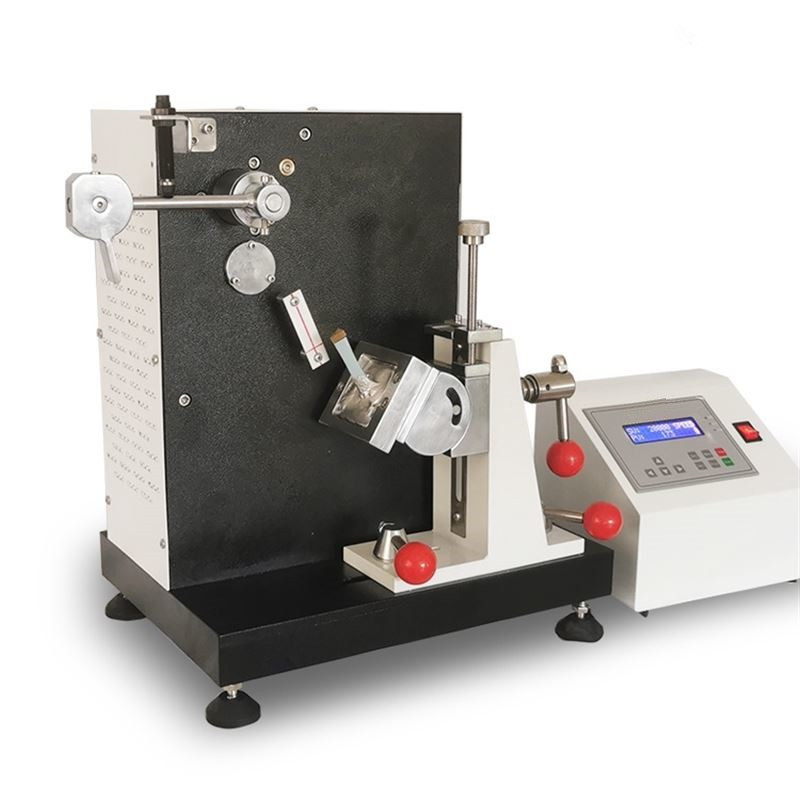
Working Principle of the Shoe Heel Impact Fatigue Tester
Pendulum System
The tester utilizes a pendulum that is released from a specified height, where potential energy is converted into kinetic energy to generate an impact force. The mass of the pendulum and the drop height are adjustable to meet different testing requirements.
Data Acquisition and Analysis
The equipment is equipped with sensors and a measurement system that records parameters such as impact force, impact velocity, and heel deformation in real time, and generates a durability evaluation report based on the collected data.
Core Functions and Technical Highlights of the Shoe Heel Impact Fatigue Tester
Multi-mode Testing
The tester can simulate walking conditions under different body weights (50–100 kg) and walking frequencies (60–120 steps per minute), enabling comprehensive evaluation of heel performance under varied usage scenarios.
Intelligent Monitoring System
It is equipped with an advanced real-time monitoring system that accurately records heel deformation, cracking, or detachment. The measurement precision can reach up to 0.1 mm, ensuring high data reliability.
Environmental Simulation
Some models are equipped with temperature and humidity control systems, allowing evaluation of heel performance under different environmental conditions such as high temperature or humid environments.
Energy-saving Design
The system adopts a servo motor drive, which reduces energy consumption by more than 40% compared with traditional equipment, improving efficiency and sustainability.
Technical Breakthroughs and Industry Applications of the Shoe Heel Impact Fatigue Tester
Traditional shoe heel impact testers are mostly based on basic mechanical dynamics, using devices such as pendulums to simulate the impact forces exerted on heels during walking. With continuous technological advancement, modern shoe heel impact testing machines have achieved a transformation from simple mechanical simulation to high-precision and intelligent testing systems.
One of the most significant breakthroughs is the integration of sensor technology. High-precision force sensors can capture real-time impact force variations with millinewton-level accuracy, providing reliable data for analyzing the heel’s impact resistance performance. Displacement sensors, on the other hand, measure heel deformation under impact, enabling micron-level quantification of structural changes and giving manufacturers a clear understanding of heel structural stability.
Automation control technology has also greatly improved testing efficiency. Modern testers can pre-set parameters such as impact cycles and impact energy, allowing the entire testing process to run automatically and minimizing human error. After testing, the system can quickly generate detailed electronic reports that include force curves, deformation data, and failure analysis, significantly saving time and labor costs. For example, a well-known footwear company reported that after adopting automated shoe heel impact testers, the testing time for a single batch of heels was reduced from several hours to less than 30 minutes, improving efficiency by several times.
Intelligent and digital technologies further enhance the capabilities of the equipment. Some advanced systems are equipped with intelligent analysis software that can deeply mine large volumes of test data to evaluate the performance of different materials and heel structures under various impact conditions. This helps R&D engineers optimize product design. For instance, big data analysis may reveal that a specific material combination provides longer fatigue life under certain impact frequencies, offering valuable guidance for developing new heel structures. In addition, with IoT connectivity, multiple testing machines can be networked, enabling remote monitoring of equipment status and data access, thus improving coordination between production and testing processes.
In footwear manufacturing, shoe heel impact testers play a critical role throughout the entire production cycle. During the design stage, R&D engineers use the tester to evaluate different heel design solutions and select the optimal structure. For example, in the development of a new high-heel shoe, repeated testing and adjustments to internal support structures and material ratios improved impact resistance by 30%, significantly reducing the risk of heel fracture.
During production, the equipment is used for quality control through batch sampling to ensure consistent product quality. If any heel fails to meet impact resistance standards, manufacturers can trace back to the production process and adjust manufacturing parameters in time.
Quality inspection organizations also rely heavily on shoe heel impact testers. In footwear certification processes, test results serve as key evaluation criteria. Only products that pass strict impact tests are allowed to enter the market, ensuring consumer safety and protecting user rights. The equipment is also used to analyze root causes when addressing consumer complaints about heel failures, helping companies improve product quality.
The technological breakthroughs of shoe heel impact testing machines have significantly driven the development of the footwear industry. In the future, with continued advancements in materials science and artificial intelligence, these testers are expected to achieve even more realistic human walking impact simulations, further improving testing accuracy and efficiency, and injecting new momentum into the high-quality development of the footwear industry.
Technical Features of the Shoe Heel Impact Fatigue Tester
High Stability
The shoe heel impact testing machine adopts a robust structural design and is manufactured with high-quality materials, ensuring stability during testing and guaranteeing the accuracy and reliability of test results.
High Precision
The equipment is equipped with advanced sensors and measuring instruments capable of real-time monitoring and recording of key test parameters such as impact force and impact velocity, ensuring high measurement accuracy.
Multi-functionality
The tester supports multiple test modes, including static impact, dynamic impact, and repeated impact tests. It can simulate various usage conditions and environments to meet different product testing requirements.
User-friendly Operation
With an intuitive and easy-to-use interface, the system can be controlled and monitored via a computer or touchscreen. Operators require only minimal training to operate the equipment proficiently.
Safety and Reliability
The machine is equipped with multiple safety protection features, such as an emergency stop button and overload protection system, ensuring safe operation for both the equipment and operators.
High Efficiency
The shoe heel impact tester offers fast testing speed and high operational efficiency, enabling rapid completion of tests and significantly improving overall productivity.
Importance of the Shoe Heel Impact Fatigue Tester
The application of this equipment is not only closely related to consumer wearing experience, but also serves as a critical tool for footwear manufacturers to improve product quality and meet market demands.
1. Ensuring Durability of Footwear Products
As an essential component of footwear, the heel directly bears most of the impact forces during walking. Over time, improper design or poor material selection can easily lead to heel wear or fracture, significantly reducing the service life of the shoes. The shoe heel impact tester simulates impacts of different intensities and frequencies to conduct repeated testing on heels, evaluating their durability. This process helps manufacturers identify and improve design flaws, select more durable materials, and ensure that footwear products can withstand market demands, providing long-term value to consumers.
2. Improving Wearing Comfort
Comfort is one of the key factors consumers consider when selecting footwear. During testing, the shoe heel impact tester not only evaluates durability but also indirectly reflects the shock absorption performance of the shoe. Good cushioning performance effectively reduces impact forces during walking or running, minimizing foot fatigue and injury risk. By optimizing heel design and material selection based on test results, manufacturers can continuously improve cushioning performance and enhance overall wearing comfort, meeting consumers’ pursuit of high-quality living.
3. Ensuring Wearing Safety
Safety is another critical aspect of footwear performance. For specific types of shoes such as high heels, heel stability is directly related to wearer safety. The shoe heel impact tester simulates impacts at different angles and speeds to evaluate heel stability and anti-slip performance. This helps manufacturers identify potential safety risks such as heel detachment or instability and take corrective actions to ensure that footwear products do not cause accidental injuries during use.
4. Promoting Footwear Design and Innovation
With technological advancement and increasing consumer diversity, design innovation has become a key driver of industry development. The shoe heel impact tester serves as an essential tool in the R&D process, providing designers with scientific and data-driven support. Through testing results, designers can clearly understand the performance differences between various design solutions and make more rational design decisions. In addition, the application of testing technology also stimulates innovation, encouraging the adoption of new materials and processes, and promoting product upgrades and industrial advancement.
5. Meeting International Standards and Regulatory Requirements
In today’s global trade environment, footwear products must comply with various international standards and regulations to enter global markets. The shoe heel impact tester plays an important role in quality inspection, with its test results often serving as key evidence for compliance. By using this equipment, manufacturers can ensure that their products meet or exceed international standards, enhance market competitiveness, and expand into global markets.
In summary, as a core piece of equipment in footwear manufacturing and quality control, the shoe heel impact fatigue tester plays an indispensable role. By providing accurate and reliable test data, it helps manufacturers ensure product durability, safety, and comfort, while improving overall quality and market competitiveness. Ultimately, it better meets consumers’ expectations for high-quality footwear products and supports the continuous advancement of the industry.
Previous: What is shear fatigue?
N e x t : Are Burning Mannikins still used today?
