





What is a Sandbag Mechanical Load Testing Machine?
2026/06/04
Share:

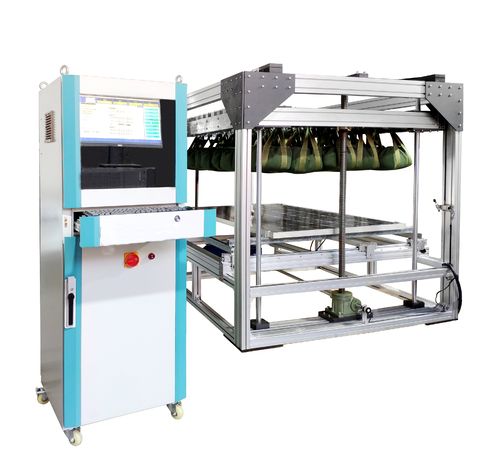
Functions and Applications of the Sandbag Mechanical Load Testing Machine
Core Functions
The Sandbag Mechanical Load Testing Machine is capable of applying uniformly distributed static mechanical loads to photovoltaic (PV) modules. By precisely monitoring module deformation, crack initiation and propagation, as well as changes in electrical continuity under loading conditions, the system provides a comprehensive evaluation of the module's structural stability and long-term durability.
Some advanced models are also equipped with a reverse suction load (negative pressure) simulation function, enabling the replication of negative wind pressure conditions encountered in real outdoor environments. This feature allows for a more realistic assessment of module performance under complex mechanical loading scenarios and helps identify potential structural weaknesses before field deployment.
Main Applications
The equipment is primarily used to satisfy the requirements of standard certification tests and customer acceptance inspections within the photovoltaic industry. It enables systematic evaluation of:
Frame structural strength and rigidity
Load-bearing capacity of the front glass surface
Installation strength and reliability of junction boxes
Overall integrity and reliability of encapsulation materials
Mechanical durability of the complete PV module assembly
In addition, the Sandbag Mechanical Load Testing Machine is widely utilized in mass-production quality control and new product design verification for crystalline silicon photovoltaic modules. By simulating actual service loads, it helps manufacturers ensure that their products possess sufficient mechanical safety, structural reliability, and long-term performance throughout their operational lifetime.
Technical Features of the Sandbag Mechanical Load Testing Machine
The Sandbag Mechanical Load Testing Machine offers several key technical features that make it suitable for evaluating the mechanical load resistance of photovoltaic (PV) modules.
1. Loading Method
The system utilizes dust-free sandbags of standard weight, which are manually placed on the surface of the PV module to simulate a uniformly distributed static load. This testing method effectively reproduces the static mechanical stresses experienced by modules in real outdoor environments. However, it is primarily intended for static load testing and is not suitable for dynamic or cyclic load simulations.
2. Pressure Control Accuracy
The loading accuracy is typically maintained within ±2% to ±3%, depending on the consistency of the sandbag weight and the uniformity of placement across the module surface. Some advanced models are equipped with load calibration or weighing systems to improve loading precision and ensure more reliable test results.
3. Test Area Capacity
The effective loading area generally ranges from 2500 × 1300 mm to 3000 × 2000 mm, accommodating most standard and large-format photovoltaic modules. The test platform is commonly constructed using a high-strength industrial aluminum profile frame, providing excellent rigidity and ensuring that the structure remains stable and deformation-free during testing.
4. Degree of Automation
Most sandbag mechanical load testing machines operate through manual loading procedures and do not incorporate servo-controlled loading systems. While some high-end versions may feature a touchscreen interface for recording deformation data and test duration, they generally do not include a closed-loop pressure control system with real-time load feedback.
5. Auxiliary Functions
Depending on the model, additional features may include:
Overload warning functions
Manual data entry and record management
Dust-free sandbag design for a cleaner testing environment
Optional deformation observation and documentation tools
However, conventional sandbag loading systems typically do not provide powered electrical continuity monitoring, automatic fault detection, or automatic alarm functions during testing.
These characteristics make the Sandbag Mechanical Load Testing Machine a cost-effective and practical solution for PV module mechanical load verification, quality control, and certification testing where static load simulation is required.
Operating Procedure of the Sandbag Mechanical Load Testing Machine
The operating procedure of the Sandbag Mechanical Load Testing Machine strictly follows the requirements of relevant IEC standards for photovoltaic module mechanical load testing. By applying uniformly distributed static loads, the system simulates wind and snow pressure conditions encountered in real outdoor environments. The testing process is based on the sequence of installation – weight preparation – loading – monitoring – unloading – inspection and recording, without the use of active loading mechanisms such as pneumatic cylinders or vacuum suction cups.
1. Preparation Stage
Before testing, verify that the laboratory environment meets the specified test conditions and inspect the photovoltaic module for any visible damage, cracks, or defects. Determine the required test load according to the applicable standard and testing requirements.
Securely mount the module onto a rigid horizontal support structure, ensuring proper fixation and eliminating any localized stress concentrations that could affect the test results.
2. Sandbag Preparation and Arrangement
Use calibrated dust-free sandbags with verified weights. Calculate the required number of sandbags based on the effective surface area of the module and the target loading pressure.
Before placing the sandbags, install a protective anti-slip and anti-scratch padding layer on the module surface. Direct contact between sandbags and the glass surface is strictly prohibited to prevent accidental damage.
Arrange the sandbags symmetrically and evenly, starting from the center of the module and progressing outward toward the edges. Avoid stacking, overlapping, or allowing sandbags to slide during the test. The load distribution should remain as uniform as possible, with a pressure deviation not exceeding ±5%.
3. Loading and Monitoring Test
Gradually apply the load until the specified total weight is reached. Once the target load is achieved, maintain the load for the required test duration, typically one hour, in accordance with standard test procedures.
During the loading period, monitor and record relevant parameters such as:
Open-circuit voltage (Voc)
Wet leakage current (if the system is equipped for such measurements)
Module surface temperature
Structural deformation and displacement
Operators should continuously inspect the module for any abnormalities, including:
Glass cracking or breakage
Frame deformation
Cell microcracks
Delamination or encapsulation defects
Junction box damage
It should be noted that the sandbag loading method cannot simulate reverse suction loads (negative pressure). Reverse-load testing typically requires either flipping the module orientation or using dedicated vacuum suction-based mechanical load testing equipment.
4. Unloading and Post-Test Inspection
After the required loading period has been completed, remove the sandbags gradually and layer by layer to prevent sudden unloading impacts that could introduce additional stress to the module.
Clean the module surface and perform a comprehensive post-test inspection in accordance with the applicable standards. Typical evaluations include:
Visual appearance inspection
Electrical performance verification
Structural integrity assessment
Detection of newly formed cracks or defects
5. Safety and Compliance Requirements
To ensure safe operation and reliable test results, the following precautions should be observed:
Operators must wear appropriate personal protective equipment (PPE).
The stacking height of sandbags should not exceed 1.5 meters to minimize the risk of collapse.
The sandbag method is suitable only for static mechanical load testing and is not intended for dynamic or cyclic load simulations.
The weight of all sandbags should be calibrated and verified before each test.
Complete records should be maintained, including:
Environmental conditions
Test load specifications
Sandbag distribution layout
Test duration
Observed abnormalities
Inspection and measurement results
By following these procedures, the Sandbag Mechanical Load Testing Machine can provide reliable and repeatable evaluations of photovoltaic module mechanical strength, helping manufacturers ensure compliance with international standards and long-term product reliability.
Maintenance Recommendations for the Sandbag Mechanical Load Testing Machine
To ensure long-term operational reliability, testing accuracy, and equipment safety, maintenance of the Sandbag Mechanical Load Testing Machine should focus on cleaning, fastening, corrosion prevention, calibration, and safe operation. The fundamental maintenance principle is: “Clean after every use, inspect regularly, calibrate periodically, and never exceed the rated limits.”
1. Thorough Cleaning After Each Use
After every test, remove any residual dust, sand particles, or debris from the sandbags, loading platform, aluminum profile frame, and loading area. Accumulated dust may cause abrasive wear on mechanical components and sensors over time.
Cleaning recommendations include:
Use a soft cloth or compressed air to remove dust and debris.
Keep guide rails, sensor areas, and moving parts clean.
Avoid the accumulation of foreign particles around electrical components.
Do not wash electrical or sensor components with water, as moisture may damage the control system and measurement devices.
2. Inspection and Tightening of Mechanical Structures
Conduct routine inspections of all structural components, preferably on a weekly basis.
Key inspection items include:
Industrial aluminum profile frame connections
Mounting brackets and support fixtures
Sandbag retaining structures
Limit switches
Grounding cables and terminals
Fasteners and bolts
Any loose, damaged, or corroded components should be tightened or replaced according to the manufacturer's specified torque requirements.
3. Corrosion Protection for Metal Components
Exposed metal parts such as guide rails, lead screws, bolts, and fasteners should be protected with a thin layer of anti-corrosion lubricant or rust-preventive grease.
Additional recommendations:
Increase lubrication frequency in humid environments.
Regularly inspect for signs of oxidation or corrosion.
Keep the sandbag storage area dry and well-ventilated to prevent rust contamination that could affect photovoltaic modules during testing.
4. Calibration and Sensor Maintenance
To maintain testing accuracy, load sensors and control systems should be calibrated every 6 to 12 months by a qualified calibration organization, in accordance with relevant standards and quality management requirements.
Routine verification may include:
Functional checks using certified standard weights
Inspection of load cell performance
Verification of data acquisition accuracy
Confirmation of control system responsiveness
Additionally, ensure that:
Control panels remain clean and dry.
Communication cables and connectors are free from dust and corrosion.
Sensor wiring remains securely connected.
5. Sandbag Management
Dust-free sandbags are critical testing accessories and should be managed carefully.
Regular inspections should verify:
No tearing or puncturing of sandbags
No leakage of filling materials
No deterioration or aging of inner liners
Uniform weight consistency among sandbags
It is recommended to:
Assign identification numbers to each sandbag batch.
Maintain usage records for traceability.
Replace damaged sandbags promptly.
Do not use damp sand or sand containing impurities, as this may cause uneven load distribution, localized overloading, or contamination of the module surface.
6. Electrical and Control System Maintenance
Inspect the electrical system at least once per month.
Inspection items include:
Power supply cables
PLC wiring connections
Touchscreen and control panel interfaces
Communication ports and data cables
Grounding systems
Safety functions should also be tested regularly, including:
Emergency stop operation
Overload protection functions
Alarm system functionality (if equipped)
For long-term storage or inactivity:
Disconnect the main power supply.
Cover the equipment with a dust-proof protective cover.
Place desiccants inside the electrical cabinet to minimize moisture accumulation.
7. Avoid Overloading and Non-Standard Operation
The equipment should always be operated within its rated specifications.
Operators should:
Follow the load limits specified on the equipment nameplate.
Never add unauthorized additional weights.
Ensure that photovoltaic modules are positioned centrally and evenly on the test platform.
Avoid eccentric or uneven loading conditions.
Improper loading practices may result in:
Platform deformation
Structural damage
Sensor overload
Measurement inaccuracies
8. Establish a Maintenance Log System
A comprehensive maintenance record should be maintained throughout the equipment's service life.
The maintenance log should include:
Maintenance date and personnel
Inspection and cleaning activities
Calibration reports and results
Replacement parts information
Repair records
Abnormal conditions and corrective actions
Implementing a “one machine, one file” management system facilitates equipment audits, preventive maintenance planning, quality management compliance, and fault traceability.
By following these maintenance recommendations, users can significantly extend the service life of the Sandbag Mechanical Load Testing Machine, maintain testing accuracy, reduce downtime, and ensure consistent compliance with photovoltaic module testing standards.
Importance of the Sandbag Mechanical Load Testing Machine
The core importance of the Sandbag Mechanical Load Testing Machine lies in its ability to simulate static mechanical loads caused by wind, snow, and ice, thereby verifying the structural safety and durability of photovoltaic (PV) modules under real-world extreme environmental conditions. It serves as a critical testing method for meeting international certification requirements such as IEC and UL standards, while ensuring the long-term reliability and safe operation of photovoltaic power plants throughout their service life.
1. Foundation for Compliance and Market Access
Static mechanical load testing using the sandbag method is an essential requirement for obtaining internationally recognized certifications such as IEC 61215. IEC 61730. and UL 61730. Without successfully completing these tests, PV modules may fail to meet regulatory requirements for global market entry, project approval, or grid connection.
By demonstrating compliance with industry standards, manufacturers can improve product credibility and gain access to international photovoltaic markets.
2. Early Identification of Potential Failure Risks
The testing process enables manufacturers to identify load-induced defects before products are deployed in the field, including:
Glass cracking or breakage
Frame deformation
Solder joint fatigue or delamination
Junction box detachment
Encapsulation material failures
Cell microcracks caused by mechanical stress
Detecting these issues during the development and production stages helps prevent costly failures in service and reduces the risk of module collapse, electrical hazards, or fire incidents caused by heavy snow accumulation or extreme wind conditions.
3. Supporting the Balance Between Cost and Safety
Mechanical load testing provides valuable data for optimizing module mounting structures and installation methods. The results help engineers determine appropriate load-bearing capacities and structural safety margins.
This prevents:
Overdesign, which increases material and installation costs
Underdesign, which may lead to structural failures and safety incidents
Such evaluations are particularly important for installations located in regions exposed to high wind speeds, heavy snowfall, or severe weather conditions.
4. Essential Tool for New Technology Validation
As photovoltaic technology continues to evolve, manufacturers are increasingly developing:
Lightweight PV modules
Large-format modules
Double-glass (glass-glass) modules
High-power modules with larger cell configurations
The Sandbag Mechanical Load Testing Machine provides objective verification of the bending resistance, torsional strength, and overall mechanical robustness of these new designs. This is especially important for distributed rooftop systems and other applications where structural load capacity is limited.
5. Unique Advantages of the Sandbag Testing Method
Although the sandbag method is a static loading technique that requires more manual operation than automated systems, it offers several significant advantages:
Lower equipment and operating costs
Simple and reliable testing procedures
Uniform load distribution over the module surface
Excellent simulation of actual snow accumulation conditions
High repeatability when properly implemented
With the adoption of modern dust-free sandbag systems, this method has become one of the most widely accepted static mechanical load testing solutions in the photovoltaic industry. It complements dynamic testing technologies based on pneumatic cylinders or vacuum suction systems, allowing manufacturers to conduct comprehensive mechanical performance evaluations.
In summary, the Sandbag Mechanical Load Testing Machine plays a vital role in photovoltaic module quality assurance, certification testing, product development, and long-term reliability assessment. By accurately simulating real-world mechanical loading conditions, it helps manufacturers ensure product safety, improve structural performance, and comply with international industry standards.As an indispensable testing solution for the photovoltaic industry, this equipment deserves greater attention from manufacturers, testing laboratories, project developers, and industry professionals alike.We warmly welcome industry colleagues, business partners, and prospective customers to contact us for further discussion and technical exchange. Our team will be pleased to provide detailed product information, technical specifications, testing guidance, and customized solutions tailored to your specific requirements, helping you achieve reliable and efficient photovoltaic product evaluation and quality control.
Previous: What is the ignition distance test for spray aerosols?
N e x t : What is the Fabric Anti-Electromagnetic Radiation Performance Tester?
