





What is the Fabric Anti-Electromagnetic Radiation Performance Tester?
2026/06/05
Share:

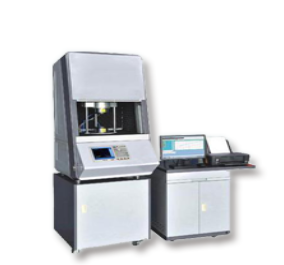
Technical Features of Fabric Anti-Electromagnetic Radiation Performance Tester
The core function of this tester is to evaluate the anti-radiation performance of textiles by quantifying their ability to reflect, absorb, and transmit electromagnetic waves. It covers commonly used radio frequency bands and features automatic control, dynamic waveform display, and error normalization functions.
Clear testing principle:
The device adopts the shielding box method or flange coaxial method. By using a transmitting/receiving system to measure the electromagnetic power transmitted through the fabric, it calculates the shielding effectiveness, thereby reflecting its anti-radiation performance.
Practical frequency coverage:
Mainstream equipment supports a frequency range from 30 MHz to 3 GHz, with some models extending down to 300 kHz. Sensitivity reaches ≤1 μW/cm², and the measurable transmission range is typically from -20 dB to 20 dB.
Intelligent operation integration:
The LCD screen features bilingual Chinese-English menus. When connected to a PC, it can dynamically display spectrum graphs. Dedicated software includes automatic normalization to eliminate system errors. The number of sweep points is adjustable, and the system supports SCPI commands and secondary development.
Precise and stable structure:
The main unit is made of nickel-plated alloy steel. The upper and lower clamping systems use alloy screw rods and imported guide rails to ensure precise alignment between the sample and test port. The dynamic range is ≥95 dB, and the voltage standing wave ratio (VSWR) is <1.2. ensuring high measurement repeatability.
Compliance and output capability:
The system complies with domestic standards such as GB/T, QJ, and SJ. Test data and curves can be printed, and some models are equipped with a full measurement and control system enabling fully automated testing procedures.
Principle of the Fabric Anti-Electromagnetic Radiation Performance Tester
The suppression mechanism of the Fabric Anti-Electromagnetic Radiation Performance Tester is mainly based on the combined effects of shielding, absorption, and reflection.
Shielding effect (primary mechanism):
The shielding performance mainly relies on the shielding effect. When metallic fibers, silver fibers, or conductive polymers are incorporated into the fabric, a continuous conductive network is formed within the material.
Induced current and electromagnetic cancellation:
When electromagnetic waves are incident on the fabric surface, induced currents and charges are generated on the conductive surface. These in turn excite an opposing electromagnetic field, which cancels or weakens the incoming electromagnetic waves, thereby achieving shielding.
Absorption effect:
A portion of the electromagnetic energy is absorbed and converted into heat during penetration through the fabric, resulting in energy loss.
Reflection effect:
Electromagnetic waves are reflected at the interface between air and the fabric, reducing the amount of energy entering the material.
The combined effect of these three mechanisms is expressed as the shielding effectiveness (SE) of the fabric against electromagnetic waves, measured in decibels (dB). A higher value indicates stronger shielding performance.
Operating Procedure of the Fabric Anti-Electromagnetic Radiation Performance Tester
Power-on and warm-up
Sequentially power on the signal source, power amplifier, receiver, computer, and software. Allow the system to warm up for 15–30 minutes to stabilize electronic components and reduce measurement drift. At the same time, check whether all connections are secure and ensure that antennas and cables are undamaged.
Environmental inspection
Testing should be conducted in a shielded environment to ensure that external electromagnetic interference is lower than the system noise floor. If an open test platform is used, it should be kept away from high-power equipment, mobile signal towers, and motors. If necessary, a shielding enclosure should be used to isolate the test area.
Sample preparation and conditioning
Cut samples according to standard requirements, typically 30 cm × 30 cm or as required by the fixture size. The sample should be flat, clean, free of stains and holes, with uniformly distributed conductive fibers. Avoid folding or stretching that may deform the structure. Before testing, samples should be conditioned under standard temperature and humidity conditions for sufficient time to eliminate static electricity and stress effects.
System calibration
Use standard calibration kits to calibrate the system, including path loss calibration, antenna gain calibration, and power calibration, ensuring accuracy of the transmission and reception chain. After completing the empty-field calibration, record the frequency-response curve under blank conditions as the reference baseline for subsequent calculations.
Sample installation
Mount the fabric sample flat on the fixture, ensuring that the test area fully covers the effective propagation path between transmitting and receiving antennas. The edges should be well sealed to prevent diffraction leakage through gaps, which could lead to underestimated results.
Start testing
Initiate automatic frequency sweep testing. The system transmits electromagnetic waves point-by-point across the set frequency range while simultaneously receiving and recording signal strength. The entire process is automated, and the software displays the shielding effectiveness curve in real time.
Multi-point testing and averaging
To reduce errors caused by local non-uniformity, each sample should be tested at 3–5 different positions, and the arithmetic mean should be used as the final result. For garments, key areas such as the front panel, back panel, shoulders, and cuffs should be tested separately to comprehensively evaluate overall protection performance.
Data storage and report export
After testing, save the raw data and curve plots. Generate a test report according to relevant standards, including sample information, test frequency range, minimum/maximum/average shielding effectiveness, and environmental conditions.
Sample removal and instrument maintenance
Remove the sample carefully to avoid scratching the antenna surface. Restore the fixture and clamps to their original positions, and shut down high-power components such as antennas and power amplifiers. For routine maintenance, keep antenna surfaces clean and avoid direct hand contact. Prevent excessive bending of cables. Ensure shielding chamber doors are properly sealed. If the instrument is not used for a long time, store it in a dry, dust-free, and temperature-controlled environment, and power it on periodically for maintenance to prevent moisture-related damage.
Maintenance Recommendations for the Fabric Anti-Electromagnetic Radiation Performance Tester
Proper maintenance of the Fabric Anti-Electromagnetic Radiation Performance Tester is essential to ensure measurement accuracy, equipment stability, and environmental compliance. The following guidelines are recommended:
Daily cleaning and inspection:
After each use, clean dust from fixtures, guide rails, and sensors using a soft brush or compressed air. Do not use solvents to wipe metal contact surfaces to avoid corrosion. Check whether the sample clamping mechanism is properly aligned and whether the guide rails are free of debris. Ensure that the flange coaxial fixture is tightly closed.
Calibration and accuracy assurance:
Perform full-band calibration every 6 to 12 months by a qualified third-party institution in accordance with GB/T standards or equivalent. Allow at least 30 minutes of warm-up before testing. Regularly verify system normalization performance using standard shielding plates.
Environmental control:
The equipment should be installed in a temperature- and humidity-controlled laboratory with low electromagnetic interference. Avoid proximity to high-power RF sources. If necessary, use shielding enclosures or isolation nets to reduce interference.
Power supply and interface maintenance:
Use a regulated power supply to avoid voltage fluctuations. Periodically check whether the shielding layer of RS-232/USB communication cables is intact and whether connectors are oxidized. If the equipment is not used for a long period, disconnect the power and store it in a moisture-proof cabinet. Power it on for one hour every quarter to prevent moisture-related issues.
Software and data management:
Keep dedicated testing software updated. Back up test data to external drives or cloud storage to prevent loss of calibration parameters due to PC system failure. Do not force shutdown during testing operations.
Wear parts and mechanical components:
Apply a small amount of non-corrosive lubricant to alloy screw rods and guide rails every 2–3 months. If abnormal clamping force or motion jitter occurs, contact the manufacturer for inspection. Do not disassemble high-precision RF modules by yourself.
Record keeping and shutdown procedures:
Maintain a detailed maintenance log. If signal drift, display abnormalities, grounding alarms, or test repeatability exceeding ±1 dB occurs, the instrument should be stopped immediately and technical support from the manufacturer should be contacted.
Significance of the Fabric Anti-Electromagnetic Radiation Performance Tester
Do you know how important a Fabric Anti-Electromagnetic Radiation Performance Tester really is? It can quantitatively measure the actual ability of textiles to block everyday electromagnetic radiation, making it a key tool for ensuring the effectiveness of anti-radiation products, supporting regulatory compliance, and helping consumers make safe and confident choices.
Ensuring real and reliable protection performance:
For products such as anti-radiation clothing, without proper testing equipment, it is impossible to verify whether the claimed shielding performance (e.g., ≥30 dB) is true or just marketing claims. This tester helps eliminate false advertising in the market by providing objective and verifiable data.
Supporting implementation of national and industry standards:
According to regulatory requirements, this testing system is a legally recognized and compliant method for evaluating the electromagnetic shielding effectiveness of protective textiles. It can comprehensively assess reflection, absorption, and total attenuation of electromagnetic waves, fully meeting standard testing requirements.
Driving product development and material optimization:
The tester accurately evaluates shielding performance across different frequency bands for various materials, providing essential data for material improvement and process optimization, thereby accelerating product upgrades and innovation.
Protecting vulnerable and high-risk populations:
For protective products used by pregnant women, healthcare workers, or individuals in high-radiation environments, the device provides repeatable and traceable performance data, helping reduce concerns about potential health risks.
Facilitating trade and certification:
Whether for export or e-commerce sales, most markets require third-party testing reports. The data generated by this instrument serves as essential evidence for certifications such as CNAS and CMA.
In summary, the Fabric Anti-Electromagnetic Radiation Performance Tester is a critical piece of technical equipment that bridges advanced material science research with real-world health protection needs and regulatory systems. It plays an indispensable role in driving industry development, ensuring product quality, and safeguarding user safety.We sincerely welcome you to leave a message or contact us directly so that we can provide more detailed product information, technical specifications, and application solutions. We look forward to further communication and cooperation with you.
Previous: What is a Sandbag Mechanical Load Testing Machine?
N e x t : What device is used to measure static pressure?
