





What is the wit test for filter integrity?
2026/07/01
Share:

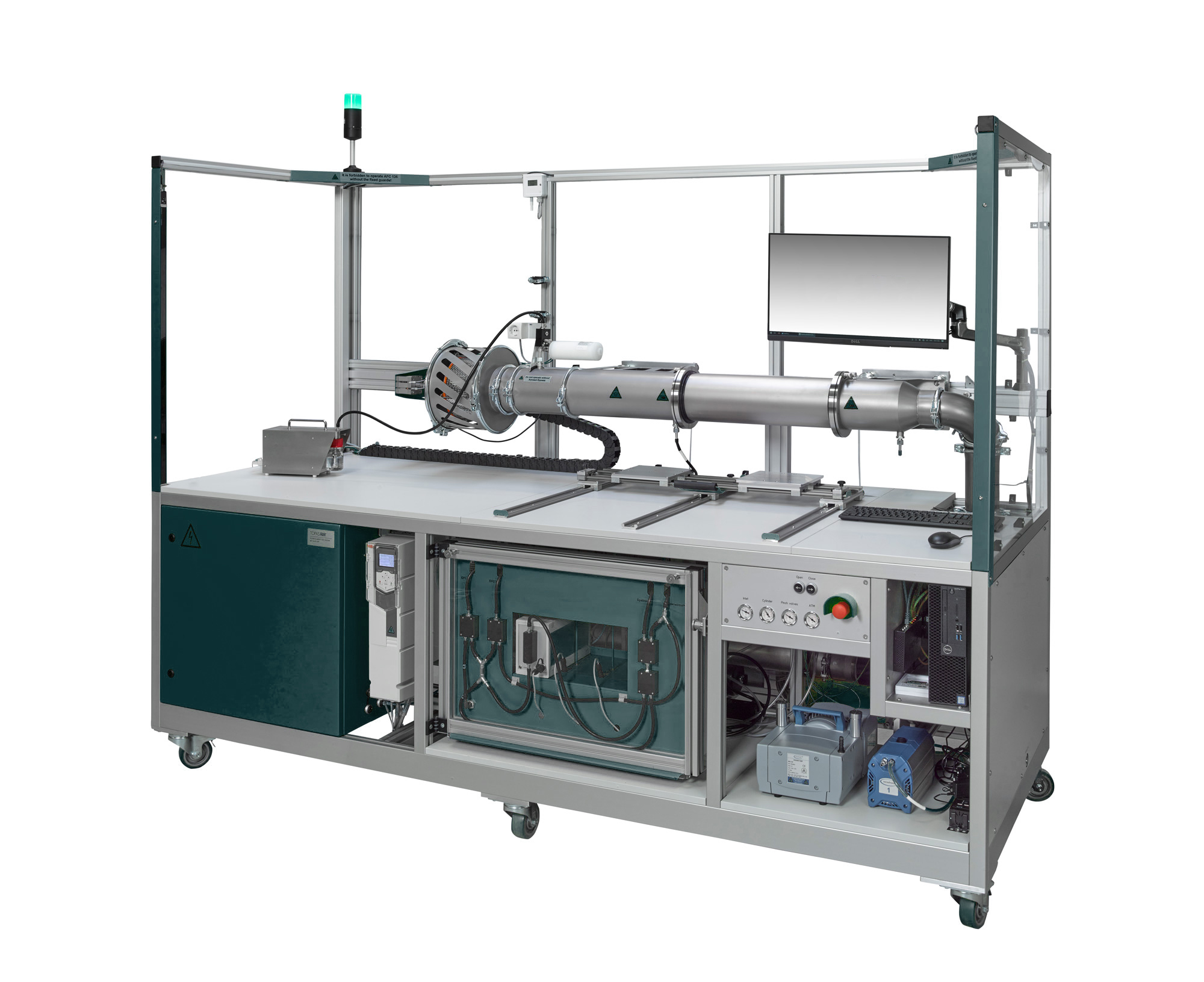
Features of an Automated Filter Element Test System
An Automated Filter Element Test System is a device used for testing and evaluating filter performance. It is widely applied in industries such as pharmaceuticals, chemicals, food processing, electronics, and semiconductor manufacturing. The system efficiently evaluates filtration efficiency, durability, and overall performance, ensuring that water quality, air quality, or other fluid media meet required standards during production.
1. Automated testing process
The system can automatically complete the entire testing workflow, including sample loading, test condition setup, test execution, and result recording. This significantly improves testing efficiency and accuracy.
2. Multi-functionality
The system can be configured with multiple testing modes, including pressure testing, flow testing, particle retention testing, and microbial retention testing, meeting diverse filtration evaluation requirements.
3. High precision and repeatability
With high-accuracy sensors and advanced control technology, the system delivers precise and repeatable test results, which is critical for ensuring product quality consistency.
4. Data recording and analysis
The system is typically equipped with real-time data logging and analysis functions. It can monitor the testing process and generate detailed reports, helping users quickly assess filter performance.
5. Easy operation and maintenance
The user interface is designed to be intuitive and easy to operate, even for non-specialists. At the same time, the system is designed for convenient maintenance, including easy component replacement and routine servicing.
6. Flexibility and customization
The system can be customized according to different application requirements. Testing parameters can be adjusted to suit various types and specifications of filter elements.
7. High safety and reliability
Safety features such as overload protection and emergency stop functions are integrated into the system design to ensure safe operation. In addition, highly reliable hardware and software ensure long-term stable performance.
8. Cost-effectiveness
By reducing manual intervention and improving testing efficiency, the automated system helps lower operational costs and enhances overall production efficiency.
9. Environmental friendliness
Some systems are designed with energy-saving and environmental considerations, such as low-energy components and optimized water resource usage.
Conclusion
With these features, the Automated Filter Element Test System provides manufacturers with a powerful tool for monitoring and managing filtration performance, ensuring that product quality and service standards consistently meet high industry requirements.
Application Scenarios of the Automated Filter Element Test System
In the field of automated testing, Automated Filter Element Test Systems are mainly used to evaluate and verify the performance and reliability of filtration elements such as filters, sieves, and microporous membranes. These systems are widely applied across multiple industries, including chemical processing, pharmaceuticals, food and beverage production, water treatment, and environmental monitoring.
1. Pharmaceutical and biotechnology industry
In pharmaceuticals and biotechnology, filters are used for separating and purifying drug components or biological materials. Automated filter element test systems ensure the accuracy and efficiency of these filters, which is critical for maintaining the purity and quality of pharmaceutical products and biological preparations.
2. Chemical and petroleum industry
In chemical and petroleum applications, filtration elements are used to remove impurities, separate components, or purify fluids. Automated testing systems help evaluate pore size distribution, flow characteristics, and durability under various chemical environments, ensuring safe and efficient production processes.
3. Food and beverage industry
Filters in the food and beverage industry are used to remove suspended particles, bacteria, and other impurities to ensure product cleanliness. Automated testing systems can quickly assess filtration efficiency and ensure compliance with hygiene and safety standards.
4. Water treatment industry
In wastewater treatment and drinking water purification, filters play a key role in removing contaminants and improving water quality. Automated testing systems help monitor filter performance, including the removal efficiency of particles, heavy metal ions, and other pollutants, ensuring compliance with water quality standards.
5. Environmental monitoring
In environmental monitoring applications, filters are used to collect and analyze pollutants from air or water samples. Automated testing systems evaluate sampling efficiency and accuracy, which is essential for environmental research and monitoring activities.
6. Laboratory research
In scientific research and laboratory environments, filters are used in various experiments such as cell culture and chemical analysis. Automated testing systems ensure high precision and repeatability of filter performance, supporting accurate and reliable research outcomes.
Principle and Operation Process of the Automated Filter Element Test System
An Automated Filter Element Test System is a specialized device used for evaluating the performance of filtration elements. It is widely applied in industries such as pharmaceuticals, biotechnology, chemical engineering, and water purification. The system can automatically perform various tests on filter elements, including filtration efficiency, pressure drop, flow characteristics, and microbial retention, ensuring that the filters meet specific quality standards.
1. Working principle
Automated control
The system uses a computer-based control unit to automatically execute testing programs. Different test protocols can be pre-set, including parameters such as testing time, flow rate, and pressure.
Sensors and data acquisition
The system is equipped with multiple sensors, such as flow meters, pressure sensors, and temperature sensors, to monitor and record real-time data during the testing process.
Filter element installation
During testing, the filter element is installed into a dedicated test fixture, typically a filter housing or testing module.
Test execution
Based on the pre-set program, the system automatically controls the fluid flow through the filter element while continuously collecting and analyzing data.
Data analysis
After testing, the system automatically analyzes the collected data and generates a test report, including key performance indicators such as filtration efficiency, pressure drop, and flow variation.
2. Operating procedure
Preparation stage
Confirm required test parameters and standards
Install the filter element into the test fixture of the system
Check whether all sensors and equipment are functioning properly
System setup
Set test parameters via the computer interface, such as flow rate, pressure, and test duration
Configure data acquisition and analysis settings
Start testing
Launch the test program; the system automatically controls fluid flow through the filter element
Monitor and record all data during the testing process
Data analysis and reporting
The system automatically analyzes test data after completion
Generates a detailed test report, including filtration efficiency, pressure drop, and flow variation
Evaluates whether the filter element meets specified standards
Result evaluation and adjustment
Assess filter performance based on the test report
Adjust filter elements or test parameters if necessary and retest
Record all modifications and repeated test results
Maintenance and cleaning
Regularly clean and maintain the equipment to ensure long-term stable operation
Inspect and replace worn or damaged components
Conclusion
Through the above working principle and operation process, the Automated Filter Element Test System can efficiently and accurately evaluate filter performance, helping manufacturers ensure product quality and regulatory compliance.
Importance of the Automated Filter Element Test System
The Automated Filter Element Test System plays a critical role in modern industrial production and scientific research. It is mainly used to evaluate key filter performance parameters such as filtration efficiency, pressure loss, and flow characteristics. Its importance can be reflected in the following aspects:
1. Ensuring product quality
In industries such as pharmaceuticals, chemicals, food processing, and semiconductor manufacturing, the performance of filter elements directly affects final product quality and safety. The system enables precise evaluation of filtration performance, ensuring that filters meet design specifications and guaranteeing stable and reliable product quality.
2. Improving production efficiency
Through automated testing, multiple filter elements can be evaluated quickly and accurately. This helps companies select the most suitable filters, reduces trial-and-error costs on production lines, and significantly improves overall production efficiency.
3. Reducing costs
Automation reduces human error and repetitive manual work, thereby lowering labor costs. In addition, accurate test data allows companies to optimize filter design, reduce replacement frequency, and minimize maintenance costs.
4. Compliance with regulatory standards
Many industries impose strict regulations and standards on filter performance parameters. The Automated Filter Element Test System ensures that products comply with these requirements, helping avoid legal risks and financial losses caused by non-compliance.
5. Environmental friendliness
In applications such as wastewater treatment, filtration efficiency directly impacts environmental outcomes. The system helps optimize filter design, reducing resource consumption and minimizing environmental pollution.
6. R&D support
During the development of new products or materials, the system can quickly evaluate filtration performance, providing essential data support for new material applications and accelerating the research and development process.
7. Data-driven decision making
The data generated by the system can be used to build filter performance models, enabling more scientific decision-making. This includes selecting optimal filtration solutions and optimizing production line layouts.
Conclusion
In summary, the importance of the Automated Filter Element Test System lies in its positive impact on product quality, production efficiency, cost reduction, regulatory compliance, environmental protection, and technological innovation.We sincerely welcome you to leave a message or contact us directly so that we can provide more detailed product information tailored to your needs.
Previous: What is a hydrostatic pressure test?
N e x t : What is a photovoltaic module outdoor exposure test system?
