





What is a heat transfer device?
2026/07/09
Share:

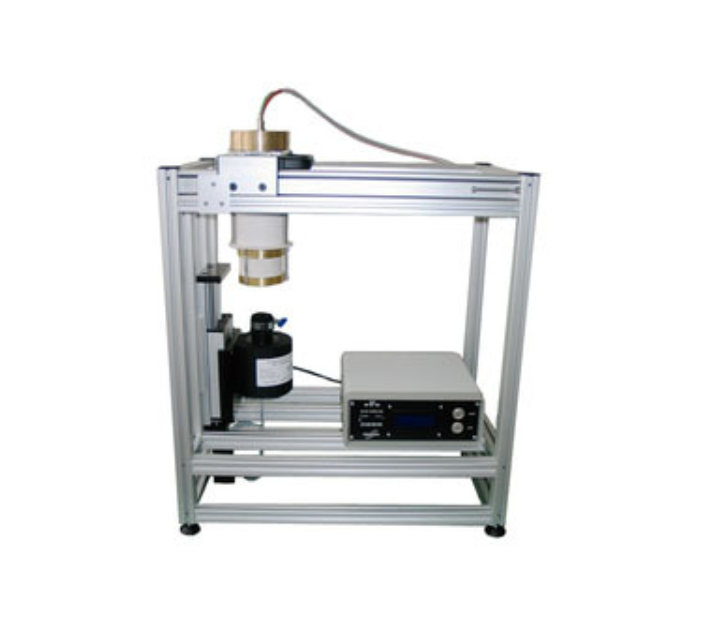
Principle of the Contact Heat Transfer Tester
The Contact Heat Transfer Tester adopts a contact-type high-temperature heat transfer testing principle to evaluate the thermal protection performance of protective materials. During testing, the specimen is placed in direct contact with a constant-temperature heating element under a controlled pressure mechanism, simulating the actual condition in which protective equipment is exposed to direct contact with high-temperature heat sources in fire environments.
Under stable contact pressure and constant high-temperature conditions, heat continuously transfers from the heating source through the contact surface into the interior of the test specimen. The equipment uses high-precision temperature sensors to monitor the temperature variation on the non-heated side of the specimen in real time and accurately records the critical time required for the overall temperature of the specimen to increase by 10°C.
By comparing the critical temperature rise time, the thermal insulation performance, heat transfer resistance, and high-temperature protection level of the material can be scientifically evaluated. A longer temperature rise time indicates stronger resistance to contact heat exposure and better thermal protective performance.
Through this testing method, the safety protection capability of various thermal protective materials can be quantitatively assessed, providing reliable test data and technical support for protective product quality inspection, performance classification, material selection, and formulation optimization.
Application Scenarios of the Contact Heat Transfer Tester
In the field of fire protection, the Contact Heat Transfer Tester is mainly used to evaluate the resistance of firefighting thermal protective materials, such as firefighter clothing, heat-resistant protective gloves, and other thermal protection fabrics, against high-temperature contact heat exposure.
The testing principle is clear and highly targeted. During testing, the material specimen is brought into contact with a heating element under specified contact conditions, including controlled contact force, contact area, and heating temperature. Through precise temperature sensing and timing systems, the equipment records the critical time required for the specimen temperature to rise by 10°C. This value is used to evaluate the thermal protective performance of the material.
A longer critical temperature rise time indicates better thermal insulation performance under high-temperature contact conditions, providing users with a longer safety protection period in hazardous environments.
Professional Performance and Standardized Testing Capability
The instrument delivers professional and reliable performance while strictly complying with relevant domestic and international testing standards, ensuring the standardization, accuracy, and recognition of test results.
Regarding key parameter control:
The heating element is manufactured from high-temperature-resistant materials and can reach a maximum temperature of 500°C, enabling simulation of different levels of high-temperature exposure conditions.
The contact force is precisely maintained at 49 N, while the contact area is controlled at 25.2 ± 0.05 cm², ensuring consistent and repeatable testing conditions.
The calorimeter, as the core measurement component, has a diameter of 25 mm and a temperature measurement resolution of ±0.1°C, allowing accurate detection of temperature variations.
The timer provides an accuracy of 0.1 s, ensuring precise measurement of the critical temperature rise time.
In addition, the servo motor controls the vertical movement of the calorimeter at a stable speed of 5 mm/s, enabling accurate contact process control and improving test stability and repeatability.
User-Friendly Operation and Structural Design
The Contact Heat Transfer Tester combines professional testing capability with practical usability.
The equipment is equipped with a touchscreen control interface, allowing convenient operation. Complex testing procedures can be initiated through a simple one-touch operation.
The heating element adopts a fixed-track parallel movement design, which not only facilitates sample installation but also effectively prevents operators from directly contacting high-temperature components, improving operational safety.
During testing, the touchscreen displays key information in real time, including:
Initial specimen temperature
Real-time temperature changes
Critical temperature rise time
This provides clear and intuitive data monitoring.
With compact dimensions of 45 cm × 50 cm × 65 cm and a weight of approximately 30 kg, the instrument can be flexibly installed in various environments, including laboratories and quality inspection workshops.
Application Value in Material Evaluation
The Contact Heat Transfer Tester provides quantitative evaluation methods for thermal protective material performance.
In the manufacturing process of firefighting protective materials, it can be used for factory quality inspection to ensure products meet safety requirements.
In the research and development of new materials, it provides reliable test data to support:
Material formulation improvement
Thermal protection optimization
Performance comparison analysis
In market supervision and quality control, it can serve as a professional third-party testing instrument to help regulate product quality standards.
By establishing clear evaluation criteria for thermal protection performance, the equipment not only promotes advancements in material research and manufacturing processes but also provides fundamental safety protection for personnel working in high-temperature environments.
Applications Beyond Fire Protection
In addition to firefighting applications, the Contact Heat Transfer Tester can also be used in other fields requiring evaluation of material heat transfer characteristics, including:
Performance testing of industrial heat dissipation materials
Evaluation of thermal insulation materials
Quality inspection of consumer products involving heat exposure
Research and development of heat-resistant protective materials
With its wide range of applications, reliable performance, and precise testing capability, the Contact Heat Transfer Tester is an essential professional instrument for evaluating thermal protection and heat transfer resistance across multiple industries.
Operating Procedure of the Contact Heat Transfer Tester
The Contact Heat Transfer Tester is mainly used to evaluate the ability of protective materials to resist high-temperature contact heat exposure. The core operating process includes sample installation and calibration → parameter setting → automatic contact → critical time recording, with the entire testing process completed automatically without manual data reading.
1. Testing Procedure
1. Preheating and Calibration
Connect the power supply, start the instrument and control software, and perform system self-inspection.
Use a standard copper plate or reference sample to calibrate the calorimeter sensor and heating element temperature, ensuring that the temperature measurement error remains within the allowable range and improving testing accuracy.
2. Sample Preparation and Installation
Cut the test material into the required size according to the testing standard and fix it evenly on the surface of the calorimeter probe.
The sample must be installed:
Flat and properly positioned
Free from air bubbles
Free from wrinkles or deformation
If a thermal conductive medium is required according to the specific testing standard, it should be applied evenly and all gaps or air pockets should be eliminated to ensure effective heat transfer.
3. Parameter Setting
Set the required test parameters through the control interface, including:
Target temperature of the heating element (typically adjustable from room temperature up to 500°C)
Contact load
Temperature rise evaluation threshold
The parameters should be configured according to the requirements of the relevant testing standard.
4. Test Execution
Start the automatic test program. The servo mechanism drives the calorimeter upward at a constant speed, causing the test specimen to make immediate contact with the high-temperature heating element.
Once contact is established, the system automatically begins timing and continuously monitors the temperature change of the specimen.
5. Test Completion and Cleaning
After the instrument automatically records the time required for the specimen temperature to rise by 10°C, the heating process stops and the system returns to its original position.
After testing:
Remove the specimen
Clean any residue from the heating element and sensor surfaces
Turn off the power supply
Proper cleaning helps maintain measurement accuracy and extend equipment service life.
2. Important Operating Precautions
1. Safety Protection
The heating element can reach extremely high temperatures. During sample installation, operators must use appropriate auxiliary tools or wait until the heating components cool down.
Direct contact with the heating area by hands is strictly prohibited to prevent burns or safety accidents.
2. Contact Consistency
The specimen must maintain close and uniform contact with the calorimeter probe.
The contact force must strictly comply with testing standards. Any gaps between the specimen and the probe may affect heat transfer efficiency and lead to inaccurate or invalid test results.
3. Environmental Requirements
Testing should be conducted in a stable indoor environment with:
No strong airflow
Stable temperature and humidity conditions
Air movement may affect heat dissipation and interfere with testing accuracy.
4. Maintenance Requirements
Regular maintenance should be performed to ensure reliable operation:
Clean dust accumulation on thermal insulation plates regularly
Check the aging condition of heating components
Do not start testing when foreign objects or contaminants are present on the heating tube
Proper maintenance ensures stable performance, accurate measurement results, and longer equipment service life.
Importance Analysis of the Contact Heat Transfer Tester
The Contact Heat Transfer Tester plays an irreplaceable role in the fields of materials science, safety protection, and industrial quality inspection. By simulating realistic high-temperature contact conditions, the instrument quantitatively evaluates the thermal protective performance of materials. Its core value is reflected in the following aspects:
1. A Critical Line of Defense for Protecting Human Life
In high-risk industries such as firefighting, metallurgy, and casting, workers are frequently exposed to the risk of direct contact with high-temperature objects.
The Contact Heat Transfer Tester is specifically designed to evaluate personal protective equipment such as firefighter clothing and thermal protective gloves. By measuring the time required for a material to reach a critical temperature under specified pressure and temperature conditions (known as the “critical time”), the instrument provides a direct evaluation of the material’s thermal insulation and heat buffering capability.
This indicator directly determines the available protection period when users accidentally encounter heat sources, serving as a critical technical safeguard for the lives and safety of frontline workers.
2. Promoting Material Development and Technological Innovation
For the research and development of advanced materials, the Contact Heat Transfer Tester provides an accurate performance feedback mechanism.
Through standardized testing procedures, researchers can compare the heat transfer characteristics of different:
Material formulations
Manufacturing processes
Structural designs
This enables targeted optimization of advanced thermal protective materials, such as:
Composite ceramic fibers
Flame-resistant fabrics
High-performance insulation materials
A data-driven research approach accelerates the development and upgrading of thermal protection technologies, improving the efficiency of transforming fundamental theories into practical applications.
3. Establishing Quality Control and Industry Standard Reference
The Contact Heat Transfer Tester strictly complies with relevant domestic and international testing standards, ensuring the accuracy, reliability, and international comparability of test results.
In market supervision and quality control, the instrument serves as an essential tool for third-party testing organizations to verify product compliance and effectively prevent substandard protective equipment from entering the market.
For manufacturers, it provides a standardized quality inspection method to ensure that every product delivered to customers meets required safety performance levels, helping maintain fair competition and healthy development within the industry.
4. Improving Testing Efficiency and Operational Safety
Modern Contact Heat Transfer Testers integrate automated control systems and high-precision sensing technologies, enabling automated operation throughout the entire process, including:
Sample installation
Contact positioning
Heat exposure testing
Data acquisition
Stable parameter control, such as:
Constant contact force
Accurate heating rate
Precise temperature monitoring
reduces human operation errors and ensures high repeatability and reliability of test results.
In addition, safety-focused structural designs, including heat-resistant protection features and one-touch operation interfaces, improve testing efficiency while significantly reducing risks to laboratory personnel. These advantages make the equipment suitable for large-scale quality inspection and industrial testing applications.
Conclusion
In summary, the Contact Heat Transfer Tester has broad application prospects in scientific research, industrial production, safety protection, and quality control fields.With continuous technological advancement and growing demand for high-performance thermal protective materials, this instrument will continue to play an important role by providing more accurate, efficient, and reliable testing solutions for research institutions and industrial manufacturers.For more detailed product information, technical specifications, or customized testing solutions, please feel free to contact us. We will be pleased to provide professional support and comprehensive product information.
Previous: Is there any real benefit to having male and female crash test dummies?
N e x t : the last page
