





What is an electrostatic decay tester?
2026/07/16
Share:

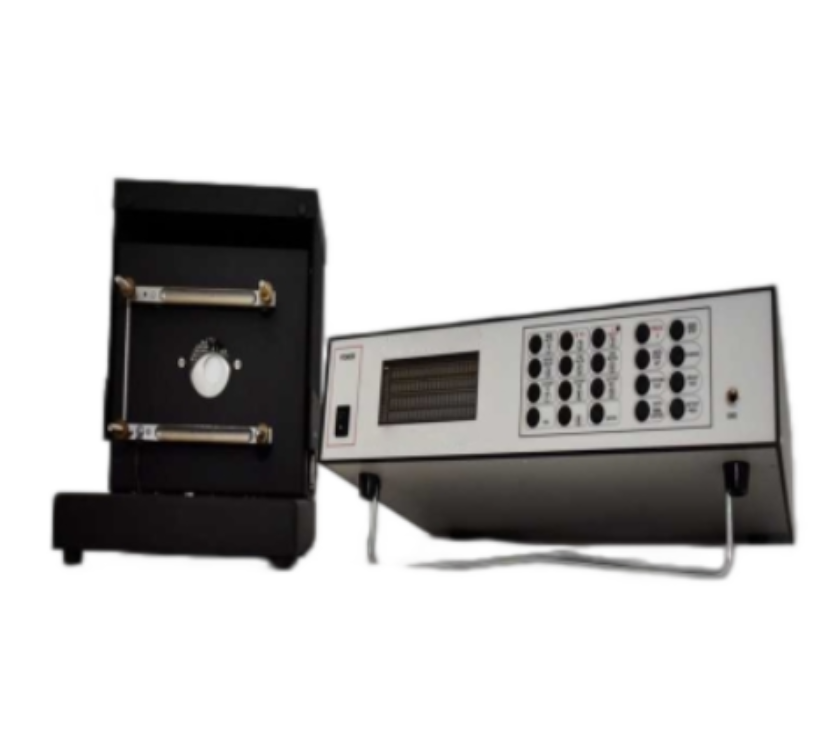
Why Static Decay Testing Has Become a Key Step in Electronics Manufacturing
In fields such as precision electronic assembly and medical consumables production, static charge accumulation may cause component breakdown or attract contaminants to materials. Traditional static electricity testing only measures instantaneous voltage, while static decay testing reveals more critical performance information:
Material Performance Verification:
The durability and effectiveness of anti-static materials can be evaluated through half-life data, which indicates the time required for the static charge to decay to half of its initial value.
Basis for Process Improvement:
By comparing decay curves from different production processes, manufacturers can identify weak points in static control and optimize manufacturing procedures.
Environmental Adaptability Evaluation:
The influence of temperature and humidity variations on static charge dissipation speed can be visualized and analyzed, helping evaluate material performance under different environmental conditions.
This type of testing is often used together with equipment such as electrostatic testers to establish a complete electrostatic management solution. However, its core value lies in transforming abstract static electricity risks into measurable and quantifiable improvement indicators.
Core Principle and Working Mechanism of Static Decay Testing
The Static Decay Tester mainly operates based on the principles of corona discharge or inductive charging. It simulates the process of static electricity accumulation during actual material use and monitors the charge dissipation characteristics of the material.
1. Establishment of High-Voltage Electric Field and Charging Process
The instrument generates a controllable high-voltage electric field (typically ±5 kV) through a corona discharge device or ring-shaped field electrode. The specimen is placed within the electric field, where static charges are induced and accumulated on its surface. The charging time can be preset to ensure that the specimen reaches a stable charged state.
This process simulates the electrostatic generation phenomenon that occurs when materials experience friction, separation, and other real-world operating conditions.
2. Monitoring of the Decay Process
After the charging process is completed, the high voltage is automatically disconnected. A high-precision, non-contact electrostatic voltage probe continuously monitors the potential changes on the specimen surface in real time.
The system records the time required for the voltage to decay from its peak value to a specific percentage level (such as 50% or 10% of the initial voltage).
3. Data Processing and Analysis
The built-in microprocessor automatically calculates key parameters and generates static decay curves. The main output indicators include:
Instantaneous peak voltage
Static half-life
Static decay time constant
The test data can be displayed on a touchscreen or exported for storage. The instrument supports two testing modes: time-based testing method and voltage-based testing method, providing flexible evaluation solutions for different material testing requirements.
Typical Industrial Application Scenarios and Solutions
The Static Decay Tester plays a critical role in multiple industrial fields, especially in applications where strict control of electrostatic effects is required:
Medical Protective Clothing Production
Medical textiles such as surgical gowns and isolation gowns need to prevent dust adsorption and microorganism attachment caused by static charge accumulation. By testing static decay performance, manufacturers can ensure that products maintain cleanliness and meet relevant medical standards.
Electronic Industry Cleanrooms
The electrostatic performance of anti-static workwear and packaging materials must be tested to prevent electrostatic discharge (ESD) from damaging sensitive electronic components. This helps maintain a safe and controlled production environment.
Industrial Filter Material Development
Filter materials are prone to generating static electricity due to friction with airflow. Testing their static decay characteristics can help optimize material selection, improve filtration efficiency, and reduce the risks associated with electrostatic accumulation.
Special Textile Research and Development
Special protective clothing such as firefighting suits and explosion-proof garments must provide both flame resistance and anti-static performance. Systematic testing ensures that materials remain safe and reliable under complex working conditions.
Plastic Film Processing
Packaging films can easily generate static electricity during high-speed production, causing issues such as film adhesion and printing defects. Static performance testing helps optimize manufacturing processes and improve product quality.
Comparison Between Static Decay Performance Tester and Other Technologies
Electrostatic testing technologies include various methods such as electrostatic voltage measurement, electrostatic current measurement, and electrostatic field distribution analysis. Compared with these technologies, the Static Decay Performance Tester has several distinct characteristics and advantages.
1. Difference from Electrostatic Voltage Measurement
Electrostatic voltage measurement mainly focuses on the instantaneous state of static charge and is suitable for quickly determining whether static electricity exists. In contrast, the Static Decay Performance Tester focuses on the static charge dissipation process and pays more attention to the performance of materials under electrostatic conditions.
This dynamic monitoring of electrostatic behavior helps provide a deeper understanding of the electrostatic properties of materials and offers more comprehensive evaluation results.
2. Difference from Electrostatic Field Distribution Analysis
Electrostatic field distribution analysis identifies areas where static electricity accumulates by detecting the distribution of electrostatic fields in space. Although this method provides an intuitive visualization of static conditions, it is difficult to quantitatively evaluate the charge dissipation speed.
The Static Decay Performance Tester, however, measures voltage changes during the decay process and provides quantitative indicators of decay rate, making it more suitable for the precise evaluation of material electrostatic performance.
3. Advantages and Disadvantages of Other Related Technologies
Some advanced electrostatic testing equipment may be equipped with multiple sensors to achieve multi-dimensional monitoring of electrostatic conditions. However, these systems usually have higher costs and more complex operation requirements.
Compared with these solutions, the Static Decay Performance Tester has advantages in terms of simplicity, practicality, and high testing accuracy, making it a commonly used testing tool for small and medium-sized enterprises as well as research and development institutions.
Selection Considerations and Technical Trends of Static Decay Testing
When selecting a Static Decay Tester, the following key factors should be taken into consideration:
Standardization and Compliance
Priority should be given to equipment that complies with international and domestic testing standards, ensuring the authority, reliability, and mutual recognition of test results.
Safety Design
The instrument should be equipped with safety features such as automatic high-voltage shutdown, automatic motor stop functions, and fully enclosed module structures to prevent personal injury or equipment damage caused by improper operation. An automatically opening and closing sealed cover structure can also improve operational convenience and safety.
Adaptability and Accuracy
The adaptability of the instrument to different material thicknesses and specimen sizes should be evaluated, as well as the stability of the voltage control module. High-precision timers and non-contact probes are essential components for ensuring accurate and reliable test data.
Data Traceability and Intelligence
Instruments equipped with data export, curve analysis, and report generation functions are more beneficial for quality control and research and development traceability. In the future, testers integrating intelligent sensing technology, automated operation, and big data analysis capabilities will become the mainstream, further improving testing efficiency and accuracy.
Conclusion
In summary, the Static Decay Tester serves as a bridge connecting the electrostatic properties of materials with practical application safety. With the continuous advancement of material science and the improvement of industrial standards, precise, efficient, and intelligent electrostatic testing technologies will play an increasingly important role in more industries, providing strong support for product quality improvement and safe production.We sincerely welcome your inquiries or direct contact with us, so that we can provide more detailed product information and technical support.
Previous: What Is a Small Solar Simulator and How Does It Work?
N e x t : the last page
