





Why Is Liquid Testing Important for Auto Wires?
2026/08/26
Share:

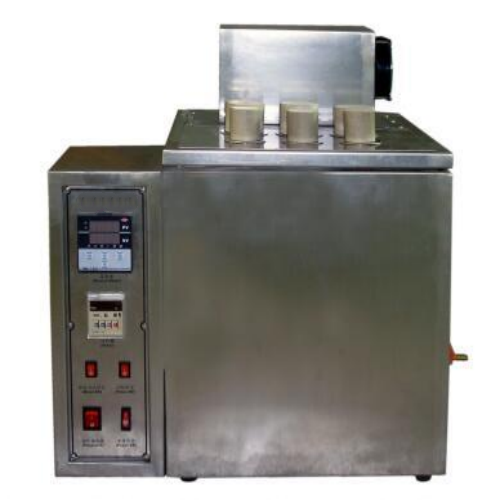
Working Principle and Test Media of the Automotive Wire Liquid Resistance Tester
1. Working Principle
The equipment generally consists of a heating system, temperature control system, stirring system, and test chamber. During the test, the wire specimen is fixed on a support fixture and completely immersed in a container filled with the specified test medium.
The equipment uses a heating system to raise the temperature of the test medium to the temperature required by the relevant standard (typically ranging from room temperature to 250°C). A motor-driven stirring system maintains uniform temperature distribution and fluid circulation, simulating a dynamic liquid exposure and corrosion environment.
After the test is completed, the specimen is evaluated according to the requirements of applicable testing standards to determine the resistance performance of the wire insulation material against liquid exposure.
2. Common Test Media
Depending on different testing purposes, the test media are mainly divided into two categories:
Chemical Liquid Media:
Including gasoline, diesel fuel, engine oil, alcohol, power steering fluid, automatic transmission fluid (ATF), engine coolant, and battery acid, etc. These tests are mainly used to verify the corrosion resistance and chemical stability of insulation materials when exposed to oils, fuels, and chemical solvents.
Aqueous Solution Media:
Including hot water and salt water. These tests are commonly used to evaluate the aging resistance of automotive wires under humid and high-salt environments, especially for wiring harnesses installed in vehicle chassis areas or exposed external routing locations.
Features of the Automotive Wire Liquid Resistance Tester
The Automotive Wire Liquid Resistance Tester is mainly used to evaluate the resistance performance of automotive and locomotive wires when exposed to various chemical liquid environments. Its key features include:
Strong Media Compatibility
The tester supports a wide range of test media, including gasoline, diesel fuel, engine oil, alcohol, power steering fluid, automatic transmission fluid, engine coolant, battery acid, hot water, and salt water. It can comprehensively simulate the complex chemical environments that automotive wiring systems may encounter during actual operation.
Wide and Precise Temperature Control Range
The equipment provides a wide temperature adjustment range and adopts an intelligent PID temperature control system with Pt100 temperature sensors, ensuring high temperature control accuracy and stable test conditions throughout the testing process.
Compliance with Multiple International Standards
The tester is designed in strict accordance with international and industry standards such as ISO, SAE, QC/T, and JASO, meeting the standardized testing requirements for the liquid resistance performance of automotive wires.
Professional and Durable Structural Design
The inner chamber and external housing are generally made of stainless steel, providing excellent corrosion resistance and durability. The equipment is equipped with a motor-driven stirring system to maintain uniform liquid temperature distribution. Some models are also available with corrosion-resistant ceramic tanks, automatic water filling pumps, and water level control valves to facilitate long-term testing operations.
Functional Expansion and Safety Protection
High-end models can be optionally equipped with a DC high-voltage stability tester to monitor leakage current in real time and generate test reports. The equipment also features comprehensive safety protection systems to ensure safe operation during tests involving high temperatures, high voltages, or corrosive environments.
Core Value of the Automotive Wire Liquid Resistance Tester
The Automotive Wire Liquid Resistance Tester, as a key testing device for evaluating the chemical stability of cable insulation materials, is becoming increasingly important. It is not only the “gatekeeper” of product quality control but also a critical technical tool for ensuring vehicle operating safety and extending service life.
1. Simulating Real Operating Conditions and Accurately Evaluating Material Resistance
During vehicle operation, wires inevitably come into contact with various liquid media. For example, wires inside the engine compartment may be exposed to engine oil, transmission fluid, and power steering fluid; chassis wiring harnesses may encounter road splash, salt water, or deicing agents; and wiring harnesses near new energy vehicle battery packs may face potential risks from electrolytes or coolants.When conventional insulation materials are exposed to these media for a long period, they may experience swelling, softening, cracking, or significant degradation of insulation performance. The Automotive Wire Liquid Resistance Tester can simulate these real-world conditions. By precisely controlling the test temperature and liquid medium, the equipment performs immersion tests on wire specimens.This standardized testing method enables quantitative evaluation of physical changes in insulation materials under specific liquid exposure conditions, ensuring scientific and reliable material selection.
2. Preventing Electrical Failures and Establishing a Safety Barrier
Insulation layer failure is one of the major causes of electrical short circuits, leakage, and even fire accidents. If the wire insulation layer swells or deteriorates due to insufficient liquid resistance, its dielectric strength will significantly decrease, potentially resulting in high-voltage breakdown or signal interference.This issue is especially critical in high-voltage systems of new energy vehicles, where insulation failure may lead to serious safety risks.Through strict testing procedures, the Liquid Resistance Tester can identify unqualified insulation materials at an early stage. For example, if significant volume changes, reduced hardness, or surface cracks appear on the wire insulation during testing, the material can be determined to have insufficient liquid resistance.This process effectively prevents large-scale quality issues caused by material defects and eliminates potential safety hazards caused by wire aging and corrosion during vehicle service life, providing reliable protection for vehicle occupants.
3. Supporting R&D Innovation and Improving Product Competitiveness
For automotive manufacturers and cable suppliers, the Liquid Resistance Tester is not only a quality inspection tool but also an important support instrument for research and development innovation.As automotive technologies continue to develop toward lightweight and compact designs, the performance requirements for wire insulation materials are becoming increasingly demanding. Engineers and researchers can use the tester to quickly compare the performance of different formulations and materials under various chemical media.By obtaining accurate test data, companies can optimize material formulations and develop new cable products with excellent properties such as high temperature resistance, oil resistance, and corrosion resistance.This not only helps meet increasingly stringent international certification requirements but also enhances product competitiveness in high-end markets and shortens the development cycle of new vehicle models.
Conclusion
Although the Automotive Wire Liquid Resistance Tester does not directly participate in vehicle manufacturing, its role in the quality control system is indispensable. Through scientific and rigorous testing methods, it verifies the long-term reliability of automotive wires under complex chemical environments.As the automotive industry continues its transformation toward electrification and intelligent technologies, strengthening liquid resistance testing is not only a necessary requirement for compliance with industry standards but also an important commitment to user safety.Only by strictly controlling material quality can automotive manufacturers ensure that every vehicle maintains a stable and reliable “neural network” throughout its entire service life.
Previous: What Makes an Automatic Wire Cutting Machine Essential?
N e x t : the last page
