





How to measure the softness of leather?
2026/08/27
Share:

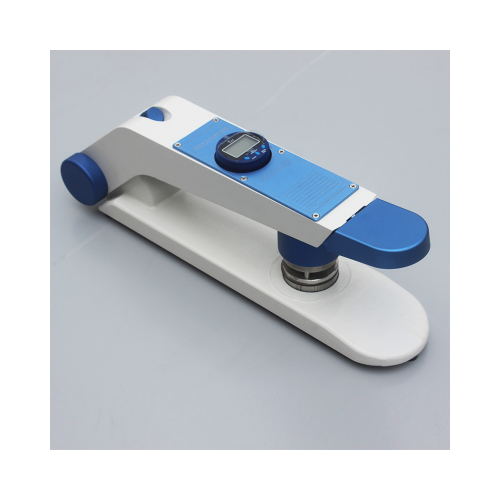
Technical Principle: Innovative Integration of Mechanics and Electronic Technology
The design of the Leather Softness Tester is based on the precise measurement of leather deformation characteristics. Its testing principles can be divided into two main categories:
1. Bending Deformation Measurement Method
A plate-shaped probe is used to press the leather specimen into a slit with a fixed width. The instrument records the vector sum of the bending resistance force and friction force of the specimen at a specified penetration depth.
The tester adopts high-precision sensors and optimized test lever ratios to ensure measurement accuracy within ±1%. A smaller measured value indicates that the leather has better softness.
2. Compression and Extension Measurement Method
A pneumatic regulating valve drives a probe with a constant load to press against the leather surface at a controlled speed. The penetration depth or extension displacement is recorded through a measuring gauge.
Both pointer-type and digital display modes are available for real-time data feedback. Some models are also equipped with thermal printers to automatically generate test reports containing parameters such as test time, ambient temperature, and humidity.
This type of design complies with international testing standards, ensuring the comparability and reliability of test results.
How to Use a Leather Softness Tester
Leather is widely used in industries such as clothing, footwear, luggage, and accessories. Its softness is one of the key indicators for evaluating product quality and practical performance. The Leather Softness Tester can accurately measure the softness of leather, providing essential data support for leather product manufacturing and quality control. The following section introduces the operating procedure of the Leather Softness Tester in detail.
1. Preparation Before Testing
Instrument Inspection
Before starting the test, a comprehensive inspection of the Leather Softness Tester should be performed. Check whether the instrument appearance is free from damage, confirm that all components are securely connected, and pay special attention to the connection between the test probe and the instrument to ensure stable and reliable operation.At the same time, check whether the display screen functions normally and whether the buttons respond correctly. If any abnormality is found, repair or replace the relevant components before testing to ensure accurate results.
Environmental Condition Confirmation
Leather softness testing has certain requirements for environmental conditions. Generally, the test environment should maintain stable temperature and humidity conditions. The temperature is usually controlled between 20°C and 25°C, while relative humidity should be maintained between 50% and 70%.An excessively dry or humid environment may change the physical properties of leather and affect test accuracy. The testing area should also avoid interference factors such as strong airflow and direct sunlight to maintain stable test conditions.
Sample Preparation
Select representative leather samples for testing. The samples should be flat, free from wrinkles and damage, and have dimensions that meet the requirements of the tester. Generally, the length and width of the sample should be larger than the diameter of the test probe to ensure complete contact between the probe and the leather surface during testing.If the leather sample has different front and back surfaces, the testing surface should be clearly identified and recorded. For batch testing, samples should be selected according to specified sampling procedures to ensure that the test results accurately represent the overall quality of the leather batch.
2. Instrument Calibration
Calibration with Standard Sample
To ensure testing accuracy, the Leather Softness Tester should be calibrated before use. A standard leather sample with a known softness value is usually used for calibration.Place the standard sample on the test platform, position the test probe vertically on the sample surface, and complete the calibration procedure according to the instrument operating instructions. During calibration, ensure that the probe is fully in contact with the sample surface and that the applied pressure remains stable.
After calibration, the instrument will display the calibration result. If the difference between the measured calibration value and the known softness value of the standard sample is within the allowable error range, the calibration is successful and testing can begin. If the deviation exceeds the allowable range, recalibration should be performed or the instrument should be checked for possible faults.
Zero Point Calibration
In addition to standard sample calibration, zero point calibration should also be performed. Lift the test probe so that it does not contact any object, then complete the zero calibration procedure according to the instrument instructions.Zero point calibration eliminates internal instrument errors and ensures that the display shows zero under no-load conditions. After calibration, confirm that the display value is zero. If it is not, repeat the zero calibration process.
3. Testing Procedure
Sample Placement
Place the prepared leather sample flat on the test platform and ensure that there are no foreign objects on the surface. Adjust the sample position so that the test probe can accurately press the required testing area.If the softness of the leather is not uniform, perform multiple tests at different positions to obtain more comprehensive test data.
Applying Pressure for Testing
Start the tester and allow the test probe to slowly move downward until it vertically contacts the leather sample surface. During contact, pressure should be applied gradually and evenly to avoid impact force.When the applied pressure reaches the preset value, the instrument automatically records the leather softness value and displays the result on the screen. Record the measured value accordingly. If multiple measurements are required for an average result, repeat the above procedure. Generally, 3–5 tests per sample are recommended.
Data Recording and Analysis
Record each measured softness value together with relevant information, including sample number, testing location, and test time, in the test record sheet.After testing, analyze the collected data by calculating statistical parameters such as the average value and standard deviation. These results can be used to evaluate the softness uniformity and overall quality of the leather sample, and determine whether the leather meets relevant standards or customer requirements.
4. Maintenance After Testing
After completing the test, clean the test platform and probe promptly to remove leather fragments and dust, keeping the instrument clean. Raise the test probe to a safe position and switch off the power supply.Regular maintenance should be carried out, including checking probe wear, inspecting component connections, and replacing or repairing parts when necessary. Proper maintenance helps extend the service life of the instrument and ensures long-term testing accuracy.
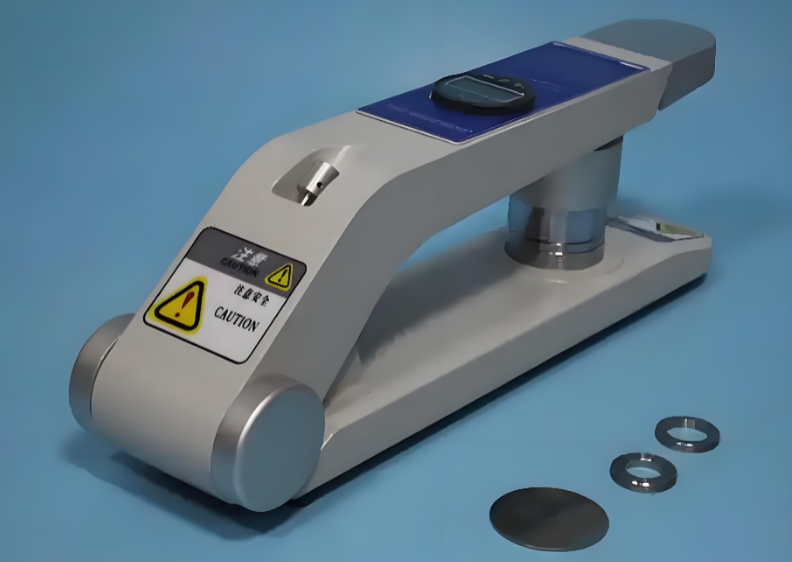
Importance of Leather Softness Tester in the Industry
The Leather Softness Tester plays an irreplaceable role in the leather industry and related manufacturing fields. Its importance is mainly reflected in the following key aspects:
1. Objective Quantification of Tactile Experience
Leather softness is a critical indicator for evaluating product quality, hand feel, and wearing comfort, directly influencing consumer purchasing decisions and user experience. Traditional manual evaluation methods based on touch are highly affected by subjective judgment, environmental conditions, and operator experience, resulting in poor consistency.
The Leather Softness Tester uses standardized physical testing methods to transform the abstract concept of “hand feel” into measurable, repeatable, and objective data. This eliminates human evaluation bias and provides reliable technical support for product quality assessment.
2. Ensuring Product Quality Consistency and Stability
In large-scale production, softness variations may exist between different batches or even different areas of the same leather sheet. The instrument can accurately evaluate the uniformity of leather softness and hardness, helping manufacturers monitor the impact of production processes on finished product performance.
Through real-time data feedback, manufacturers can adjust process parameters promptly, ensure products meet design requirements, reduce defective rates, and improve brand reputation.
3. Meeting International Standards and Trade Compliance Requirements
Modern leather trade and high-end manufacturing processes strictly follow international and industry standards. The Leather Softness Tester is an essential instrument for implementing these standards, and its test results provide reliable and widely recognized evaluation data.
During import and export trade, third-party inspection, and supply chain quality acceptance, professional test reports generated by this instrument serve as important technical evidence for proving product compliance and resolving quality disputes.
4. Optimizing Product Development and Material Selection
Different application fields, such as footwear, garments, furniture, and automotive interiors, have different requirements for leather softness. For example, automotive seats require a balance between support and comfort, while glove leather requires excellent flexibility and softness.
R&D teams can use the instrument to compare softness data under different raw materials, additives, and processing methods. This enables scientific selection of optimal formulations, balancing physical performance and production costs, and developing high-value-added leather products that better meet specific market demands.
Conclusion
In summary, the Leather Softness Tester is not only a key tool for quality control but also a bridge connecting manufacturing processes, product performance, and market requirements. It plays an important role in improving the scientific management level of the leather industry, enhancing product quality, and strengthening market competitiveness.
Previous: What Can We Learn from Large-Scale Fire Testing?
N e x t : the last page
