





Why Is Gas Hazard Characteristics Testing Important for Chemical Safety?
2026/09/03
Share:

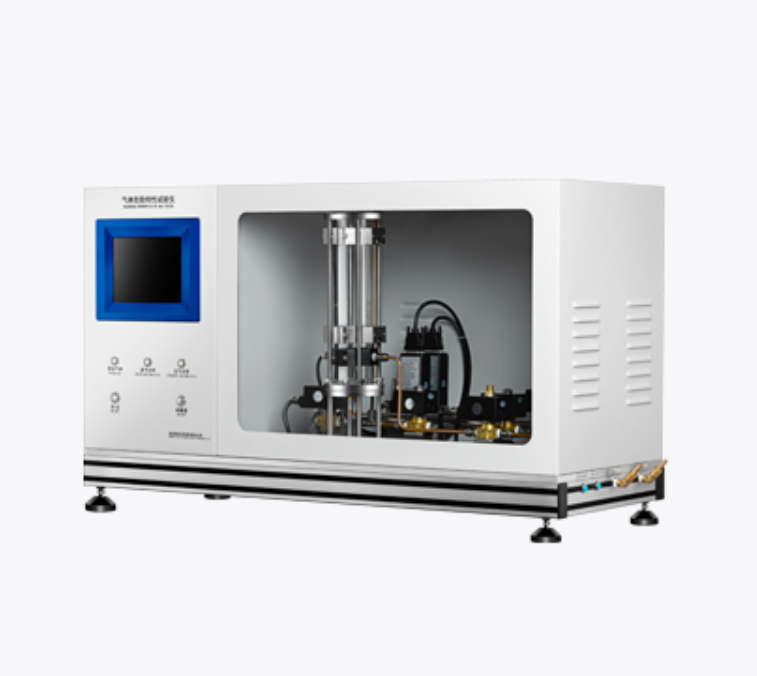
Working Principle of the Gas Hazard Characteristics Tester
The Gas Hazard Characteristics Tester is an automated instrument used to determine the combustion characteristics and flammable concentration range of pure combustible gases or gas mixtures in air. Its core function is to accurately determine whether a gas is flammable and provide the corresponding burning rate value.
The instrument operates based on a standardized testing procedure. A dual-channel digital flow meter is used to precisely mix the test gas with air, with a flow control accuracy of up to ±1% FS. The mixed gas then enters the reaction tube, where the reaction is initiated by an electric spark ignition system. The instrument is equipped with a high-precision photosensitive sensor and a thermocouple to monitor changes in light intensity and temperature inside the reaction tube in real time. Once a flash explosion or combustion phenomenon is detected, the sensors capture the signal within milliseconds, automatically determine the flammability of the gas, and calculate the burning rate. The entire process is controlled by an embedded processor, enabling fully automated operation without the need for continuous operator supervision.
Functions of the Gas Hazard Characteristics Tester
The Gas Hazard Characteristics Tester offers the following key functional features due to its excellent performance:
First, the instrument uses a high-resolution thermocouple with a resolution of up to 0.1°C. This enables it to detect subtle temperature changes in gases within an extremely short period, such as under extreme conditions involving flash explosions, ensuring accurate signal detection.
Second, the dual-channel digital flow meter provides precise flow control. This design enables highly accurate control of gas flow and precise mixing of the test gas with air, ensuring the reliability of test results.
Finally, the human-machine interface is designed for ease of use. The tester's software supports remote monitoring, allowing users to view the operating status of the equipment in real time via a network connection and conveniently transfer test data, significantly improving work efficiency and the convenience of data management.
Why Is It Necessary to Test the Hazardous Characteristics of Gases
As indispensable substances in industrial production, daily life, and scientific research, gases have complex and diverse physical and chemical properties. Testing the hazardous characteristics of gases—including their flammability, toxicity, corrosiveness, and asphyxiation hazards—is an essential means of scientifically evaluating and monitoring key safety indicators. It plays a critical role in protecting human life, safeguarding property, protecting the ecological environment, and ensuring regulatory compliance. This process is not merely a technical requirement but also a fundamental component of modern safety management systems.
I. Preventing Fires and Explosions and Protecting Life and Property
Flammability is one of the major hazardous characteristics of gases. Many industrial gases, such as methane, hydrogen, and liquefied petroleum gas, are highly flammable and potentially explosive. When these gases reach a certain concentration range in air, known as the explosive limits, they can undergo intense combustion or even explosions when exposed to an open flame, high temperatures, or electrostatic sparks.
Testing the combustion characteristics of gases can determine their lower and upper explosive limits. By continuously monitoring the concentration of combustible gases in the environment, the system can issue an alarm and initiate measures such as ventilation or power shutdown once the concentration approaches a hazardous threshold. This proactive risk warning mechanism can effectively prevent catastrophic accidents caused by gas leaks and reduce potential casualties and property losses. In high-risk sectors such as petrochemicals, underground coal mines, and natural gas pipelines, combustible gas detection serves as the first line of defense for production safety.
II. Preventing Poisoning and Health Hazards and Protecting Occupational Health
Gas toxicity is another critical hazardous characteristic. Toxic gases such as carbon monoxide, hydrogen sulfide, chlorine, and ammonia can cause irreversible damage to the respiratory system, nervous system, and internal organs even after prolonged exposure at low concentrations. At high concentrations, they may cause acute poisoning or even rapid death.
Testing the toxic characteristics of gases is intended to accurately identify the types and concentration levels of toxic and hazardous gases in working environments. In accordance with applicable standards, regular testing and continuous monitoring can be used to assess occupational health risks. This not only helps enterprises implement effective engineering controls, such as installing exhaust and purification systems and improving production processes, but also guides employees in correctly using personal protective equipment, thereby minimizing occupational health risks and protecting workers' lives and health.
III. Preventing Equipment Corrosion and Material Damage and Extending Service Life
Some gases are highly corrosive, including acidic gases such as sulfur dioxide, hydrogen chloride, and hydrogen fluoride, as well as alkaline gases such as ammonia. These gases can not only cause chemical burns to human skin, mucous membranes, and respiratory tract but can also severely corrode metal pipelines, instruments, equipment, and building structures.
Testing the corrosivity of gases helps determine their corrosion rates and mechanisms when interacting with specific materials. Based on the test results, engineers can select corrosion-resistant materials for equipment and pipelines or adopt technical measures such as protective coatings and cathodic protection. This can prevent secondary safety accidents caused by equipment corrosion and leakage, significantly extend the service life of infrastructure, reduce maintenance and replacement costs, and ensure the long-term stable operation of production systems.
IV. Preventing Oxygen Deficiency and Oxygen-Enriched Hazards and Maintaining Environmental Safety
In addition to the characteristics mentioned above, abnormal oxygen concentration is also an important gas-related hazard. During operations in confined spaces, such as storage tanks, sewers, and tunnels, oxygen levels may become excessively low due to microbial fermentation, oxidation reactions, or displacement by inert gases, resulting in an asphyxiation hazard. Conversely, excessively high oxygen concentrations can increase the flammability of materials and may even cause oxygen toxicity.
Testing the oxygen concentration of an environment is an essential procedure before entering a confined space for work. Maintaining oxygen concentrations within a safe range is a fundamental condition for preventing asphyxiation, fires, and explosions. This testing procedure is particularly important in municipal maintenance, ship inspection and repair, underground engineering, and other applications.
V. Meeting Legal and Regulatory Requirements and Fulfilling Social Responsibility
As governments place increasing emphasis on production safety and environmental protection, a series of laws, regulations, standards, and specifications have established stringent requirements for gas emissions and working environments.
Testing the hazardous characteristics of gases is an essential part of regulatory compliance for enterprises. Through standardized testing and data recording, enterprises can demonstrate that their production processes comply with applicable safety and environmental protection requirements, helping to avoid legal penalties and financial losses resulting from non-compliant emissions or inadequate safety management. At the same time, it reflects an enterprise's commitment to social responsibility and contributes to maintaining a positive corporate image and promoting sustainable development.
In summary, testing the hazardous characteristics of gases is not merely a simple technical procedure. It is a critical part of the entire process of risk assessment, accident prevention, health protection, equipment maintenance, and regulatory compliance. Only by comprehensively and accurately understanding the hazardous characteristics of gases can a solid safety barrier be established and a harmonious balance between people and the environment be achieved.
Previous: Why Is Gas Oxidizing Properties Testing Important for Chemical Safety?
N e x t : What Can a Cleveland Open Cup Flash Point Tester Be Used For?
